
Coffee Knowledge
Latest articles, industry insights and brewing guides
Ice Drip vs Iced Coffee: What’s the Real Difference?
True ice drip coffee ferments for over 40 hours, producing a unique aroma and cleaner taste than regular iced coffee. Here’s how to tell them apart.

Best Brew Methods for Different Coffee Beans
Find out which brewing methods—French press, pour-over, or siphon—work best for different types of coffee beans based on roast level and flavor profile.

How Acidity and Sweetness Differ in Pour-Over vs French Press Coffee
Pour-over highlights more acidity, while French press extracts more sweetness. Learn why and how each method affects flavor balance.
Clean Cup vs. Clarity in Pour-Over vs. French Press
Pour-over isn't always cleaner than French press. True cleanliness means balanced flavor with minimal off-notes—here’s what really matters.
Pour-Over vs French Press: Extraction Basics Compared
How grind size, brew time, and water ratio shape flavor in pour-over and French press coffee. Practical insights for everyday brewing.
The Basic Science Behind Great Pour-Over Coffee
Learn what makes pour-over coffee taste good — from water flow and temperature to grind size and roast level.
Pour-Over Coffee: The Correct Extraction Principle
Learn why your pour-over must slow down over time—starting fast risks over-extraction and bad flavors. Here’s the science behind smooth brews.
How Grind Size and Water Flow Control Your Pour-Over Coffee
Grind size, water flow, and agitation dictate your pour-over’s flavor. Learn how to manage these variables for consistent, balanced extractions.
Under-Extracted vs Over-Extracted Pour-Over Coffee Explained
Learn what causes under-extracted or over-extracted pour-over coffee with a simple experiment showing how water amount affects extraction quality.
How Pour-Over Coffee Extraction Actually Works
Learn why extraction order matters: aromatic compounds dissolve first, flaws later. Here’s how to pull out the best and avoid the worst.
How to Steam Milk and Pour Latte Art Basics
Mastering milk steaming is the key to great latte art. Learn the ideal temperature range and technique steps to create smooth microfoam.

How to Make Mocha, Latte Art, and Espresso with a Coffee Machine
Learn how to make classic mocha coffee, pull espresso shots, steam milk, and create latte art using a standard coffee machine — with ratios and steps.
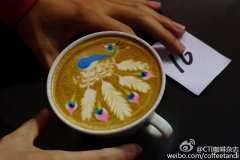
How to Make Fine Milk Foam with Any Coffee Machine
You don’t need a commercial machine to get silky milk foam. With the right steam pressure and technique, even home setups can produce fine microfoam.
How to Froth Milk with a DK Coffee Machine
Learn how to create microfoam for cappuccinos using a DK-2075A machine: steam 170–190ml whole milk to double volume at 60–71°C.
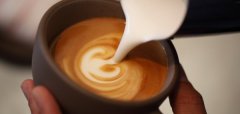
Why Your Semi-Auto Coffee Machine Foam Isn’t Silky
Discover the top reasons your home espresso machine produces big bubbles instead of microfoam, and how to fix them for latte art.

How to Steam Milk for Latte Art: 6 Key Techniques
Learn the essential steps to steam perfect milk for silky microfoam and clean latte art, including milk type, pitcher levels, and steam wand distance.
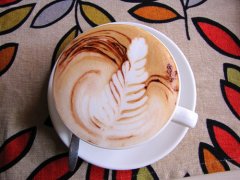
How to Froth Milk for Espresso at Home
Learn how to make smooth microfoam for espresso drinks using a manual milk frother, the right milk temp, and proper technique.

Medium-Dark Espresso Blend with Brazil and Colombia Beans
A medium-dark espresso blend from Brazil and Colombia offers nutty, sweet milk compatibility with balanced crema and mild acidity.

Latte Art: Free Pour vs Etching Techniques Explained
Latte art comes in two main types: free pour (mainstream) and etching (more complex but not used in competitions). Learn how both work.
Latte Art: Free Pour vs Etching Explained
Latte art comes in two main styles: free pour and etching. Free pour is the mainstream method where designs are made during milk pouring.