
Coffee Knowledge
Latest articles, industry insights and brewing guides

Papua New Guinea Coffee: Flavor & Processing Explained
Explore the bright, fruity flavors of PNG coffee from Chateau Cimere Estate, a high-altitude washed coffee with notes similar to South American beans.

Arabica, Robusta, and Liberica: What Makes Each Coffee Species Unique?
Discover the key differences between Arabica, Robusta, and Liberica coffee species—origins, flavors, growing conditions, and global production shares.
Sumatran Gayo Mandheling: Flavor, Processing & Price Guide
Learn how Sumatran Gayo Mandheling coffee gets its bold body and low acid, from 1,110–1,300m altitude processing to unique semi-washed steps.

Colombian Coffee Varieties and the Wine Process Explained
Learn how Colombian coffee growers produce distinctive beans using wine-like fermentation and why altitude defines their unique flavors.

Espresso Blend with 10% Robusta for Rich Crema
A commercial espresso blend with 10% Robusta boosts crema and delivers smooth, bold flavor ideal for milk drinks and syrup pairings.
How Thick Should Coffee Crema Be for Latte Art?
Learn the ideal crema thickness for latte art, how to steam milk properly, and why your foam fails — with FrontStreet Coffee’s expert picks.
How to Steam Milk and Pour Latte Art
Learn how to steam milk to 55–60°C, pour a 3mm crema-topped espresso, and combine both for stable latte art with a smooth microfoam.

When Did Milk Foam Coffee Become Popular in China
Espresso blends with 10% Robusta deliver rich crema and smooth bitterness, ideal for latte art and flavored syrups in Chinese coffee shops.

How to Make Heart-Shaped Latte Art Using a Sieve Template
Learn two simple sieve-based methods to create fun latte art patterns like hearts and letters with cocoa or sugar powder.

Macchiato vs Cappuccino vs Latte: How to Drink Espresso Blends
Macchiato is a third the size of a cappuccino, topped only with foam—no milk—so espresso flavor stays sharp. Here’s how to drink it right.
How to Make and Drink a Macchiato Espresso with Milk Foam
Learn how to properly steam milk foam for a macchiato, the correct way to drink it, and why it’s different from a cappuccino.

How to Tamp Espresso for Consistent Extraction
Learn how to tamp espresso correctly—both flat and firm—for balanced pressure, even extraction, and better crema with every shot.

How to Make Perfect Milk Foam for Espresso Drinks
Learn how to steam and texture milk foam manually with a whisk for lattes and cappuccinos, including ideal temperatures and techniques.
How to Make Great Milk Foam for Espresso Drinks
Learn how to steam and texture milk properly using a manual milk frother, with ideal temperatures and techniques for latte art-quality foam.

How to Steam Milk for Latte Art: Temperature, Fat, and Technique
Learn how to steam milk to the perfect temperature and texture for latte art, with exact steps for microfoam and fat content.

What Happens Inside a Coffee Bean During Roasting?
Roasting transforms green coffee beans through chemical reactions that create aroma, acidity, and oils. Here’s what really changes inside.
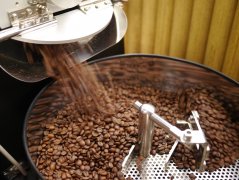
Understanding Light, Medium, and Dark Roasts in Specialty Coffee
Learn how light, medium, and dark roasts affect coffee flavor. This guide breaks down the 8 roast stages and explains which level suits your taste.

The Principles of Coffee Roasting Explained
Learn how proper coffee roasting brings out 80% of a bean’s flavor through even heat application and controlled development.

Pacific Coffee Roast Levels Explained by Flavor
Learn how Pacific-region coffee roasters classify roast levels from Light to Italian, and what flavors develop at each stage.
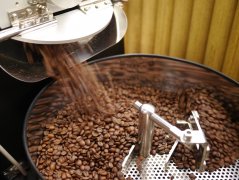
What Is Low-Temperature Roasting? Medium vs Dark Coffee Roast Differences
Learn how low-temperature, slow roasting affects coffee flavor compared to fast, hot roasting. Discover the key differences between medium and dark roasts.