
Coffee Bean
Latest articles, industry insights and brewing guides

What Is Brazilian Pulped Natural Coffee Processing?
Brazil’s pulped natural method boosts coffee quality by removing fruit pulp but keeping mucilage—here’s how it works and why it matters.
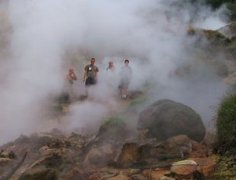
Salvadoran Coffee Processed with Natural Hot Spring Water
Salvadoran coffee farm uses 32–34°C mineral-rich hot spring water to wash high-altitude Pacamara beans, enhancing sweetness naturally.
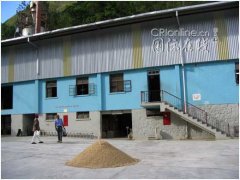
What Makes Jamaican Blue Mountain Coffee So Special?
Learn why Jamaican Blue Mountain coffee is world-renowned, from its strict production rules to its limited annual output of just 170 tonnes.
What Makes Jamaican Blue Mountain Coffee So Special?
Discover why Jamaica Blue Mountain coffee is globally prized, from its strict production limits to unique growing conditions atop the Blue Mountains.
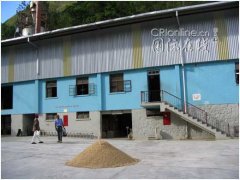
Inside Jamaica’s Blue Mountain Coffee Processing
Discover why Jamaican Blue Mountain coffee is so rare and revered, from its high-altitude growing conditions to strict government certification.
How Natural Process Creates Coffee’s Bold Body
Natural (sun-dried) coffee processing develops full body, sweet fruit tones, and bold flavors. Here’s how it works step by step.
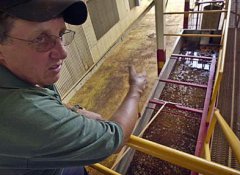
How Washed Coffee Processing Creates Clean, Bright Flavors
Washed coffee processing removes fruit pulp and mucilage to produce bright, acidic, and clean-tasting beans. Here's how the 7-step method works.
Using Vibrating Screens to Sort Coffee and Peanut Beans
Yes, vibrating screens can separate coffee and peanut beans. Learn how to choose mesh size, equipment, and optimize sorting for accuracy.
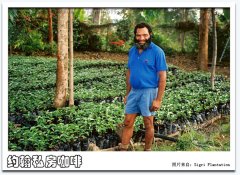
How Sigri Estate Makes Washed PNG Coffee
Learn how Sigri Plantation in Papua New Guinea produces its clean, sweet washed coffee through a traditional 72-hour fermentation and sun-drying process.
How Coffee Beans Are Processed: From Cherry to Green Bean
Explore the four key steps of green coffee processing—pulping, fermentation, drying, and roasting—that shape a coffee bean’s flavor profile.
Why Coffee Bean Size and Hand Sorting Matter in Roasting
Uneven bean size and defects ruin roast consistency. Here’s why sorting by size, color, and shape—and removing flaws—is essential for quality extraction.
How to Tell If Green Coffee Beans Are Fresh
Learn how to assess the freshness of green coffee beans by color, moisture, and aroma — essential steps before roasting.
How Water Minerals Affect Your Coffee's Flavor
Discover how minerals like magnesium, lead, and zinc in your brewing water alter coffee taste, color, and mouthfeel—plus which water to use.
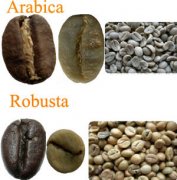
What Is Speciality Robusta Coffee?
Discover how high-quality Robusta beans, like India’s 'Kappi Royale', challenge stereotypes with rich, clean flavours and high crema potential.

What Makes Nicaraguan Coffee Beans So Good?
Nicaraguan coffee offers balanced acidity, floral aroma, and wine-like complexity. Grown in highlands with volcanic soil, it’s often compared to Kenyan AA.
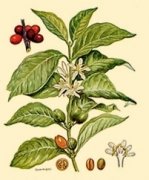
The Four Main Coffee Species Explained
Learn about the four commercial coffee species—Arabica, Robusta, Liberica, and Excelsa—and how they differ in taste, growing conditions, and global production.
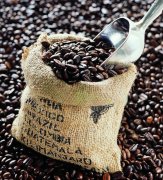
10 Must-Have Traits of Specialty Coffee Beans
Discover the 10 essential criteria that define high-quality specialty coffee beans, from varietal to moisture content.
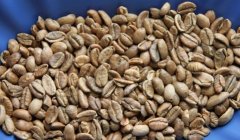
Hainan-Grown Liberica Coffee Beans Explained
Learn what makes Hainan-grown Liberica coffee unique—from tree size to fruit traits—with facts on origin, appearance, and cultivation.
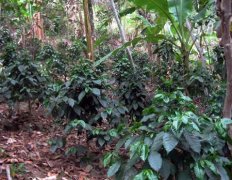
How Long Does It Take to Grow Coffee Beans?
From planting to harvest, it takes 3–5 years for a coffee tree to yield fruit. Peak production occurs between years 6–10, with full maturity at 15–20 years.
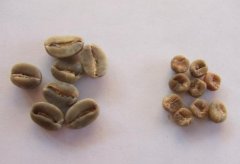
What Is Maui Mokka Coffee? The Rare Hawaiian Variety Explained
Learn about the rare Maui Mokka coffee variety: its origins, appearance, disease susceptibility, and unique cultivation in Hawaii and Brazil.