
Coffee Bean
Latest articles, industry insights and brewing guides
What Makes Peruvian Coffee Unique in South America?
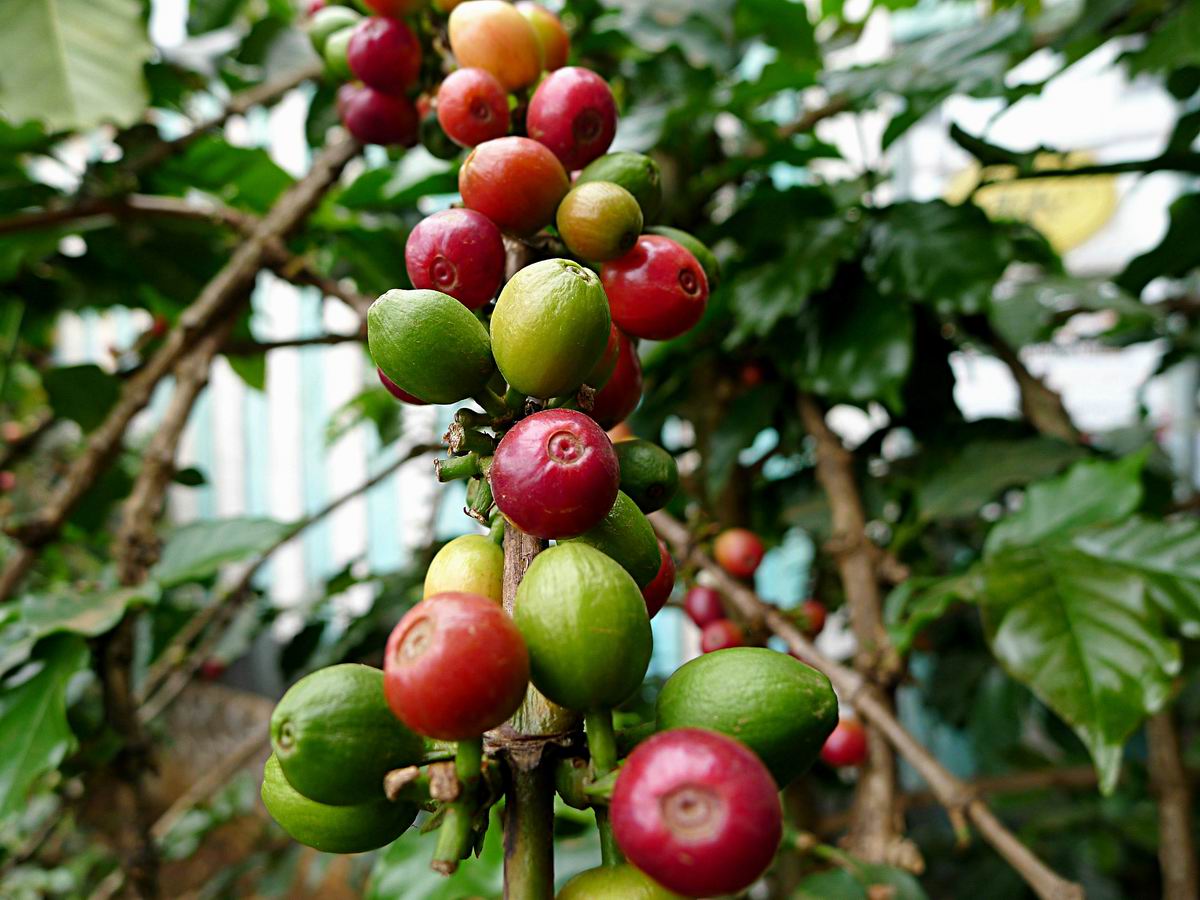
Peruvian coffee offers balanced acidity and smooth body, often used in blends. Learn why it’s gaining global recognition.
What Makes Indonesian Coffee Unique?
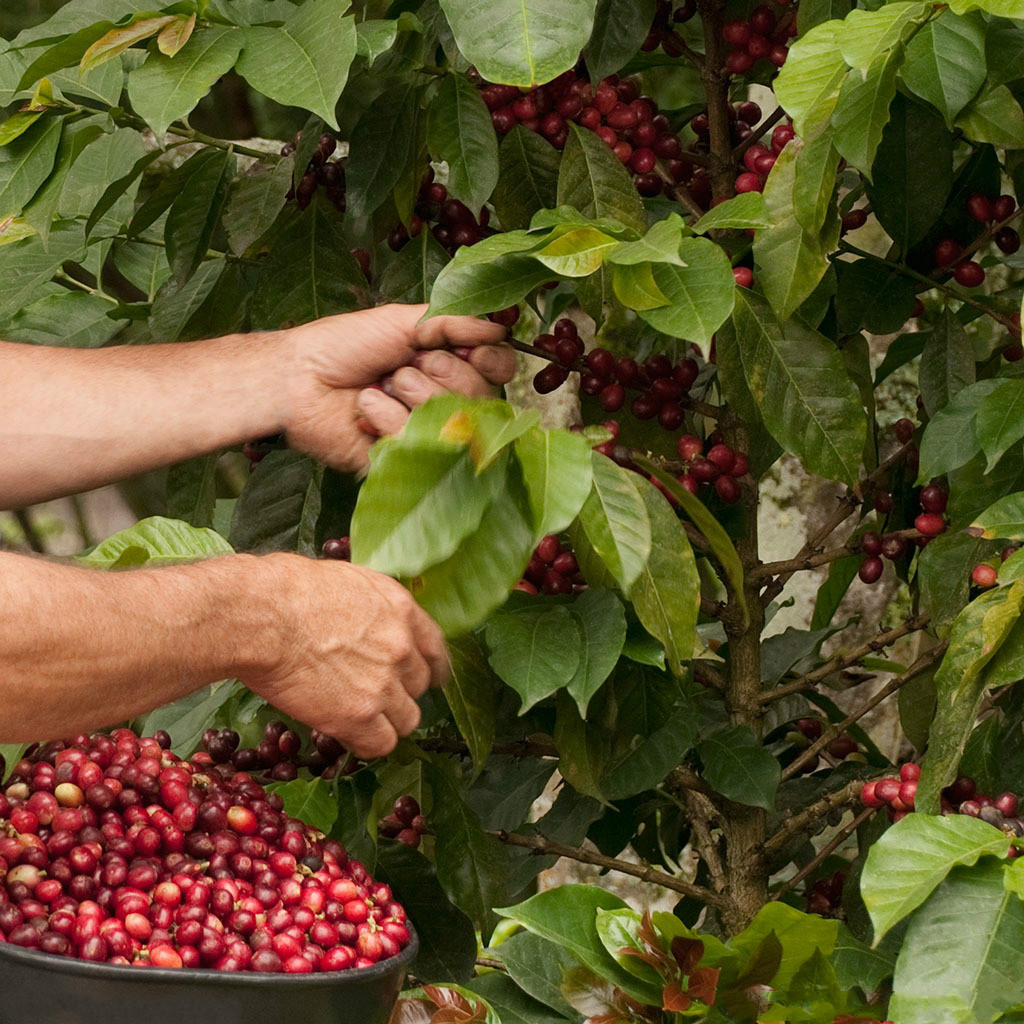
Indonesia produces mostly Robusta, but its 10–15% Arabica includes Mandheling, known for bold body and wet-hulled processing.
Where Sulawesi Coffee Comes From: Indonesia’s Toraja Region
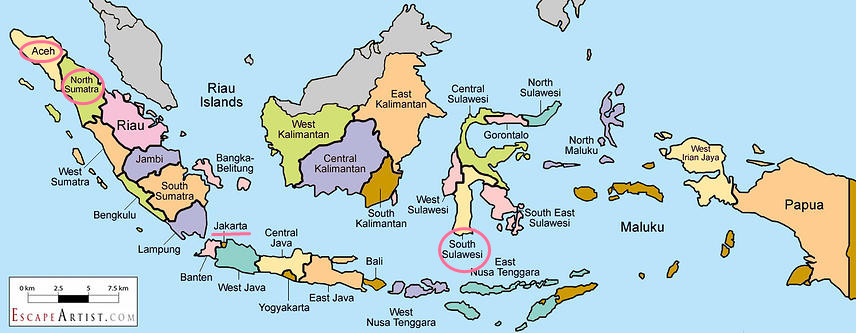
Sulawesi coffee mainly comes from Tana Toraja in South Sulawesi. Learn where it's grown, how it's processed, and why it stands out.
Java Coffee: Indonesia’s Historic Coffee Region
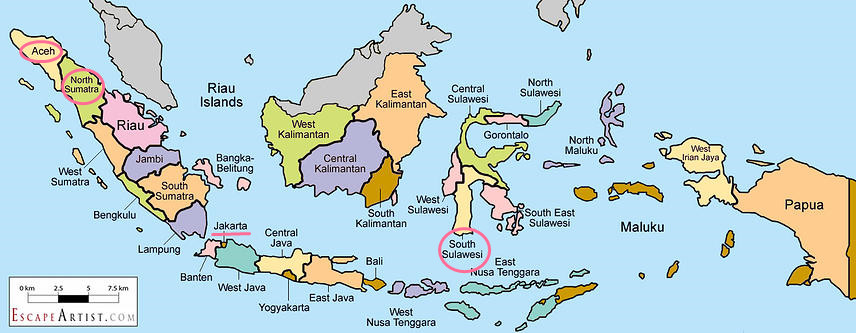
Java produces around 10% of Indonesia’s coffee, mostly from five large estates. Its famed washed-process beans include aged and monsooned lots.
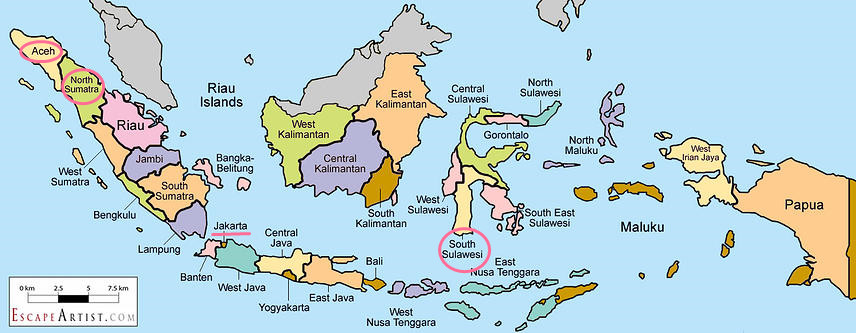
Sumatra Coffee: Where Indonesia’s Best Beans Grow
Sumatra produces Indonesia’s richest Arabica, especially Mandheling, Lintong, and Gayo. Discover its unique wet-hulled processing and key regions.
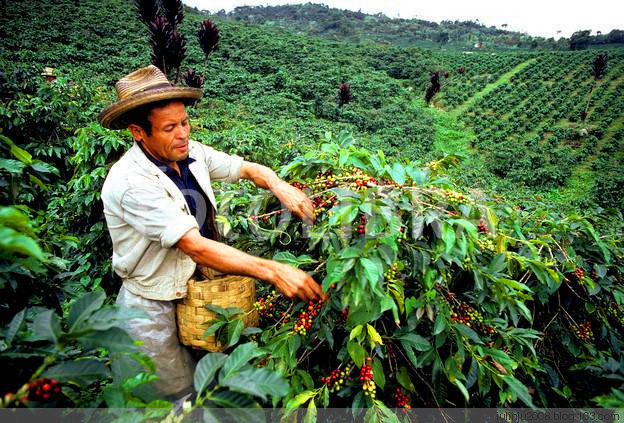
What Makes Costa Rican Coffee Unique? Bean Types & Flavor Profile
Explore Costa Rica’s high-altitude Arabica beans, their strict grading system, and why 'SHB' beans grown over 1500m deliver sweet, bright cups.

Costa Rican Coffee History and Key Origins Explained
Learn the 200-year history of Costa Rican coffee, its top growing regions like Tarrazú, and why high-altitude beans dominate global specialty markets.
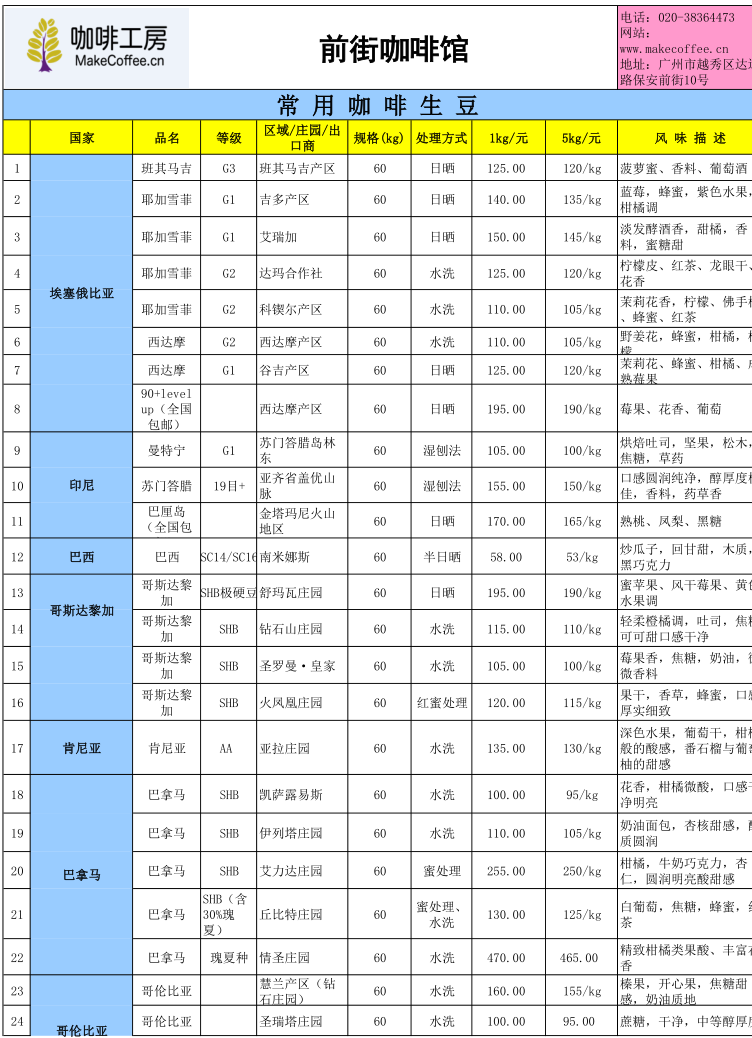
March 2016 China Coffee Bean Pricing Report
Find the latest coffee bean prices from March 2016 in China, including single origins and blends from major roasters like FrontStreet Coffee.
What Is Specialty Coffee? Key Traits and Flavors Explained
Learn what defines specialty coffee: rare beans grown in ideal conditions, strict grading, and exceptional cup qualities like acidity, body, and flavor balance.

What Is Mocha Yemeni Coffee and Why Does It Taste Unique?
Discover the origins and unique flavor profile of Mocha Yemeni coffee, once the world’s primary coffee export and still prized today.
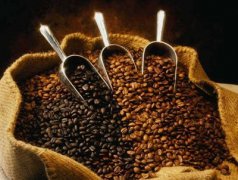
Blend vs Single Origin Coffee Beans: What’s the Difference?
Learn why coffee blends exist, how they differ from single origins, and when each type is used — with insights from specialty roasting practice.
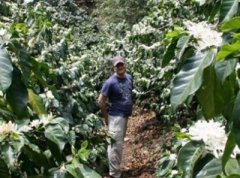
Ecuador’s Unique Specialty Coffee: High-Altitude Flavors & Varieties
Learn why Ecuador grows some of the highest-altitude Arabica coffee in the world, and discover its distinctive Galapagos and Gigante beans.
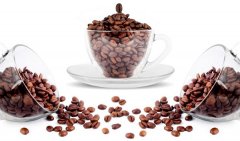
What Are Peaberry Coffee Beans and How Are They Different?
Peaberry coffee beans form in about 5–10% of coffee cherries due to a single fertilized ovule. Smaller and rounder than regular beans, they often have intense acidity.
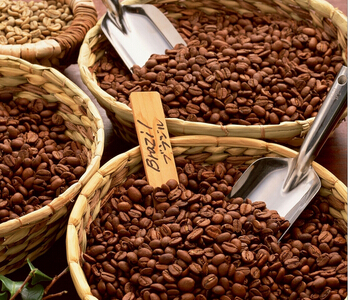
What Is Certified Organic Coffee?
Organic coffee is grown without synthetic chemicals, but only a third-party-certified product qualifies. Here’s how it’s made and why it matters.
Indonesia's Top 3 Coffee Growing Regions
Explore Indonesia’s three key coffee regions—Sumatra, Java, and Sulawesi—and learn what makes their beans unique.
How to Store Freshly Roasted Coffee Beans Properly
Keep your coffee beans fresh longer by avoiding moisture, oxygen, light, and heat. Learn the best storage methods and shelf life tips here.
Costa Rica Caturra Washed from Finca Ponte
This Costa Rican Caturra from Finca Ponte is medium-dark roasted, washed processed, with sweet honey-like body, soft acidity, and bright fruit notes.

Mocha: Coffee Bean, Brewer, or Drink?
Mocha means three different things in coffee: a Yemeni coffee bean, an Italian stovetop brewer, and a chocolatey espresso drink. Here’s what each really is.

Variants of the Typica Coffee Family
Explore Typica coffee variants like Maragogype, Kona, and Blue Mountain — what makes them unique and where they shine.
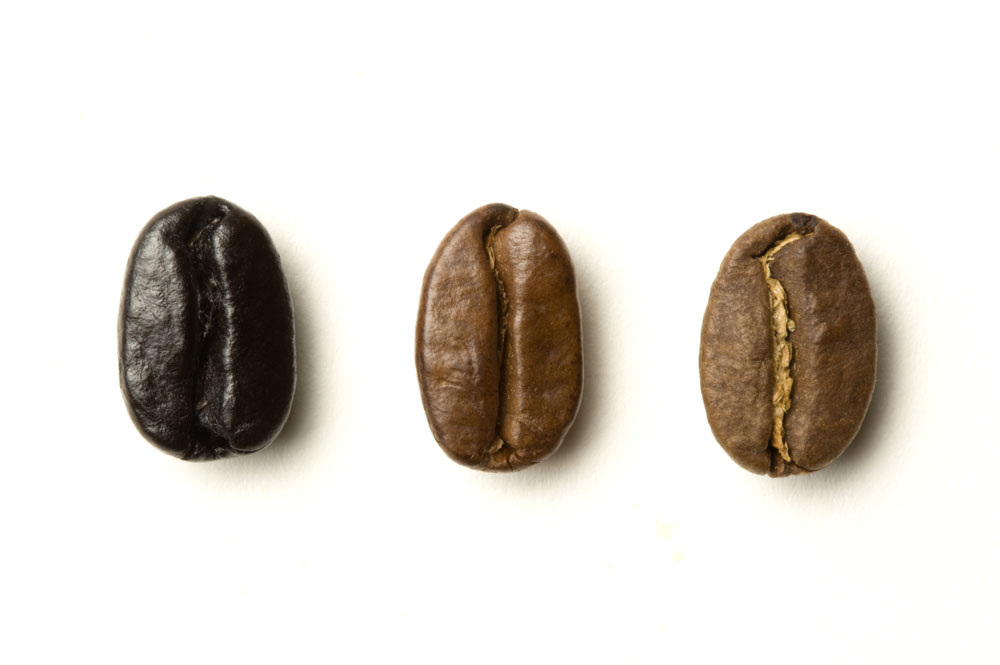
Bourbon Family Coffee Varieties and Mutations Explained
Explore Bourbon coffee mutations like Yellow Bourbon, SL28, SL34, Caturra, and Pacas—where they come from, how they taste, and why they matter.