
Coffee Technology
Latest articles, industry insights and brewing guides
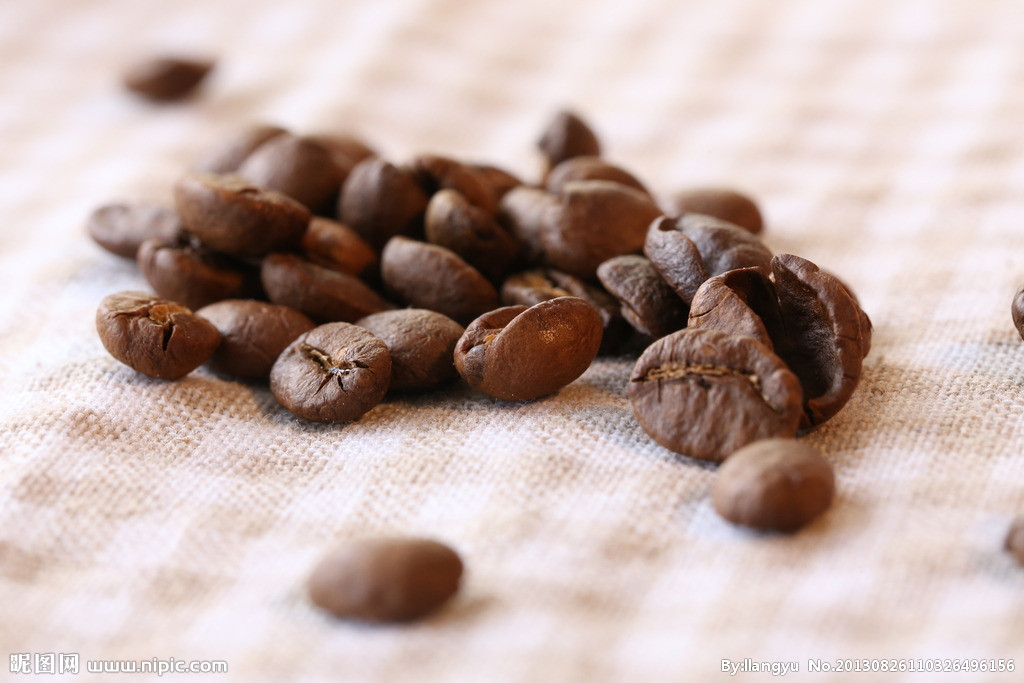
How Low-Caffeine Coffee Is Made: Processes and Caffeine Limits
Learn how low-caffeine coffee is produced, the three main methods, and the strict 0.3% caffeine limit per cup. Explained for specialty coffee drinkers.
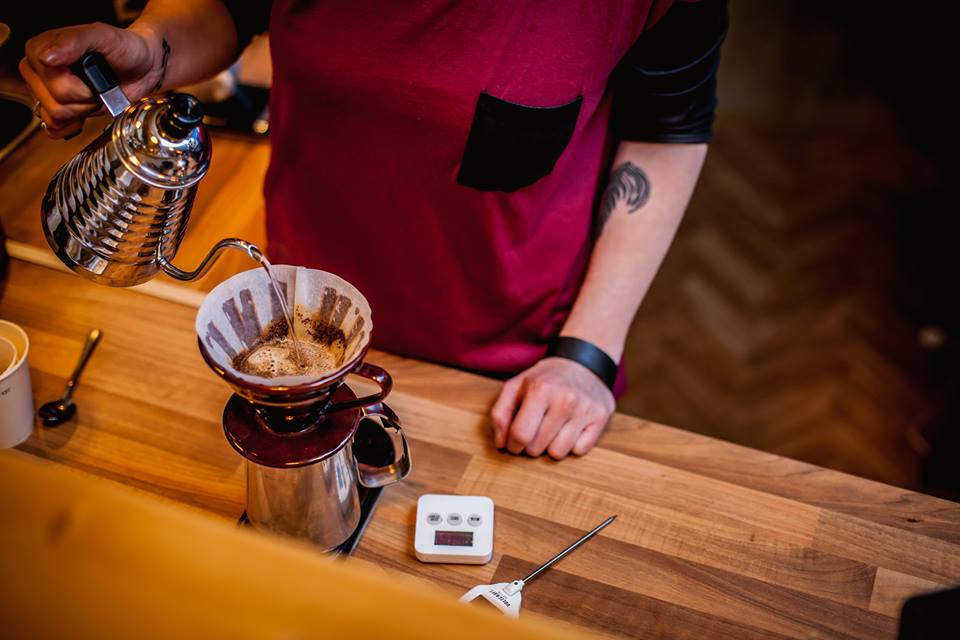
SCAA Gold Cup Standards for Drip Coffee Brewing
The SCAA Gold Cup standard requires a 1.1–1.3% TDS and 20% extraction for optimal drip coffee. Learn the science behind the ideal brew.
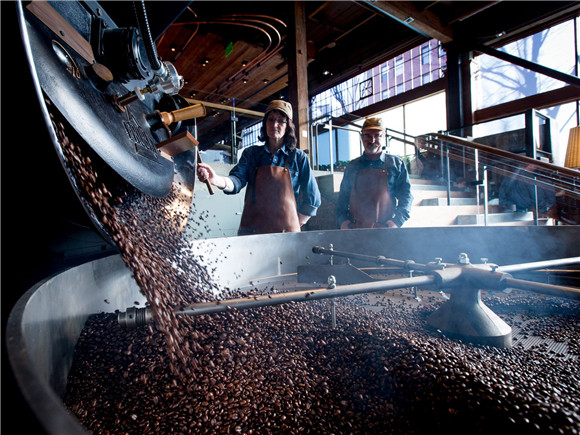
How Long Do Roasted Coffee Beans Stay Fresh?
Roasted coffee beans remain fresh for about 10 weeks. They peak in flavor for 2 weeks, stay good for 1 more month, then enter a usable decline phase.
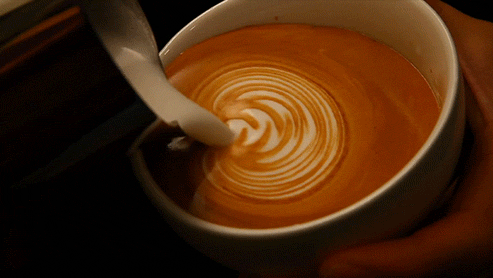
How to Make Latte Art: Tools, Techniques & Step-by-Step Guide
Learn the two main latte art techniques—free pouring and etching—and the essential tools including espresso machines, milk pitchers, and grinders.
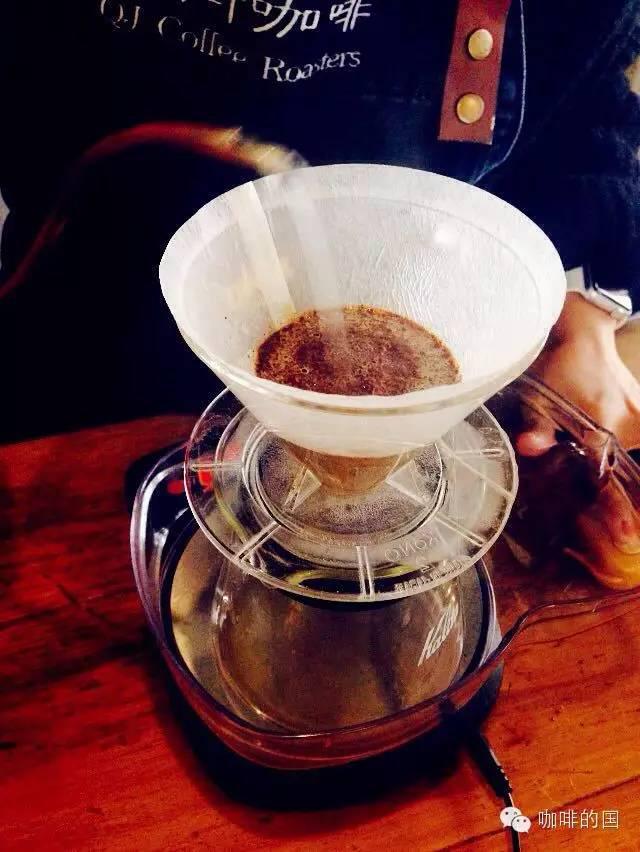
Why Coffee Beans Turn Brown and Smell Amazing During Roast
Coffee turns brown and aromatic through Maillard reactions and caramelization during roasting. Learn how pigment types and chemical changes create flavor.
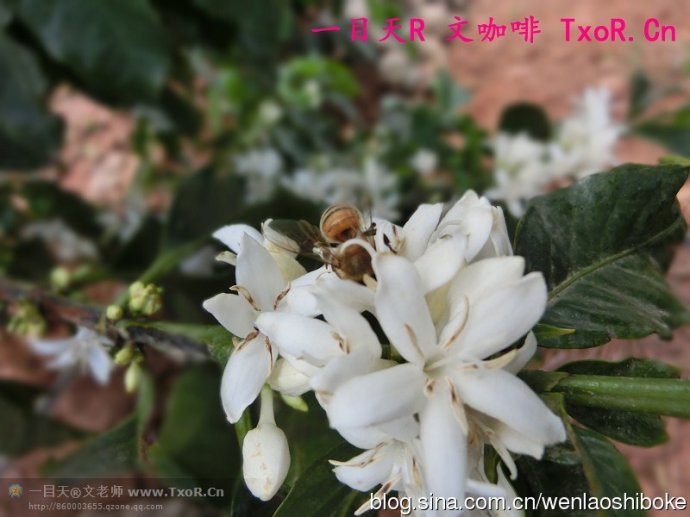
How Often Do Coffee Trees Bloom? What Do Coffee Flowers Look Like?
Coffee trees typically flower around age three, producing fragrant white blooms in spring. Find out when and how they bloom, plus the timeline to cherry harvest.
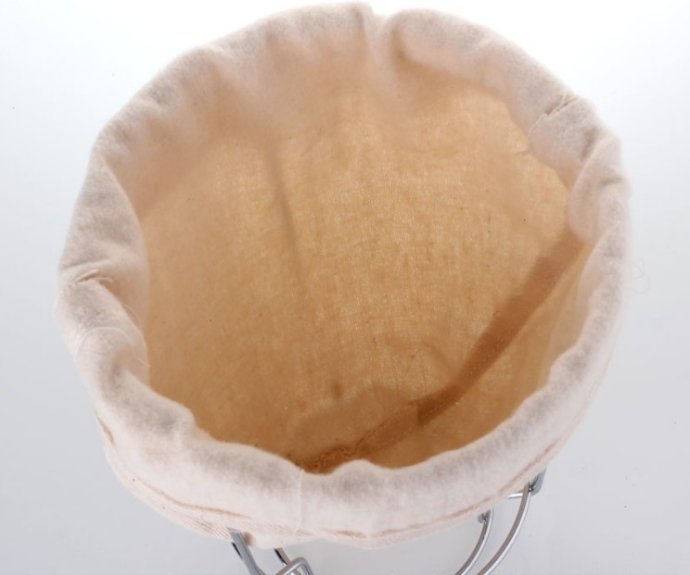
How to Brew Romantic Iced Coffee Using a Flannel Dripper
Learn how to make chilled flannel pour-over coffee with step-by-step instructions, optimal grind, water temps, and how to store your flannel filter.

How to Design a Graffiti Café: Layout & Style Essentials
Learn how graffiti cafés use strategic layouts, visual barriers, and open seating to create engaging spaces that balance privacy and atmosphere.
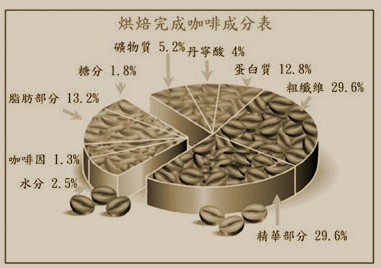
What’s Inside Roasted Coffee? A Breakdown of Coffee Bean Compounds
Learn how coffee compounds like caffeine, fats, and acids change during roasting—and what that means for flavor and nutrition.
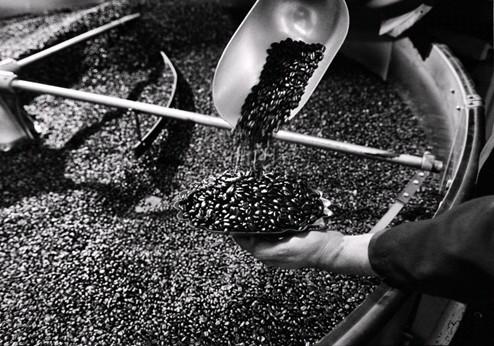
The Science of Coffee Roasting: From Bean to Brew
Learn how heat transforms green coffee beans into flavorful roasted coffee, including roasting stages, equipment types, and key chemical changes.
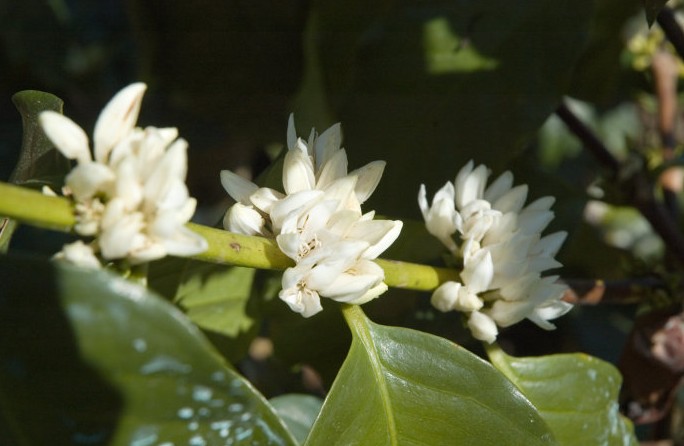
Where Does Coffee’s True Aroma Really Come From?
Coffee’s signature fragrance starts in the flower, ripens through fruit, and peaks via roast. Here’s how every stage builds the aroma.
10 Key Factors When Selecting Green Coffee Beans
Learn how to assess green coffee quality by inspecting size, color, processing signs, and sensory cues. These 10 expert tips help you choose better beans.
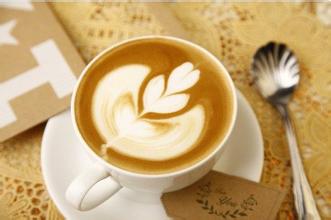
How to Make Latte Art: Milk Foam & Pouring Techniques
Learn how to steam milk to 60°C, texture it with 30 strokes, and pour latte art with a wrist-flick 'zigzag' and final straight line.
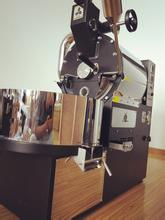
What to Know About Roaster Burners and Boilers: A Technical Look
An inside look at roaster burners, flame patterns, and boiler materials — including insights from a real HB-L2 maintenance session.
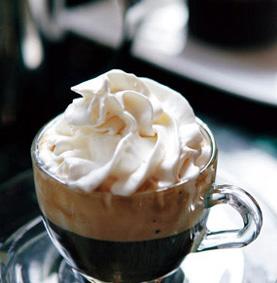
Historical Coffee Facts: Legends and Early European Adoption
Explore early coffee myths, papal approval, and royal experiments that shaped Europe’s coffee culture in the 17th and 18th centuries.
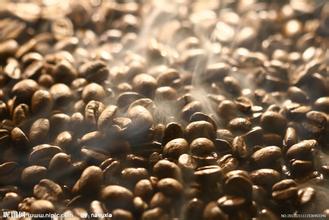
Famous Specialty Coffees From Around the World and Their Flavor Profiles
Explore the taste, origin, and characteristics of rare and famous coffees like Kopi Luwak, Jamaican Blue Mountain, and Ethiopian Yirgacheffe.
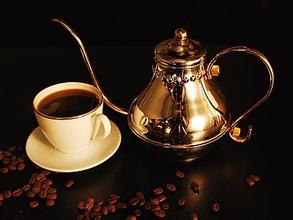
19 Global Coffee Types and Their Flavor Profiles Explained
Explore 19 distinct coffee origins—from Brazil to Kenya—with detailed tasting notes on flavor, acidity, body, and roast preferences.

Why Fresh Coffee Beans Matter for Brewing Better Coffee
Freshness is the foundation of great coffee. Learn how storage time, roast date, and grinding impact your brew’s flavor and extraction.
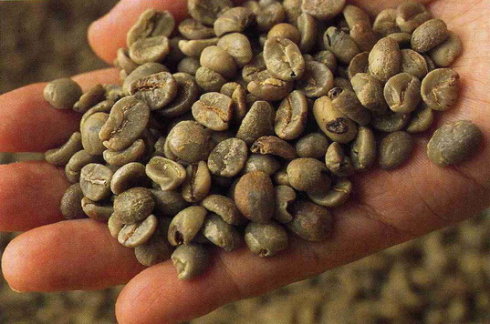
Why Hand Sorting Matters for Specialty Coffee Beans
Learn why hand sorting green coffee beans is essential to producing high-quality specialty coffee, and how much yield is lost in the process.
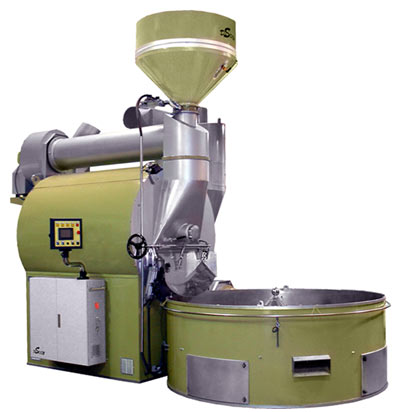
Drum vs Air Roasters: How Machine Type Shapes Coffee Flavor
Explore how drum and air roasters impact roast time, acidity, and flavor development, with insights from specialty coffee theory.