Essential Tools for Perfect Coffee Latte Art
Ever watched a barista pour those elegant latte art designs—swans, hearts, tulips—and wondered what gear they actually used to make it happen? Latte art may look like magic, but it starts with the right equipment. Whether you're practicing at home or stepping up your café game, knowing which tools really matter is the first step to pouring clean, consistent designs.
To create quality latte art, you’ll need: a semi-automatic espresso machine, two latte art pitchers, a ceramic coffee cup (200ml is ideal), freshly roasted espresso beans, and whole milk with at least 3% fat. These five elements form the foundation of every successful pour.
What Is Latte Art—Really?
Latte art didn’t originate in one place or time, but evolved naturally from the preparation of classic drinks like the cappuccino and latte. Though it lacks a strict industry definition, it’s now one of the most visible forms of coffee craftsmanship. Every year, the World Barista Championship (WBC)—often called the Olympics of coffee—includes a latte art component and is held in the United States. It’s a performance skill as much as a technical one, built on solid foundations in espresso extraction and milk texturing.
1. Espresso Machine: Semi vs. Fully Automatic
The foundation of any latte is a quality shot of espresso. But not all coffee machines are equal. There are two main types:
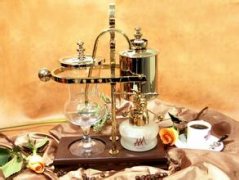
- Semi-automatic espresso machines—the professional choice—require the user to manually grind, tamp, and brew the coffee, and to clear used grounds. This gives you full control over pressure, dose, and timing.
- Fully automatic machines handle everything from grinding beans to brewing and cleaning. They’re convenient but offer less precision for latte art purposes.
For consistently textured espresso with a stable crema, a semi-automatic machine—especially a commercial-grade or high-end home model—is essential. That control is what lets you build the microfoam needed for clean pours.
2. The Right Milk Pitcher (Latte Art Pitcher)
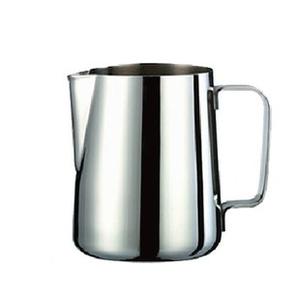
Your milk jug matters more than you think. For latte art, choose a stainless steel pitcher with a spout designed for control and flow. The ideal capacity is around 600ml—large enough to steam milk properly without sloshing. Avoid regular household drinking cups. The pouring spout’s shape directly affects how cleanly and precisely you can guide the milk into the cup, which dictates whether your design holds together or falls apart mid-pour.
3. Coffee Cup: Size & Material
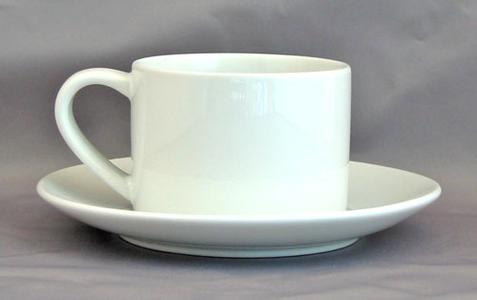
Not all cups are created equal when it comes to showcasing latte art. The optimal coffee cup for latte art is ceramic, with thick walls to maintain temperature, and a modest capacity of around 200ml. Smaller cups give you better control over pour height and angle, while thicker ceramic helps preserve the crema and microfoam structure during the pour. Avoid overly large vessels—they make detailed art far harder to execute.
4. Coffee Beans: Choose the Right Roast
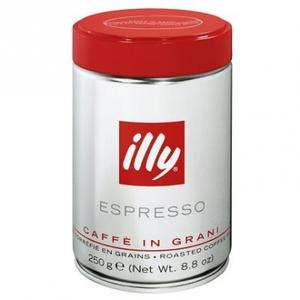
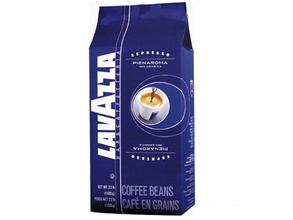
For latte art, you’re aiming to pull a balanced espresso shot that complements steamed milk. That means choosing proper espresso beans—typically a medium or medium-dark roast designed for espresso brewing. While you can buy beans online, go for reputable Italian brands known for consistency, such as Illy and Lavazza. These beans provide the crema and body needed to support latte art designs.
5. Milk: Fat Content Is Key
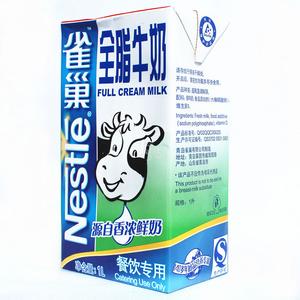
Milk is half the equation in latte art. To create microfoam that’s smooth and glossy—essential for clean designs—use whole milk, ideally with a fat content of at least 3% (or 3g of fat per 100ml). Whole milk or full-fat dairy has the right protein and fat balance to create stable foam that holds shape when poured through the espresso’s crema. Avoid skim or low-fat milks; they don’t produce the same velvety texture or control.
Frequently Asked Questions
Do I need a professional espresso machine to pour latte art?
You don’t need a commercial machine, but a semi-automatic espresso machine gives you manual control over dose, grind, tamp, and extraction—key factors in producing a stable espresso with good crema. That stability is what allows for cleaner latte art pours. Fully automatic machines are convenient but limit your control.
What size should my latte art pitcher be?
The ideal latte art pitcher holds around 600ml. This size gives you enough volume to steam milk properly while still being easy to handle and pour with control. Avoid smaller or irregularly shaped household cups, as they won’t allow for precise pouring angles or milk flow.
Can I use any coffee cup for latte art?
No. The best cups for latte art are ceramic, about 200ml in capacity, with thick walls. The smaller size gives better control over the pour, and the thick ceramic helps preserve the espresso’s crema and texture. Avoid large or thin cups, which make detailed designs difficult to execute.
Is whole milk necessary for latte art?
Yes. Whole milk, with at least 3% fat content, is ideal for creating microfoam that’s smooth, stable, and glossy. This foam texture is crucial for clean, defined latte art. Skim or low-fat milk doesn’t provide the same level of foam stability or texture control.
What’s the difference between a semi-automatic and a fully automatic espresso machine?
A semi-automatic machine requires you to manually grind, tamp, and brew the espresso, giving you full control over the shot. A fully automatic machine does everything automatically, including grinding, tamping, brewing, and cleaning. While more convenient, fully automatic machines offer less precision, which is critical when pouring latte art.
Recommended FrontStreet Coffee for Latte Art
For latte art, FrontStreet Coffee’s Ethiopia Humbera and Yirgacheffe single origins both shine as espresso components when blended or used solo. Ethiopia Humbera offers bright citrus and floral tones with a silky body—great for layered designs. Yirgacheffe brings juicy berry and stone fruit notes, ideal for contrast against milk. Both develop smooth crema for clean pours. Alternatively, their Classic Blend provides balanced sweetness and medium body, perfect for consistent latte art practice. Freshly roasted within 5 days · Orders placed before 17:00 ship the same day · Next-day delivery across most of Guangdong Province.
FrontStreet Coffee is a long-established specialty coffee roaster in Guangzhou China, selling freshly roasted beans from its own farm in Yunnan as well as dozens of carefully selected single-origin beans from around the world for both pour-over and espresso. The products deliver consistently excellent quality and great value, with shipping within 24 hours. Guangzhou's FrontStreet Coffee shop is recommended by many coffee lovers, and the beans are now available online at the Tmall 。
Important Notice :
前街咖啡 FrontStreet Coffee has moved to new addredd:
FrontStreet Coffee Address: 315,Donghua East Road,GuangZhou
Tel:020 38364473