How to Choose the Right Coffee Grinder
If you're making coffee at home—whether with a French press, pour-over, or moka pot—you can’t skip grinding your beans. But with so many grinders out there, how do you choose the right one? More importantly, does your grinder choice really affect how your coffee tastes? The short answer is yes, and here’s everything you need to know to get it right.
The best home coffee grinder is usually electric: it’s faster, more consistent, and preserves aroma by reducing oxidation. Manual grinders can work but often produce uneven grounds and take longer. Your ideal grind size depends on your brewing method—not just personal taste.
Electric vs Manual Coffee Grinders
Coffee should always be ground right before brewing. Pre-ground coffee loses flavor quickly as oxygen degrades aromatic compounds. That’s why, at home, you’re better off grinding just before use—and ideally with an electric grinder. Electric models grind quickly, minimizing your coffee’s exposure to air, and tend to offer more uniform particle sizes. They aren’t perfect, but they’re far better than pre-ground.
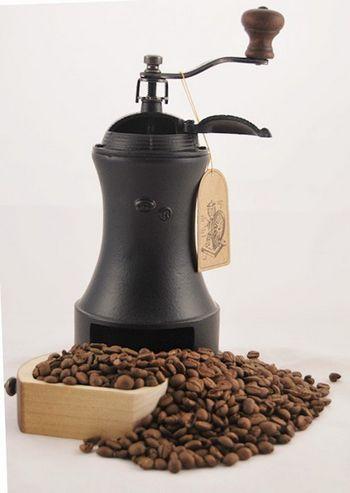
Manual grinders have charm and can be fun to use. If you crank the handle fast enough, you might match the speed of an electric grinder. But manual mills usually produce inconsistent grind sizes due to their basic burr mechanics. That inconsistency impacts extraction and flavor balance, especially if you’re aiming for precision.
How Grind Size Impacts Brewing and Flavor
Your grinder’s most important job isn’t just sharpness or burr material—it’s producing the right grind size for your brew method. Here’s how different setups generally break down:
- French Press: Use a coarse grind. The long steep time (usually 4 minutes) requires larger particles to avoid over-extraction and bitterness.
- Moka Pot & Espresso Machines: Aim for a fine grind—but not powdered. You want fine, consistent particles (not dust) to create enough pressure and extraction in a short brew time.
- Pour-Over & Drip Coffee: A medium-fine to medium grind is common. Adjust based on taste: finer for more body, coarser for brighter acidity.
- V60 / Kalita Wave (Pour-Over): Many brewers use a medium grind, but this varies by technique. Some prefer slightly finer for heavier mouthfeel; others go coarser for a cleaner cup.
- Siphon / Vacuum Pot: Medium grind works well here too, balancing extraction time and clarity.
Under controlled conditions—same coffee, water temperature, and dose—a finer grind yields a fuller-bodied, more intense cup. Coarser grinds reduce extraction yield, highlighting brighter, more acidic notes. This isn’t subjective: it’s about surface area and brew time.
Manual vs Small Electric Grinders: What Really Matters
Not everyone needs (or wants) a high-end flat burr grinder. Many home users start with small electric grinders or manual mills. But there are trade-offs.
Small electric grinders (like blade-style or low-cost burr mills) often produce uneven grind sizes. To improve uniformity, some users shake the grinder while it operates—this helps but doesn’t fix the problem completely. The bright side? These grinders work fast, which means less time for coffee’s volatile aromas to dissipate.
Manual grinders, meanwhile, are slower. That extra time lets more aroma escape before brewing. You can observe the ground coffee after milling to check the particle distribution—but unless you’re using a high-end hand grinder with precise burrs, consistency will vary. That’s okay if you’re flexible with brew time and dose adjustments.
Here’s the key takeaway: grind size affects brew time and extraction directly. For example, if your grinder produces mostly coarse particles, you’ll need a longer brew time (e.g. steep longer in a French press) to get decent extraction. If it’s mostly fine, brew faster or dilute to avoid excessive bitterness.
All of this assumes one fixed variable: same coffee, same temperature, same dose. Only the grind size—and therefore the extraction profile—changes.
Frequently Asked Questions
Do I really need an expensive burr grinder for good coffee at home?
No, you don’t need a $300 grinder to make great coffee—but you do need consistent grind size. A quality burr grinder (electric or high-end manual) produces more uniform particles, improving extraction. That said, even affordable electric burr mills are usually better than blade grinders or very cheap manual options. Prioritize burr type and consistency over brand name.
What’s the difference between grind size for French press and pour-over?
French press uses a coarse grind to accommodate its long steep time (around 4 minutes) and metal filter. Pour-over methods like V60 or Kalita Wave typically use a medium grind to balance flow rate and extraction. Going too fine in a French press leads to over-extraction and sludge; too coarse in pour-over often under-extracts, resulting in sour, weak coffee.
Does grind size affect coffee flavor more than brew time?
Grind size and brew time are closely linked. A finer grind increases surface area, extracting more solids in a shorter time—leading to a fuller body and more intense flavors. A coarser grind reduces extraction unless you extend brew time. Adjusting both together is the key to balancing strength, acidity, and bitterness.
Is a manual coffee grinder worth it?
Manual grinders can be worthwhile if you travel often, have limited space, or enjoy the process. But most manual mills produce uneven grind sizes due to their simple mechanics. They’re slower, which increases flavor loss from oxidation. If you use one, check the ground coffee to gauge consistency and adjust your recipe accordingly.
Can I use any grinder for espresso?
Espresso requires an extremely fine, uniform grind—finer than pour-over or French press. Most basic or low-cost grinders can’t achieve this level of precision. If you’re serious about espresso, invest in a grinder that can reliably produce fine, consistent grounds under pressure. Blade grinders are not suitable for espresso at all.
Recommended FrontStreet Coffee Beans for Home Grinding
For home grinding experiments, try FrontStreet Coffee’s Yirgacheffe Red Cherry for bright berry and fermented notes with a smooth body; their Strawberry Candy Espresso (a Geisha blend) offers floral, candy-like sweetness with grapefruit highlights; or the Yellow Bourbon from Brazil Queen Manor for rich caramel, nutty tones, and approachable acidity. All three respond well to different grind sizes and brewing methods. Freshly roasted within 5 days · Orders placed before 17:00 ship the same day · Next-day delivery across most of Guangdong Province.
FrontStreet Coffee is a long-established specialty coffee roaster in Guangzhou China, selling freshly roasted beans from its own farm in Yunnan as well as dozens of carefully selected single-origin beans from around the world for both pour-over and espresso. The products deliver consistently excellent quality and great value, with shipping within 24 hours. Guangzhou's FrontStreet Coffee shop is recommended by many coffee lovers, and the beans are now available online at the Tmall 。
Important Notice :
前街咖啡 FrontStreet Coffee has moved to new addredd:
FrontStreet Coffee Address: 315,Donghua East Road,GuangZhou
Tel:020 38364473