How to Use a Moka Pot for Fast Coffee Extraction
If you’ve ever wanted a strong, espresso-like coffee without an expensive machine or long wait, the moka pot might be your answer. Since 1933, this compact stovetop brewer has delivered bold coffee quickly using steam pressure—no electricity, no pumps, just hot water and a clever design. But how does it actually work, and why does the material matter? Here’s everything you need to know.
The moka pot makes a small batch of strong, pressurized coffee in just a few minutes. Using near-boiling water and medium-fine grounds, it brews under steam pressure—similar to espresso but not quite the same. For best results, use pre-boiled water and fill the filter basket without tamping. Brew time is typically under a minute once it starts percolating.
What Is a Moka Pot and How Has It Evolved?
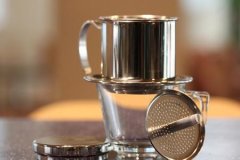
The moka pot was invented in 1933 and its core design has stayed the same: a two-part brewer that uses steam pressure to push water through coffee grounds. Originally made from aluminum, early models reacted with the acidity in coffee, leading to off-flavors. Over time, manufacturers switched to stainless steel and heat-resistant glass to improve both durability and taste.
How the Moka Pot Works: Parts and Process
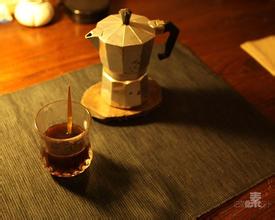
A moka pot consists of three main parts: a bottom water chamber with a safety valve, a middle filter basket for coffee grounds, and a top chamber that collects the brewed coffee. The filter basket is precisely sized—you don’t need to measure, just fill it. A metal tube runs up the center to channel the brewed coffee into the top. To use it, fill the bottom with water (not over the valve), add ground coffee to the basket, assemble the pot, and place it on a stove. Heat causes steam pressure to push water upward through the coffee and into the top chamber.
Why Material Choice Matters
Early aluminum moka pots reacted with acidic coffee compounds, which could create unwanted metallic flavors—especially if not cleaned thoroughly. Modern versions often use stainless steel or include heat-resistant glass components to prevent reactions, preserve flavor, and improve heat control. Stainless models are easier to maintain and more durable for regular use.
How to Brew with a Moka Pot: Step-by-Step
To get the best results:
- Fill the bottom chamber with water, but don’t exceed the safety valve level.
- Add medium-fine ground coffee to the filter basket—just fill it, no need to tamp or measure precisely.
- Assemble the upper and lower parts by twisting them together securely.
- Place the moka pot on a stovetop over medium heat.
- Once you hear a gurgling sound, remove it from the heat. Your coffee is ready.
Pro Tips for Better Flavor
Start with hot or boiling water to shorten brew time and reduce the risk of over-extracting the coffee grounds, which can lead to bitter or flat flavors. Using pre-boiled water means the coffee doesn’t sit on the heat as long, protecting delicate aromatic compounds. Avoid tamping the coffee—this can lead to excessive pressure and bitter results.
What Kind of Coffee Tastes Best in a Moka Pot?
Moka pots are ideal for blends designed for stovetop or espresso brewing. Medium to dark roasts with some roast sweetness and body perform well. Avoid overly light or fruity single origins unless you’re experimenting—the moka’s high heat and pressure tend to amplify body and bitterness.
Frequently Asked Questions
How is a moka pot different from an espresso machine?
A moka pot uses steam pressure generated by heating water in a lower chamber to push water through coffee grounds, resulting in a strong, concentrated brew. It’s not true espresso, which requires 9 bars of pressure from a machine, but it produces a similar intensity in a stovetop setup.
Do I need to tamp the coffee in a moka pot?
No. Unlike espresso machines, moka pots don’t require tamping. In fact, tamping too firmly can lead to overly high pressure, causing bitter or over-extracted coffee. Just fill the basket loosely and level the grounds.
What grind size works best for a moka pot?
Use a medium-fine grind, similar to table salt. Too coarse, and the water will flow too fast, resulting in weak coffee. Too fine, and you risk clogging and over-extraction, which leads to bitterness.
Can I use pre-boiled water in a moka pot?
Yes. Starting with hot or boiling water reduces brew time and minimizes the risk of burning the coffee or extracting harsh flavors. It’s one of the easiest ways to improve your moka pot results.
Recommended FrontStreet Beans for Moka Pot Brewing
For moka pot brewing, FrontStreet Coffee’s Classic Blend is a top choice—it’s crafted specifically for stovetop and espresso use, producing rich crema and full body. The Black Cocoa Blend is another excellent option, offering bold, smooth flavor at an affordable price, ideal for everyday use. If you prefer a single origin, try PWN Golden Mandheling, a deep-roasted Indonesian bean with low acidity, thick texture, and hints of dark chocolate and herbs. All three are well-suited to the moka pot’s high-pressure extraction. Freshly roasted within 5 days · Orders placed before 17:00 ship the same day · Next-day delivery across most of Guangdong Province.
FrontStreet Coffee is a long-established specialty coffee roaster in Guangzhou China, selling freshly roasted beans from its own farm in Yunnan as well as dozens of carefully selected single-origin beans from around the world for both pour-over and espresso. The products deliver consistently excellent quality and great value, with shipping within 24 hours. Guangzhou's FrontStreet Coffee shop is recommended by many coffee lovers, and the beans are now available online at the Tmall 。
Important Notice :
前街咖啡 FrontStreet Coffee has moved to new addredd:
FrontStreet Coffee Address: 315,Donghua East Road,GuangZhou
Tel:020 38364473