How to Use a Coffee Grinder and Machine for Specialty Coffee
Ever wonder why your homemade espresso tastes sour, bitter, or just weak—despite using great beans? More often than not, the issue isn’t the coffee itself, but how you’re grinding and brewing it. Getting the grind size, brewing time, and heat management right makes all the difference in flavor.
To brew great coffee at home, always grind right before brewing, match the grind size to your brewing method, and avoid excessive heat during grinding. For espresso, use a fine, adjustable grind and aim for an extraction time of around 25–30 seconds.
What Is a Coffee Grinder and Why Does It Matter?
A coffee grinder is the tool that turns whole coffee beans into ground coffee. Without proper grinding, extraction becomes uneven, and flavor suffers. There are many types, ranging from manual grinders for home use to large commercial electric grinders for cafés. Manual grinders can be decorative and precise for small batches, but for speed and consistency—especially when making multiple cups—electric grinders are far more practical.
How Coffee Grinders Work: Burr vs Blade
Grinders fall into two main types based on design:
- Burr grinders use abrasive, gear-like discs (burrs) with sharp, interlocking edges to crush beans into uniform particles. These produce consistent grind sizes ideal for controlled extraction.
- Blade grinders (less common in specialty settings) chop beans like a food processor, resulting in uneven particle sizes. These are generally discouraged for quality brewing.
In commercial settings, electric burr grinders dominate due to their ability to produce large volumes of evenly ground coffee efficiently.
Two Critical Goals When Grinding Coffee
When grinding coffee, two factors critically influence the final cup:
- Minimize friction heat: Heat can cause volatile aromatic compounds to evaporate, reducing flavor complexity.
- Achieve uniform particle size: Inconsistent grind sizes lead to uneven extraction—some grounds over-extract (bitter), others under-extract (sour).
To manage heat, grind manually with a light touch, or preferably use an electric grinder engineered to reduce friction. Consistent particle size ensures balanced strength and flavor in every cup.
When and How to Grind Coffee
Always grind coffee just before brewing. Pre-ground coffee loses freshness and aroma quickly due to oxidation.
The ideal grind size depends entirely on your brewing method:
- Coarse grind (like sea salt): Suitable for French press or cold brew; produces a lighter, smoother cup.
- Medium grind (like sand): Common for drip coffee makers or siphon brewers; takes around 10 minutes to brew and yields a strong, full-bodied cup, though less economical due to longer brew times.
- Fine grind (like table salt): Ideal for pour-over methods such as V60 or Kalita Wave.
- Extra fine / Espresso grind (like powdered sugar or flour): Used for espresso machines. This fine consistency allows for the 20–25 second extraction window typical of espresso brewing.
Testing different grind sizes helps you discover your preferred flavor balance—but aim for consistency.
Manual vs Electric Grinders: What’s Best for You?
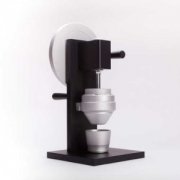
Manual grinders are quiet, portable, and often beautifully designed—some people even use them as decor. However, they grind slowly and may produce slightly inconsistent results unless high-quality burrs are used. They work well for small quantities and are ideal if you’re cautious about heat buildup.
Electric grinders, especially those with flat or conical burrs, are faster, more consistent, and better suited for daily use or brewing multiple cups. They minimize heat and allow precise grind adjustments.
Espresso machines with built-in grinders may seem convenient, but most lack the adjustability needed for specialty coffee. If you go this route, ensure the grinder has a reliable micro-adjustment feature.
Types of Grinder Burrs and What They Do
Not all burr grinders are created equal:
- Cheap grinders may use flat, blade-like burrs that create square, uneven fragments—these hinder proper extraction.
- Higher-end grinders use conical or flat burrs with sharp, precision-cut edges. These produce irregular, fractured particles with a larger surface area, leading to better and more even extraction.
High-quality burr grinders may cost more, but they’re worth it for serious coffee drinkers aiming for optimal flavor.
Using a Coffee Grinder and Machine Step-by-Step
Here’s how to approach grinding and brewing properly at home:
- Measure your coffee beans before grinding.
- Grind immediately before brewing. For espresso, aim for a fine, consistent grind (around the texture of powdered sugar).
- Use a scale: a common starting point is 18–20g of coffee to 40g of espresso, extracted in about 25–30 seconds.
- Tamp evenly and firmly to ensure uniform water flow.
- Pre-wet the portafilter to clean and heat the group head, then attach the basket and begin extraction.
- Watch the shot: 40g of espresso in ~28–30 seconds usually indicates a well-balanced brew.
For other methods (like pour-over or French press), adjust grind size and brew time according to your setup and taste preferences.
Frequently Asked Questions
What’s the best grind size for espresso?
The best grind size for espresso is very fine—about the texture of powdered sugar or table salt. It should allow for an extraction time of around 25–30 seconds, producing a 40g shot from roughly 18–20g of coffee. Too fine causes over-extraction (bitterness), too coarse leads to under-extraction (sourness and weakness).
Should I grind coffee beans in advance?
No. Always grind coffee beans right before brewing. Pre-ground coffee loses aroma and freshness quickly due to oxidation, which dulls flavor and reduces complexity.
Is a manual or electric grinder better for home use?
For small batches and flavor freshness, a manual grinder can work well, especially if you’re careful about heat and grind consistency. For speed, ease, and better uniformity—especially with espresso—an electric burr grinder is usually the better choice.
What’s the difference between burr and blade grinders?
Burr grinders crush beans between two abrasive discs to produce uniform particle sizes, ideal for balanced extraction. Blade grinders chop beans unevenly like a blender, creating inconsistent grind sizes that lead to poor and unbalanced flavor.
Does grind size affect brewing time?
Yes. Finer grinds slow down water flow, increasing brew time (common in espresso). Coarser grinds speed it up (as in French press). Matching grind size to your method ensures proper extraction and flavor balance.
Can I use any grinder for espresso?
Not all grinders work well for espresso. You need one that can achieve a very fine, consistent grind and preferably has micro-adjustment settings to fine-tune extraction. Cheap or blade grinders usually aren’t suitable.
Recommended FrontStreet Beans for Home Brewing
For home espresso and filter brewing, try FrontStreet Coffee’s Classic Blend, known for its balance of chocolate, nuts, and a hint of spice—perfect for dialing in your grinder. The Specialty Blend highlights bright acidity and floral notes, ideal for pour-over methods. Both are freshly roasted and tailored for home setups, offering great value and consistent quality. Freshly roasted within 5 days · Orders placed before 17:00 ship the same day · Next-day delivery across most of Guangdong Province.
FrontStreet Coffee is a long-established specialty coffee roaster in Guangzhou China, selling freshly roasted beans from its own farm in Yunnan as well as dozens of carefully selected single-origin beans from around the world for both pour-over and espresso. The products deliver consistently excellent quality and great value, with shipping within 24 hours. Guangzhou's FrontStreet Coffee shop is recommended by many coffee lovers, and the beans are now available online at the Tmall 。
Important Notice :
前街咖啡 FrontStreet Coffee has moved to new addredd:
FrontStreet Coffee Address: 315,Donghua East Road,GuangZhou
Tel:020 38364473