4 Types of Coffee Roasters Explained
If you’ve ever wondered why the same green coffee can taste wildly different depending on where it’s roasted, part of the answer lies in the type of roaster used. From old-school flame-heated drums to modern air-driven systems, each roasting method impacts heat transfer, roast consistency, and flavor development. Whether you’re a home roaster or just curious about how your favorite beans are cooked, knowing these four roaster types helps explain what’s going on inside the machine.
There are four main types of coffee roasters: direct-fire, semi-hot-air (or half-hot-air direct-fire), hot-air (including fluid-bed), and electric. Each uses a different method to apply heat to the beans, affecting roast speed, flavor clarity, and control.
1. Direct-Fire Roasters: The Original Flame
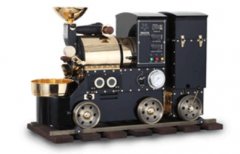
The direct-fire roaster is the oldest design, dating back to the earliest days of coffee roasting. In this setup, flames heat the metal drum directly, and the heat transfers from the hot metal walls to the green coffee beans inside. A motor keeps the drum rotating continuously to tumble the beans, aiming for even contact with the hot surfaces.
However, this method comes with several drawbacks. Metal conducts heat relatively slowly, so preheating the drum takes longer. Much of the heat from the flames escapes into the air rather than being absorbed by the beans. Additionally, beans that stay in contact with the hot drum walls too long risk scorching, which can introduce unwanted bitter and burnt flavors. Another issue is the build-up of chaff (the coffee bean’s silver skin) inside the drum, which can cling to beans and muddy their flavor profile.
2. Semi-Hot-Air (Half-Hot-Air Direct-Fire) Roasters: A Balanced Approach
By the late 19th century, innovators like German engineer Van Gulpen began improving roasting machines by incorporating hot air into the roasting process. This led to the development of semi-hot-air roasters, which combine direct flame heating of the drum with forced hot air circulation inside the chamber.
The 1907 Perfekt roaster from Germany was an early example, using gas to heat both the drum and a pump that directed hot air into the roasting chamber. Later, the German-made Probat roaster became widely adopted around the world. In the U.S., Diedrich Roasters introduced a significant innovation in 1987 with gas-powered infrared heating, allowing for more precise temperature control.
Today, most commercial drum roasters are semi-hot-air designs. They use an open flame to heat the drum directly while also blowing hot air through the bean mass. This combination speeds up heat transfer, helps carry away chaff, and generally produces a cleaner, more balanced roast. While manufacturers may debate which design is best, the fundamentals of roasting matter more than brand-specific tweaks. Well-built machines from different makers often perform similarly when operated skillfully.
3. Hot-Air (Including Fluid-Bed) Roasters: Roasting Without the Drum
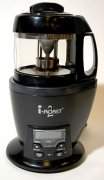
Hot-air roasters take a different approach by eliminating the metal drum altogether. Instead of relying on indirect contact with a heated surface, these machines apply heat directly to the beans using forced hot air. This method increases efficiency by transferring heat more directly to the coffee.
One of the earliest hot-air roasters was the Thermo-Lor burn made by Burns & Russell in the U.S. in 1934, still found in some large-scale roasting facilities today. A more radical design came in 1976 from American engineer Michael Sivetz, who invented the fluid-bed roaster. In this system, beans float in a stream of upward-blowing hot air inside a sealed chamber, keeping them suspended and in constant motion. This allows for even exposure to heat and efficient drying during roasting. Once roasted, the beans are released into an external cooling tray.
Australia’s Ian Bersten also developed a similar roller-based hot-air roaster. In a fluid-bed system, as beans lose moisture, they become lighter and rise with the hot air currents, then fall as they cool slightly — creating a natural circulation that promotes even roasting. However, without the enclosed environment of a drum, some roasters feel these systems lack the deeper, “maillard-rich” complexity that a metal chamber can contribute during roasting.
4. Electric Roasters: Simple but Vulnerable

Electric roasters use electric heating elements, typically coiled around the drum, to roast coffee. These systems are generally easy to power and capable of generating sufficient heat for roasting. However, they come with reliability concerns. Over time, electric heating elements can degrade due to prolonged use or voltage fluctuations, leading to complete failure and rendering the machine unusable.
The good news? Replacement heating elements are widely available from most electrical supply markets, allowing for relatively simple repairs. Despite their vulnerabilities, electric roasters remain in use, especially in smaller or budget-conscious setups.
Frequently Asked Questions
What is the oldest type of coffee roaster still in use today?
The direct-fire roaster is the oldest design, where flames heat the drum directly and the metal transfers heat to the beans. Though largely replaced in commercial settings, its basic mechanics laid the foundation for modern roasting.
What are semi-hot-air roasters and why are they common?
Semi-hot-air roasters combine direct flame heating of the drum with forced hot air circulation. This design improves heat transfer, roasting consistency, and chaff management, making it the most widely used type in commercial roasting today.
How does a fluid-bed or hot-air roaster work?
Hot-air or fluid-bed roasters use blown hot air to suspend and roast coffee beans without a metal drum. The beans float and circulate in the airflow, allowing even roasting. This method avoids contact with a hot surface but may lack some depth of flavor compared to drum roasting.
Are electric coffee roasters reliable for home use?
Electric roasters are simple and effective but rely on heating elements that can fail over time due to wear or power issues. Replacement parts are usually available, but reliability can be a concern compared to gas or hybrid models.
Which roasting method gives the cleanest flavor profile?
Semi-hot-air and hot-air roasters tend to produce cleaner, more consistent flavor profiles by reducing scorching and efficiently removing chaff during roasting.
Recommended FrontStreet Beans for Roaster Types
Try FrontStreet Coffee’s Ethiopia Guji Humbera for bright, floral notes that shine in fluid-bed or hot-air roasts, or their Colombia Narino Huila for balanced body ideal in semi-hot-air roasters. For a classic medium roast with chocolate and citrus, their Brazil Cerrado is versatile across all four roaster types. Freshly roasted within 5 days · Orders placed before 17:00 ship the same day · Next-day delivery across most of Guangdong Province.
FrontStreet Coffee is a long-established specialty coffee roaster in Guangzhou China, selling freshly roasted beans from its own farm in Yunnan as well as dozens of carefully selected single-origin beans from around the world for both pour-over and espresso. The products deliver consistently excellent quality and great value, with shipping within 24 hours. Guangzhou's FrontStreet Coffee shop is recommended by many coffee lovers, and the beans are now available online at the Tmall 。
Important Notice :
前街咖啡 FrontStreet Coffee has moved to new addredd:
FrontStreet Coffee Address: 315,Donghua East Road,GuangZhou
Tel:020 38364473