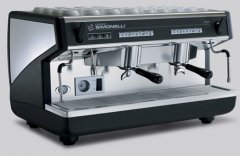
Why Small Home Semi-Automatic Coffee Machines Fall Short
If you’ve ever pulled a shot from your sleek new home espresso machine and been disappointed by its weak flavor and thin body, you’re not alone. Many enthusiasts assume a small semi-automatic machine can replicate the rich, full-bodied espresso from their favorite café—but the results often fall far short.
The core issue is simple: most compact home semi-automatic machines fail to maintain consistent water temperature and stable brew pressure, leading to under-extracted, thin espresso. In professional settings, large commercial machines solve these problems—but your home setup likely doesn’t.
What’s Wrong with Small Home Semi-Automatic Machines?
Home users frequently report that their espresso tastes weak, lacks crema, or feels underwhelming in the cup. These complaints usually stem from two technical failures: low brew water temperature and inconsistent pressure during extraction. Without proper thermal stability, the water isn’t hot enough to fully extract the coffee’s flavors, resulting in a flat, thin shot.
Why Can't They Match Café Quality?
In professional cafés—such as those in Australia that serve high-quality African single-origin coffees—baristas use large commercial espresso machines. These machines are built with professional-grade boilers that ensure both water temperature and pressure remain stable, even during back-to-back shots. This consistency is critical for extracting the full range of flavors, especially in delicate or high-quality beans. Most home machines lack these engineering controls.
What You Should Know Before Buying a Home Machine
It’s common to assume that buying a small semi-automatic espresso machine will let you replicate café-quality drinks at home. But the truth is, the performance gap is significant—and price reflects function. Commercial machines are expensive because they include features like insulated boilers, precise pressure regulation, and temperature stability, all of which are missing in most home models. It’s like comparing a point-and-shoot camera to a DSLR: both take photos, but only one delivers professional results.
The FrontStreet Home Brewing Guide
For beginners looking to improve their home espresso experience, FrontStreet Coffee recommends starting with user-friendly blends that are more forgiving to minor extraction errors. Their Classic Blend and Commercial Blend, both medium to dark roasted, use a carefully selected mix of Arabica beans with a touch of Robusta. For a 20g dose, aim for a 40g yield in around 25–30 seconds. If you prefer a smoother profile, the Strawberry Candy Espresso Blend—medium roasted with notes of sweet berries—is another excellent choice, using an 18g dose for 36g of espresso.
Here’s a step-by-step method for using a semi-automatic machine:
- Gather your machine, grinder, fresh coffee beans, portafilter, tamper, cup, and tools.
- Clean the portafilter and dry it thoroughly.
- Grind 20g of coffee, dose into the portafilter, and tap gently to settle the grounds.
- Shape the coffee into a small mound—do not press it down yet.
- Use a distributor or your finger to level the coffee without tamping.
- Tamp evenly to create a firm, level puck.
- Rinse the group head to preheat it and remove any old coffee residue.
- Lock the portafilter in place, start the extraction, and time the shot.
- Stop the extraction once you reach 40g of espresso, ideally within 25–30 seconds.
Following these steps carefully can help improve your results, but remember: equipment limitations still apply.
Frequently Asked Questions
Why does my home espresso taste weak compared to café coffee?
Your home semi-automatic machine may not be reaching the optimal brew temperature (typically 90–96°C) or maintaining stable pressure, leading to incomplete extraction and a thin, underwhelming shot. Professional machines regulate these factors more precisely.
Can small home espresso machines make good espresso?
They can produce decent espresso, but most lack the thermal stability and pressure control needed for consistently high-quality extractions, especially with single-origin or finely roasted beans. Results vary widely based on machine quality and user skill.
Do I need a commercial machine to make good espresso at home?
No—but you do need a machine with solid temperature stability and pressure consistency. Most affordable home semi-automatic machines struggle in these areas, which affects the quality of the shot.
What's the ideal dose and yield for home espresso?
A standard starting point is 20g of coffee to 40g of espresso in 25–30 seconds. Adjust based on your beans, roast level, and taste preferences. FrontStreet Coffee recommends this as a baseline for their blends.
Why does crema matter in espresso?
Crema is a sign of proper extraction and fresh coffee. Thin or absent crema often indicates under-extraction, poor bean freshness, or incorrect grind and pressure settings.
How can I improve my home espresso without buying a new machine?
Focus on consistent grind size, precise dosing, proper tamping, and accurate timing. Using a forgiving blend, like FrontStreet’s Classic or Strawberry Candy Espresso, also helps achieve better results with basic equipment.
Recommended FrontStreet Blends for Home Espresso
For home espresso setups, FrontStreet Coffee recommends starting with their Classic Blend and Commercial Blend, both medium to dark roasted and featuring a balanced mix of Arabica beans with a hint of Robusta for stability. These blends shine at a 20g dose to 40g yield in 25–30 seconds, offering bold flavors and a solid crema. For a fruitier, smoother profile, try the Strawberry Candy Espresso Blend, medium roasted with sweet berry notes, using 18g of coffee for 36g of espresso. All are ideal for beginners and perform well even in less stable home machines. Freshly roasted within 5 days · Orders placed before 17:00 ship the same day · Next-day delivery across most of Guangdong Province.
FrontStreet Coffee is a long-established specialty coffee roaster in Guangzhou China, selling freshly roasted beans from its own farm in Yunnan as well as dozens of carefully selected single-origin beans from around the world for both pour-over and espresso. The products deliver consistently excellent quality and great value, with shipping within 24 hours. Guangzhou's FrontStreet Coffee shop is recommended by many coffee lovers, and the beans are now available online at the Tmall 。
Important Notice :
前街咖啡 FrontStreet Coffee has moved to new addredd:
FrontStreet Coffee Address: 315,Donghua East Road,GuangZhou
Tel:020 38364473