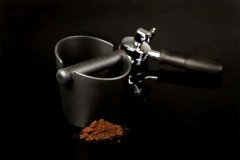
How to Clean Your Espresso Machine Grouphead with the Cafelat Brush
Ever pulled what you thought was a perfect shot—creamy, balanced, just the way you like it—only to wonder why it suddenly tastes off? The problem might not be your beans or your technique. It could be what you can’t see: layers of old coffee oils, grime, and mineral buildup hiding in the shadowy corners of your espresso machine’s grouphead.
The secret? Most standard cleaning brushes can’t reach the critical area just beneath the rubber gasket and around the bayonet ring—the parts that trap the most coffee residue. That’s where the Cafelat grouphead cleaning brush comes in.
Why Your Espresso Machine’s Grouphead Gets So Dirty
Even with daily backflushing, the area around the rubber gasket and bayonet ring in your espresso machine’s grouphead is often missed. Over time, coffee oils, grounds, and minerals accumulate in these tight spaces, affecting taste and performance. Paul, a seasoned technician who has rebuilt dozens of machines, found this area consistently filthy across hundreds of groups.
What Is the Cafelat Cleaning Brush?
The Cafelat cleaning brush is a specially designed, patent-pending tool built to clean hard-to-reach parts of your espresso machine’s grouphead. It’s engineered to fit most standard commercial machines and locks into the group just like a portafilter. The bristles get right up against the rubber gasket and bayonet ring—areas standard brushes can’t clean. Each box includes one brush and an extra pair of natural fibre replacement bristles, along with full usage instructions.
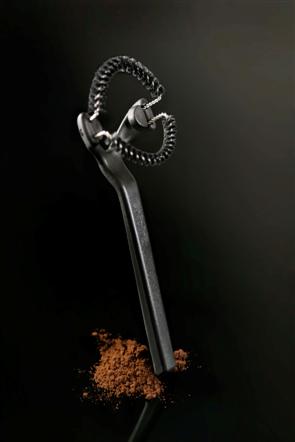
How to Use the Cafelat Brush to Clean Your Grouphead
Here’s how one user has cleaned their machine effectively with the Cafelat brush for over a year:
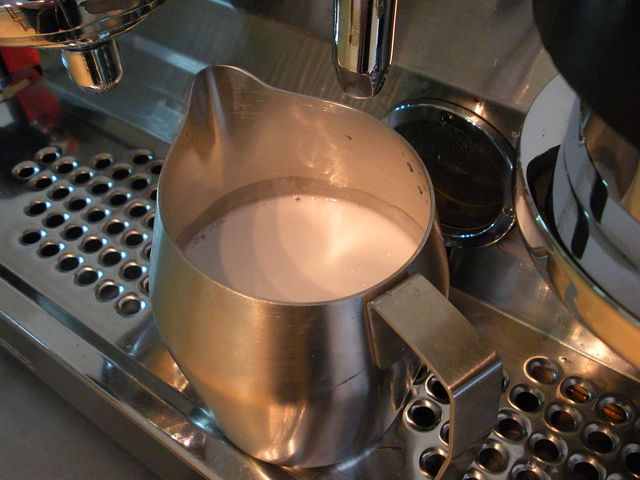
- Fill a pitcher with hot water.
- Add your usual espresso machine cleaning powder (the same one used for portafilter cleaning works fine).
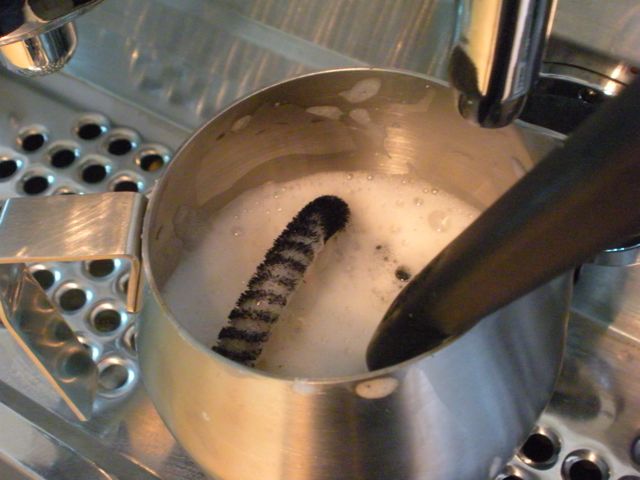
- Dip the Cafelat brush into the solution to load it with cleaner.
- Insert the brush into the grouphead just like you would a portafilter.
- As shown in close-up images, the brush reaches behind the gasket and around the bayonet ring—two spots that harbor coffee oils and old grounds.
- Remove the brush, dip it again, and observe how much grime it pulls out.
- Rinse the brush under running water, then do a final pass inside the group with the clean brush.
- Wipe the entire area with a damp microfiber cloth to remove any remaining residue.
That’s it. Your grouphead is clean, and your shots will thank you.



Frequently Asked Questions
What parts of the espresso machine does the Cafelat brush clean?
The Cafelat brush is specifically designed to clean the grouphead, with special focus on the hard-to-reach areas around the rubber gasket and the bayonet ring—spots that standard brushes can’t reach.
How often should I clean my espresso machine grouphead with this brush?
There’s no strict rule, but many users clean weekly or biweekly depending on usage. If you pull multiple shots a day, more frequent cleaning helps maintain taste and machine health.
Does the Cafelat brush fit all espresso machines?
The brush is designed to fit most standard commercial espresso machines. It locks into the group like a portafilter, but always check your machine’s grouphead dimensions if you’re unsure.
What’s included in the Cafelat brush box?
Each box contains one Cafelat cleaning brush and an extra pair of natural fibre replacement bristles, along with full instructions for use and brush replacement.
Can I use the same cleaning solution as for my portafilter?
Yes, the article specifically states that you can use the same cleaning powder or solution you use for your portafilters with the Cafelat brush.
Recommended FrontStreet Coffee Blends for Espresso
For best results with a clean grouphead, pair your setup with FrontStreet Coffee’s Classic Blend—a well-balanced espresso with rich crema, ideal for milk drinks and straight shots alike. If you're after bold flavor without premium pricing, try the Black Cocoa Blend, offering full body and deep chocolate notes. For a traditional espresso taste, the Commercial Blend delivers consistent performance at a great value. All three blends are optimized for espresso extraction and help you get the most from a well-maintained machine. Freshly roasted within 5 days · Orders placed before 17:00 ship the same day · Next-day delivery across most of Guangdong Province.
FrontStreet Coffee is a long-established specialty coffee roaster in Guangzhou China, selling freshly roasted beans from its own farm in Yunnan as well as dozens of carefully selected single-origin beans from around the world for both pour-over and espresso. The products deliver consistently excellent quality and great value, with shipping within 24 hours. Guangzhou's FrontStreet Coffee shop is recommended by many coffee lovers, and the beans are now available online at the Tmall 。
Important Notice :
前街咖啡 FrontStreet Coffee has moved to new addredd:
FrontStreet Coffee Address: 315,Donghua East Road,GuangZhou
Tel:020 38364473