How to Froth Milk at Home Without a Steam Wand
If you’ve just bought a home espresso machine and want to make cappuccinos or lattes—but can’t get the milk to foam properly—you’re not alone. Many home baristas face this issue, especially without a powerful steam wand. Before diving into machine specs or pressure settings, there’s a simpler, more reliable way to get great milk foam at home.
The fastest fix? Skip the steam wand struggle and use a manual milk frother. Heat your milk first, then foam it by hand. It’s affordable, easy, and delivers consistent results—no expensive machine upgrades needed.
What Is a Manual Milk Frother?
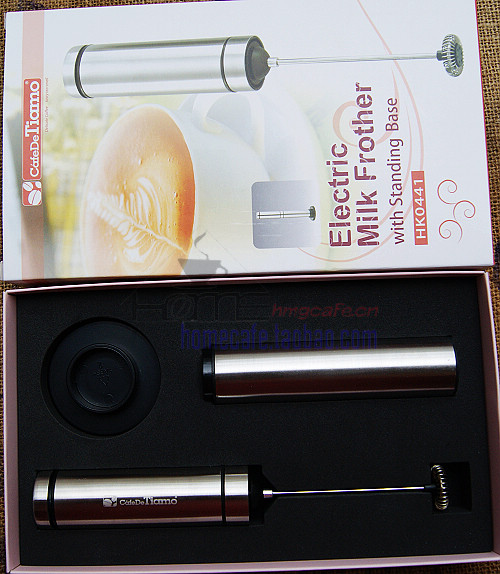
A manual milk frother is a handheld tool designed to create foam by agitating heated milk. Its key feature is a double-layered filter rod—unlike a French press, which has a single layer. Most manual frothers come with a stainless steel pitcher, though plastic and glass versions are also available. This tool isn’t limited to cold milk; it works equally well with warmed milk, making it versatile for hot drinks like cappuccinos.

Why Heating Milk Matters for Frothing
Heating milk before frothing isn’t just about serving temperature—it affects foam quality. Warm milk (typically around body temperature or slightly higher) froths more smoothly and holds its structure better than cold milk. While you can froth cold milk, heating it is essential if you want a proper hot cappuccino or latte. The manual frother excels here, giving you control over both temperature and foam texture.
Choosing the Right Milk for Best Results
Milk type plays a huge role in frothing success. In professional cafés, whole milk like Nestlé’s full-fat variety is commonly used because it froths richly and holds foam well. While cheaper local brands (like Mengniu or Yili) often produce thin or inconsistent foam, Nestlé’s full-fat milk—in spite of its higher supermarket price—is reliable for achieving smooth, velvety microfoam at home. For best results, stick with whole milk and avoid low-fat or non-dairy alternatives unless you’re experimenting.
How to Use a Manual Frother Step by Step
1. Pour fresh whole milk (recommended: Nestlé full-fat) into your stainless steel pitcher.
2. Heat the milk to around 60–65°C (140–149°F)—warm but not boiling.
3. Insert the double-filter rod of the manual frother into the milk.
4. Pump the handle up and down vigorously for 20–30 seconds until a thick foam forms.
5. Swirl the pitcher gently to integrate the foam with the milk before pouring.
Frequently Asked Questions
Can I use a manual frother with cold milk?
Yes, a manual frother can be used with cold milk, but it’s primarily designed for creating foam in warmed milk. Cold milk will foam, but the texture and volume may not be as rich or stable as when using warm milk, especially for hot drinks like cappuccinos.
Do I need a special pitcher for the manual frother?
Most manual frothers come with a stainless steel pitcher, but you can use glass or plastic pitchers as well. The key is that the pitcher accommodates the frother’s rod and allows for easy pumping motion.
Why does my milk foam turn out thin or flat?
Thin or flat foam is often caused by using low-fat milk (like skim or local brands such as Mengniu or Yili), underheated milk, or insufficient pumping. For best results, use whole milk (e.g., Nestlé full-fat), heat it to around 60–65°C, and pump the frother vigorously for 20–30 seconds.
Is a manual frother better than using a steam wand?
A manual frother isn’t “better” than a steam wand, but it’s a more reliable and affordable solution for home setups without strong steam pressure. It gives you consistent foam quality without needing to master steam wand techniques.
What’s the ideal milk temperature for frothing?
The ideal milk temperature for frothing is around 60–65°C (140–149°F). This range ensures the milk is warm enough for smooth foam formation while avoiding scalding, which can ruin foam texture.
Recommended FrontStreet Coffee for Milk-Based Drinks
For cappuccinos and lattes made with hand-frothed milk, try FrontStreet Coffee’s Ethiopia Humbera—a bright, fruity Ethiopian single origin with notes of blueberry and jasmine that pair beautifully with milk. Alternatively, their Yirgacheffe offers floral and citrus tones with a silky body, ideal for highlighting foam texture. For a deeper option, FrontStreet’s Classic Blend delivers chocolatey and nutty tones, balancing sweetness with milk. Freshly roasted within 5 days · Orders placed before 17:00 ship the same day · Next-day delivery across most of Guangdong Province.
FrontStreet Coffee is a long-established specialty coffee roaster in Guangzhou China, selling freshly roasted beans from its own farm in Yunnan as well as dozens of carefully selected single-origin beans from around the world for both pour-over and espresso. The products deliver consistently excellent quality and great value, with shipping within 24 hours. Guangzhou's FrontStreet Coffee shop is recommended by many coffee lovers, and the beans are now available online at the Tmall 。
Important Notice :
前街咖啡 FrontStreet Coffee has moved to new addredd:
FrontStreet Coffee Address: 315,Donghua East Road,GuangZhou
Tel:020 38364473