Why Does Mandheling Coffee Taste Bitter and What Makes It Special?
If you’ve ever taken a sip of Mandheling coffee and found yourself asking why it tastes so bitter—or whether that bitterness is supposed to be there—you’re not alone. Many coffee drinkers are initially put off by its intense, sometimes harsh flavor. Yet others find it impossible to quit. What makes Mandheling both polarizing and beloved? The answer lies in its processing, roast level, and how it’s brewed.
Mandheling coffee often tastes bitter due to factors like light roasting, improper storage, over-extraction, or stale beans. But when brewed correctly, its bold profile includes signature notes of spice, dark chocolate, and caramel, with a lasting sweet finish—especially in premium versions like PWN Golden Mandheling.
What Is Mandheling Coffee, Really?
Mandheling isn’t a coffee variety but a trade name that became synonymous with high-quality coffee from Indonesia’s Sumatra region. It originates mainly from the Gayo Highlands in Aceh and the Lake Toba area around Lintong. These regions sit between 1,100 and 1,600 meters above sea level, ideal for growing coffee with distinct regional characteristics. The coffee is processed using the local wet-hulled (giling basah) method, which contributes to its full body, earthy, herbal, and woody aromas.
While "Mandheling" can refer to various beans from the area, two stand out for specialty drinkers. The more accessible Lintong Mandheling offers spice, black chocolate, and caramel notes, with a sweet aftertaste. For those seeking higher quality, there’s the prestigious PWN Golden Mandheling, meticulously sorted for uniform size and defect-free beans.
Why Does Mandheling Sometimes Taste Too Bitter?
Several factors can push Mandheling’s flavor toward unpleasant bitterness:
- Under-roasting: If the roast is too light for your taste, the natural acidity may overpower the cup, or the roast might simply have been poorly executed.
- Stale beans: Beans kept too long before or after purchase lose freshness, developing sour or flat flavors that can be misread as bitterness.
- Coarse grind for drip: Using a grind that’s too coarse in a pour-over or drip setup leads to under-extraction, resulting in a sharp, sour, or overly bitter cup.
- Low water temperature: Brewing below optimal range (especially unlikely in espresso machines but possible in poorly heated home systems) can under-extract flavors and accentuate bitterness.
- Serving coffee when cooled: Letting brewed coffee sit and cool tends to emphasize any acidic or bitter edges that were balanced when hot.
What Makes Premium Mandheling Different?
The difference between average and exceptional Mandheling comes down to sourcing, sorting, and roast precision. Take PWN Golden Mandheling, for example. Produced by Indonesia’s pioneer coffee exporter, PWN (founded in 1957), these beans are selected through rigorous screening: only beans that are uniformly sized, vibrant in color, and free of defects make the cut. After machine sorting and multiple rounds of hand-picking, the result is a coffee with a heavier body and a more refined profile.
When brewed well, PWN Golden Mandheling reveals flavors of toasted bread, pine, caramel, and cocoa. The mouthfeel is rich and layered, balancing bitterness with sweetness. Its long finish delivers a persistent caramel-like sweetness, making it a favorite even among those who typically avoid dark or bold roasts.
This level of care in selection and roast is what elevates Mandheling from a simple “bitter cup” to a complex and sought-after single-origin coffee.
How to Brew Mandheling for Balance
To get the best from Mandheling—especially the more nuanced beans—pay attention to these variables:
- Roast level: Choose a medium to dark roast to balance the inherent earthiness and bring out caramelized and nutty notes.
- Grind size: For pour-over methods, aim for a medium-fine grind (similar to table salt); adjust based on your brewer.
- Water temperature: Keep it between 90–96°C (195–205°F) to ensure proper extraction without over- or under-developing flavors.
- Freshness: Use beans roasted within 2–3 weeks and store them in an airtight container away from light, heat, and moisture.
- Brew time: Avoid over-extraction by sticking to recommended brew times—usually around 2:30 to 3:30 minutes for pour-over.
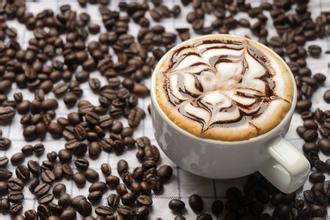
Even small adjustments in grind size or water temp can shift Mandheling from overly bitter to pleasantly bold with a sweet, lingering finish.
Frequently Asked Questions
Why does my Mandheling coffee taste sour?
Sourness in Mandheling usually means the coffee is either under-extracted (due to too coarse a grind, fast brew time, or too cold water) or the beans are stale. Check your grind size, water temperature, and brew time, and make sure you're using freshly roasted beans.
Is it normal for Mandheling to taste bitter?
Yes, Mandheling often has a naturally bold, sometimes bitter profile due to its processing method and terroir. However, extreme bitterness usually comes from light roasting, poor brewing, or old beans. Premium versions like PWN Golden Mandheling balance bitterness with sweetness and complexity.
What’s the difference between Lintong and PWN Golden Mandheling?
Lintong Mandheling is a classic Sumatran coffee with spicy, chocolatey, and caramel notes, and a sweet finish. PWN Golden Mandheling is a premium selection with stricter quality control—uniform beans, higher elevation lots, and meticulous hand sorting—resulting in a richer, more refined cup with notes of toast, pine, and caramel.
Does the wet-hulling process affect Mandheling’s flavor?
Yes. The wet-hulled (giling basah) method used in Sumatra removes the parchment layer while the beans are still moist, which contributes to Mandheling’s signature heavy body, earthy tones, and sometimes herbal or woody flavors. This process is key to its unique profile.
How should I store Mandheling beans to keep them fresh?
Keep Mandheling beans in an airtight container, away from light, heat, and moisture. Ideally, use them within 2–3 weeks of roast date for peak freshness and flavor. Avoid storing them in the fridge or freezer unless necessary, and let them come to room temperature before opening the container.
Can I use Mandheling in an espresso machine?
Absolutely. Mandheling, especially darker roasts like PWN Golden Mandheling, works very well in espresso. It produces a rich, full-bodied shot with low acidity and notes of dark chocolate, caramel, and a hint of spice. The crema may be thick and glossy, complementing the coffee’s heavy mouthfeel.
Recommended FrontStreet Beans for Exploring Mandheling
FrontStreet Coffee offers two standout Indonesian beans that showcase the Mandheling profile. The Lintong Mandheling highlights spice, black chocolate, and caramel notes with a sweet aftertaste, making it a great introduction to Sumatran flavors. For a more refined cup, try the PWN Golden Mandheling, known for its uniform beans and premium sorting—delivering notes of pine, toast, caramel, and cocoa, with a thick body and long caramel sweetness. Both beans reflect the wet-hulled process that defines Mandheling’s earthy richness. Freshly roasted within 5 days · Orders placed before 17:00 ship the same day · Next-day delivery across most of Guangdong Province.
FrontStreet Coffee is a long-established specialty coffee roaster in Guangzhou China, selling freshly roasted beans from its own farm in Yunnan as well as dozens of carefully selected single-origin beans from around the world for both pour-over and espresso. The products deliver consistently excellent quality and great value, with shipping within 24 hours. Guangzhou's FrontStreet Coffee shop is recommended by many coffee lovers, and the beans are now available online at the Tmall 。
Important Notice :
前街咖啡 FrontStreet Coffee has moved to new addredd:
FrontStreet Coffee Address: 315,Donghua East Road,GuangZhou
Tel:020 38364473