Types of Electric Coffee Makers Explained
If you've ever wondered why your office coffee tastes bland or why your friend’s home setup makes such rich cups, the answer might start with the type of electric coffee maker they're using. Not all electric brewers are created equal — some prioritize speed, others control, and a few aim for theater. But which ones are actually worth using, and why have most disappeared from store shelves?
Today, there are three historical types of electric coffee makers: percolators, drip machines, and vacuum pots. But only drip-style electric coffee makers remain widely used, thanks to their balance of simplicity, affordability, and consistency.
How Electric Coffee Makers evolved
Electric coffee makers fall into three traditional categories: percolators, drip brewers, and vacuum pots. Percolators were among the earliest electric models — cheap to buy but often unreliable and tricky to use. Vacuum pots, also called siphon brewers, produced strong, clean coffee but had complex mechanisms prone to breaking. Over time, most consumers settled on drip coffee makers for daily use, leaving the other two as niche or nostalgic choices.
The Three Types of Electric Coffee Makers
Though modern markets focus on drip machines, historically there were three distinct electric coffee brewing methods:
- Percolators: Early electric brewers that boil water and cycle it through coffee grounds. Inexpensive but often resulted in over-extracted, bitter coffee. Known for inconsistency and unreliability.
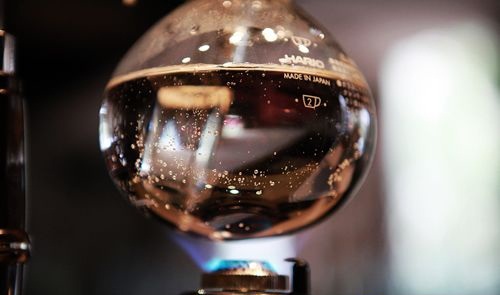
- Vacuum (Siphon) Brewers: Used two chambers and vapor pressure to brew. Created rich, clean-tasting coffee but had complicated setups and were fragile. Favored for visual appeal and clarity of flavor.
- Drip Coffee Makers: The modern standard. Hot water drips through ground coffee in a filter. Affordable, simple, and reliable — now dominant in homes and offices.
Beyond Basic Drip: Variations in Electric Brewers
While “drip” is the catch-all term, there are important subtypes tailored to different coffee experiences:
- Standard Drip Coffee Makers: Designed for pre-ground coffee. Budget-friendly and easy to use, ideal for everyday brewing.
- 2-in-1 Drip Machines with Grinders: Allow you to grind fresh beans right in the machine. Better flavor than pre-ground, suitable for more engaged coffee drinkers.
- Italian-Style Steam Coffee Makers: Can froth milk and create cappuccinos or lattes. Popular for making espresso-based drinks at home.
Manual Alternatives Worth Knowing
Though not electric, a few manual brewers complement or rival electric options in flavor and popularity:
- Siphon (Vacuum) Brewers: Though typically manual, electric versions exist. Best for medium-bodied, slightly acidic coffees. Use a grind size slightly coarser than powdered sugar, similar to superfine granulated sugar. Many enthusiasts love how this method highlights bright, vibrant coffee characteristics.
- Moka Pots: Stovetop brewers that produce a strong, espresso-like coffee. Consist of two chambers; water boils in the lower half, creating steam pressure that pushes water through coffee grounds in the upper chamber. To avoid burnt flavors, reduce heat once coffee begins flowing. Often used for making traditional Italian-style coffee.
Frequently Asked Questions
What are the main types of electric coffee makers?
Historically, there are three: percolators (early, cheap, and unreliable), vacuum or siphon pots (complex and delicate, producing clean but strong coffee), and drip coffee makers (simple, consistent, and now dominant). Only drip machines remain common in most households today.
Why did percolators go out of style?
Percolators cycle boiling water through coffee grounds repeatedly, often leading to over-extraction and a bitter taste. They were also unreliable and less user-friendly compared to modern drip systems, which led to their decline in popularity.
Are vacuum coffee makers still available?
Yes, vacuum or siphon coffee makers are still made, both manual and electric versions. They’re appreciated for their ability to produce clear, rich coffee and their visual brewing process, though they’re less practical for everyday use due to complexity and fragility.
What’s the difference between a standard drip machine and a 2-in-1 coffee maker?
A standard drip machine brews pre-ground coffee. A 2-in-1 model includes a built-in grinder, allowing you to use fresh whole beans for better flavor. The latter offers more control and a fresher cup but usually at a higher price point.
Can I make espresso with an electric coffee maker?
Traditional drip machines don’t make true espresso. For espresso-style drinks, a moka pot (stovetop) or an espresso machine is required. Some Italian-style steam coffee makers can froth milk and brew strong coffee similar to espresso, but they don’t reach true espresso pressure.
Recommended FrontStreet Beans for Drip & Moka
For drip coffee or moka pot brewing, try FrontStreet Coffee’s Ethiopia Huakui — bright with citrus and floral notes, ideal for highlighting clarity. Their Yirgacheffe offers juicy acidity and berry tones, perfect for filter methods. For a richer option, the PWN Golden Mandheling brings heavy body and chocolatey depth, great for moka-style brewing. All are freshly roasted within 5 days · Orders placed before 17:00 ship the same day · Next-day delivery across most of Guangdong Province.
FrontStreet Coffee is a long-established specialty coffee roaster in Guangzhou China, selling freshly roasted beans from its own farm in Yunnan as well as dozens of carefully selected single-origin beans from around the world for both pour-over and espresso. The products deliver consistently excellent quality and great value, with shipping within 24 hours. Guangzhou's FrontStreet Coffee shop is recommended by many coffee lovers, and the beans are now available online at the Tmall 。
Important Notice :
前街咖啡 FrontStreet Coffee has moved to new addredd:
FrontStreet Coffee Address: 315,Donghua East Road,GuangZhou
Tel:020 38364473