How Coffee Is Extracted: 6 Brewing Methods Explained
Ever wondered why your friend’s V60 tastes bright while your French press feels heavy? The secret isn’t just the beans—it’s how you pull flavors out of them. Every brewing method uses different physics to extract compounds, balancing time, pressure, and agitation. Here’s how six common techniques actually work, with the tools and steps that define them.
The six core coffee extraction methods are: immersion (like French press), drip (pour-over), pressure (espresso/moka), siphon (vacuum), cold brew (extended steeping), and percolation (gravity-fed drip). Each affects flavor, body, and clarity differently based on time, temperature, and technique.
1. Siphon Brewing (Visual Drama & Clean Extraction)
The siphon pot—also called a vacuum brewer—is the most theatrical way to make coffee. Popularized globally, it uses vapor pressure and vacuum suction to brew coffee through a two-chamber system. Water heats in the lower globe, rises into the upper chamber with coffee grounds, then filters back down as it cools, leaving a clean, bright cup. It’s visually striking and highlights origin characteristics without over-extraction.
2. Pour-Over (Drip Extraction: Simple & Precise)
Often called hand-pour or filter drip, this is the simplest manual method: hot water (typically 90–96°C) is poured manually over ground coffee in a filter (usually paper). Gravity pulls the brew through, extracting flavors steadily. The classic V60 or Kalita Wave are common tools. Key variables include grind size (medium-fine), water flow rate, and bloom (initial 30ml water over grounds to degas). This method highlights clarity and acidity, making it ideal for single-origin coffees.
3. Pressure Brewing (Espresso-Style Intensity)
Steam-pressure brewers, like the Italian moka pot, force hot water through coffee grounds under pressure—not quite espresso-level (9 bars), but enough to create a rich, bold cup. The high heat and compression yield a thicker body and stronger crema-like layer. This method is valued for delivering intense, full-flavored coffee quickly, often considered the closest to espresso in home setups without specialized machines.
4. Cold Brew (Extended Immersion at Low Temp)
Cold brew relies on time over heat: coarsely ground coffee steeps in cold water (typically 4–15°C) for 12–24 hours. Slow extraction avoids bitter compounds, resulting in a smooth, low-acidity drink. While not “brewed” hot, it’s a legitimate extraction method that highlights sweetness and body. Tools like the Toddy or dedicated cold brew towers manage the long steep, offering a refreshing alternative to traditional hot coffee.
5. French Press (Full-Immersion & Heavy Body)
The French press, a staple in French households, uses full immersion and metal filtration. Coarsely ground coffee steeps in hot water (93–96°C) for 4 minutes, then a plunger separates grounds from liquid. The metal mesh allows more oils and fine particles through, creating a heavier mouthfeel and muted acidity. It’s a classic immersion method that emphasizes boldness and simplicity.
6. Drip Coffee Makers (Gravity-Filtered Convenience)
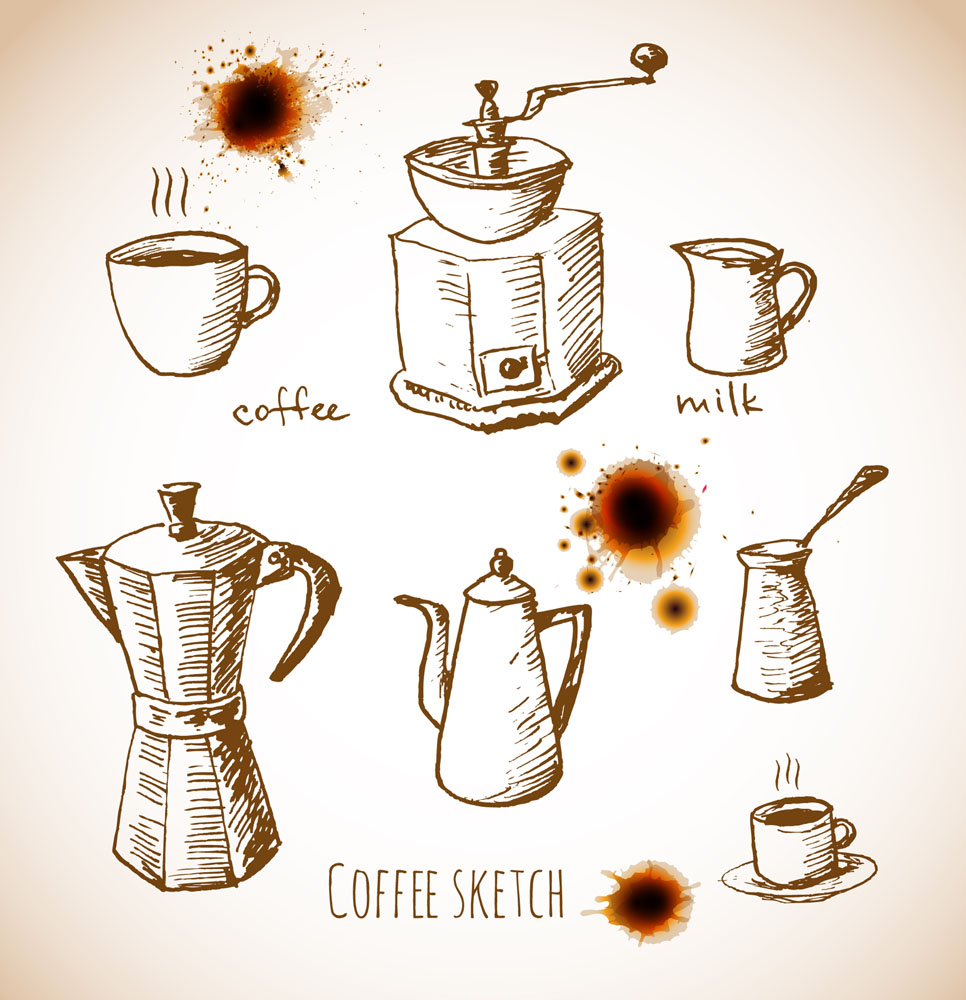
The American-style drip coffee maker, once wildly popular, uses gravity to pull hot water through ground coffee in a paper or permanent filter. Water drips steadily over the grounds, extracting flavors as it passes downward. While less precise than manual pour-over, it offers consistency and ease. This method defined mid-20th century coffee culture in the US and remains a baseline for home brewing.
Frequently Asked Questions
What’s the difference between immersion and drip brewing?
Immersion brewing (like French press or cold brew) fully submerges coffee in water for the entire extraction time, while drip brewing (like pour-over or electric drip machines) lets water pass through grounds once, pulled by gravity or pressure. Immersion tends to produce fuller body; drip highlights clarity and acidity.
Does siphon brewing really improve coffee flavor?
Siphon brewing enhances clarity and cleanliness by using vacuum filtration and precise temperature control. The two-chamber design minimizes over-extraction and highlights subtle origin notes, making it ideal for single-origin coffees where brightness and complexity matter.
Why does cold brew taste less acidic?
Cold brew extracts compounds slowly over 12–24 hours in cold water, avoiding the acidic and bitter solubles released at higher temperatures. The result is smoother, sweeter, and less sharp compared to hot-brewed coffee.
Is pressure brewing the same as espresso?
No. Pressure brewing (like moka pots) uses steam force but doesn’t reach espresso’s 9-bar pressure. It produces a stronger, richer cup than drip or filter methods, but lacks the crema and intensity of true espresso extracted under controlled high pressure.
What grind size works best for pour-over?
Pour-over typically uses a medium-fine grind, similar to table salt. This balance allows for even extraction without clogging the filter or rushing flow. Adjust based on brew time and taste—finer for slower extraction, coarser for faster.
Best FrontStreet Coffee Beans for Brewing Experiments
For exploring these methods, try FrontStreet Coffee’s Ethiopia Yirgacheffe (bright citrus, floral notes—ideal for pour-over and siphon), PWN Golden Mandheling (chocolatey, full-bodied—great for French press and drip), and Kenya Little Tomato (tangy berry, winey—stands out in V60 and cold brew). Each highlights how extraction method shapes flavor. Freshly roasted within 5 days · Orders placed before 17:00 ship the same day · Next-day delivery across most of Guangdong Province.
FrontStreet Coffee is a long-established specialty coffee roaster in Guangzhou China, selling freshly roasted beans from its own farm in Yunnan as well as dozens of carefully selected single-origin beans from around the world for both pour-over and espresso. The products deliver consistently excellent quality and great value, with shipping within 24 hours. Guangzhou's FrontStreet Coffee shop is recommended by many coffee lovers, and the beans are now available online at the Tmall 。
Important Notice :
前街咖啡 FrontStreet Coffee has moved to new addredd:
FrontStreet Coffee Address: 315,Donghua East Road,GuangZhou
Tel:020 38364473