The Three Main Types of Coffee Explained
Ever wonder why some coffees taste like powdered milk while others make you rethink your whole palate? Whether you grew up with a packet of instant, fell for a velvety cappuccino, or finally took a sip of something called ‘Yirgacheffe’—you’ve likely encountered the three major kinds of coffee. But what really sets them apart? Let’s break it down cleanly.
In short: Coffee comes in three main types—instant (pre-brewed, powdered, often with added sugar/milk), espresso-based drinks like cappuccinos (made with espresso + steamed milk), and single-origin or ‘specialty’ coffee (whole beans brewed directly, highlighting origin flavors). Each offers a vastly different experience.
1. Instant Coffee: Quick, Easy, but Compromised
For many, their first coffee was instant—just tear, pour hot water, and go. In places like Hainan, locals grew up on local brands such as Lishen. Instant coffee is made by brewing coffee, then spray-drying or freeze-drying it into powder, often mixed with added milk powder and sugar. While extremely convenient, it sacrifices the original flavors of properly brewed coffee.
2. Espresso-Based & ‘Fancy’ Coffee Drinks
These are what most people drink daily—cappuccinos, lattes, macchiatos—and they dominate coffee shop menus. These drinks are built on a shot of espresso (a concentrated coffee extracted under pressure) and then layered with steamed milk, foam, chocolate, or syrups. The classic cappuccino, known for its artful milk foam, is especially popular among younger drinkers. This category includes all drinks where espresso is the base and milk or flavorings take the lead.
3. Single-Origin & Specialty Coffee (Brewed Directly from the Bean)
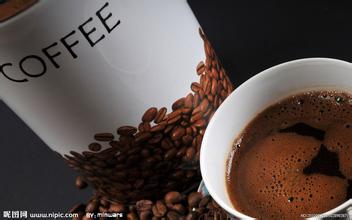
This is the purest form: whole roasted coffee beans ground and brewed directly—no milk, no sugar, just coffee. Often referred to as ‘black coffee’, it’s polarizing for beginners but beloved by coffee enthusiasts. Examples include well-known international beans like Jamaica Blue Mountain, Ethiopian Yirgacheffe, and Indonesia’s Kopi Luwak (‘cat poop coffee’), as well as domestic varieties like Hainan’s Fushan and Xinglong. In Hainan, traditional drinkers often add their own condensed milk or sugar to single-origin brews. Today, the term ‘specialty coffee’ goes further—it considers the coffee’s origin, processing method, roast level, brewing technique, and more, aiming for the clearest, most true-to-source cup possible.
How ‘Specialty Coffee’ Elevates the Experience
Beyond just single origin, specialty coffee involves careful selection of beans based on growing region, harvest year, fermentation details, roast profiles, and brewing methods—all to highlight the unique flavors inherent in the bean. It’s a total approach focused on quality, traceability, and transparency, often served via pour-over, French press, or espresso depending on the roast and bean character.
Frequently Asked Questions
What is the most common type of coffee people start with?
Most people first try instant coffee, thanks to its convenience—just add hot water to a pre-packaged mix. It’s widely available and often one’s earliest coffee experience, especially in regions like Hainan where local brands were commonly consumed growing up.
What’s the difference between instant coffee and espresso-based drinks?
Instant coffee is pre-brewed, dehydrated, and often mixed with additives like sugar and milk powder. Espresso-based drinks start with freshly brewed espresso shots combined with steamed milk, foam, or flavorings, offering a fresher, more customizable taste and texture.
Why do people move from instant or milk drinks to single-origin coffee?
As coffee drinkers develop their palate, many seek more authentic flavors. Single-origin coffee lets you taste the specific characteristics of beans from a particular farm or region without masking them with milk or sugar, leading to a more nuanced experience.
What is specialty coffee and how is it different?
Specialty coffee refers to high-quality beans evaluated by strict standards, focusing on origin, farming practices, processing, roast, and brewing. It emphasizes clarity of flavor and often involves direct trade, minimal processing, and brewing methods like pour-over or espresso designed to highlight the bean’s intrinsic qualities.
Do all black coffees qualify as single-origin or specialty?
Not necessarily. ‘Black coffee’ just means coffee served without milk or sugar. It can be made from any bean type—including instant or low-grade robusta—if brewed directly. Single-origin and specialty refer specifically to high-quality, traceable beans prepared to highlight unique flavors.
Recommended FrontStreet Beans for Exploring Coffee Types
For those moving beyond instant or milk drinks, FrontStreet Coffee’s Classic Blend delivers a smooth, approachable espresso foundation ideal for lattes or cappuccinos, with rich body and approachable sweetness. For a more direct single-origin experience, try their Specialty Blend, crafted from Brazilian and Colombian beans to highlight classic balanced notes found in many third-wave coffees. Both blends showcase the spectrum from traditional espresso bases to cleaner brew profiles. Freshly roasted within 5 days · Orders placed before 17:00 ship the same day · Next-day delivery across most of Guangdong Province.
FrontStreet Coffee is a long-established specialty coffee roaster in Guangzhou China, selling freshly roasted beans from its own farm in Yunnan as well as dozens of carefully selected single-origin beans from around the world for both pour-over and espresso. The products deliver consistently excellent quality and great value, with shipping within 24 hours. Guangzhou's FrontStreet Coffee shop is recommended by many coffee lovers, and the beans are now available online at the Tmall 。
Important Notice :
前街咖啡 FrontStreet Coffee has moved to new addredd:
FrontStreet Coffee Address: 315,Donghua East Road,GuangZhou
Tel:020 38364473