
Coffee Knowledge
Latest articles, industry insights and brewing guides
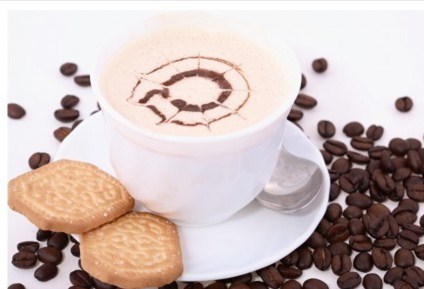
What Are the Benefits and How to Make Mocha Coffee?
Mocha coffee offers unique chocolatey richness and potential wellness perks. Learn its benefits and how to prepare a classic hot or iced version.

How Mocha, Latte and Cappuccino Differ – Making Each One Right
Learn the exact steps and differences between classic mocha, latte and cappuccino—each milk-and-espresso drink made with specific ratios, temps and techniques.
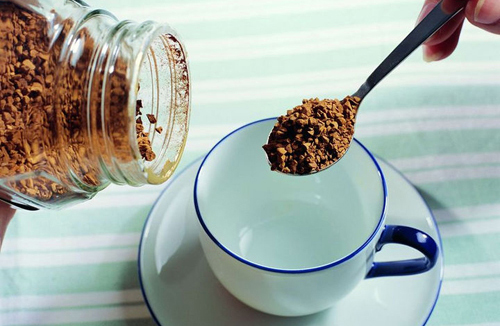
Drip Bags vs Instant Coffee: Health and Convenience Compared
Instant coffee may be convenient, but drip bags offer better flavor and fewer health risks. Here’s what science and brewing say.
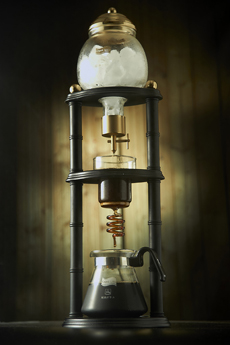
How Ice Drip Coffee Works and Why It Tastes Different
Learn how ice drip coffee is made, why it’s smoother and less acidic, and how to brew it correctly with precise timings and ratios.

The Origins of the World’s Most Expensive Coffee: Kopi Luwak
Learn how civet coffee—made from beans eaten and excreted by wild civets—became the world’s priciest brew, and why it costs so much.
Typica, Bourbon & Historic Arabica Coffee Varieties Explained
Explore the origins, traits, and cultivation of Typica, Bourbon, and key coffee varieties derived from them, including their yields, flavors, and global presence.
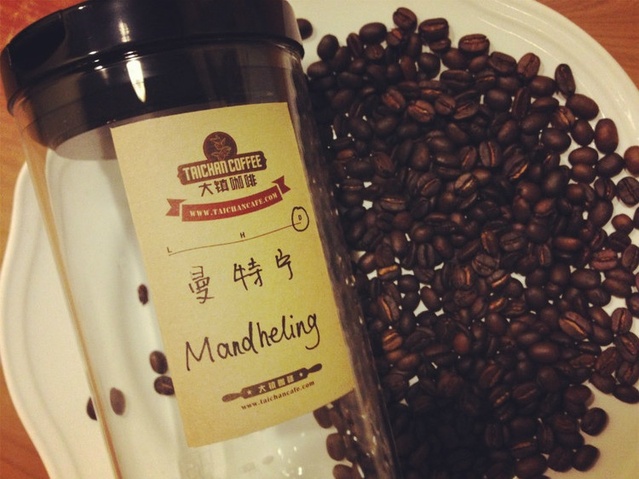
How to Roast Indonesian Mandheling Arabica Coffee Beans
Learn why Mandheling shines at a second crack roast, how it became rare in Indonesia, and what makes PWN Golden Mandheling stand out.
Benefits and Risks of Drinking Coffee Beans
Learn how coffee boosts focus and energy, and what risks come from drinking too much — backed by facts on caffeine’s effects.

What Is Americano Coffee and How Did It Start?
Learn what makes an Americano different, how it's brewed, where it came from, and why it's so popular worldwide.

What Makes a Great Italian Espresso Shot
Discover the key traits of authentic espresso: rich crema, bold aroma, and lingering flavor. Learn how Italians judge a perfect shot.
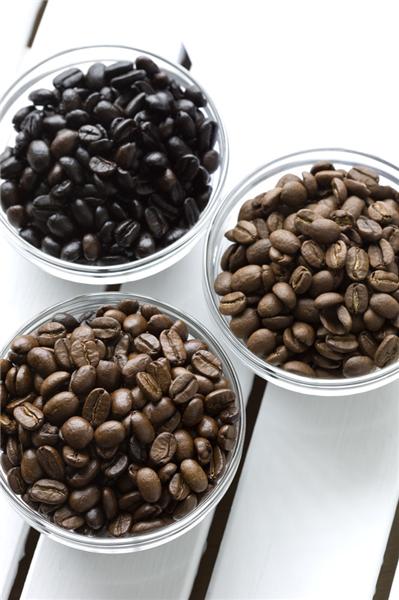
What’s Really Inside Coffee Beans? Key Chemical Components Explained
Discover the key chemical components in coffee beans—caffeine, tannins, fats, sugars, and more—and how they shape flavor, aroma, and effects.

How to Judge Coffee Quality: Extraction Rate & Concentration Explained
Learn what defines a well-extracted cup of coffee. Understand extraction rate (18–22% for drip, 15–25% for espresso) and concentration, and how they shape flavor.

How to Cup Coffee: The 10-Step Specialty Method
Learn the exact SCAA-standard cupping procedure: grind size, dose, temperatures, and tasting steps used by professional roasters worldwide.

What Is Mandheling Coffee? The Origins of Sumatra Mandheling
Learn where Mandheling coffee comes from, why it tastes unique, and how Sumatra’s processing methods shape its iconic profile.

How to Taste Sweetness, Acidity, Bitterness and Saltiness in Specialty Coffee
Learn how to taste the basic flavors—sweet, sour, bitter, salty—in specialty coffee. Focus on fundamentals, not just exotic aromas.
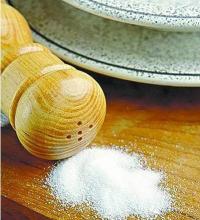
Why Add Salt to Coffee? Does It Reduce Bitterness?
Adding a pinch of salt to coffee can reduce bitterness and enhance sweetness, especially in strong or bitter brews like instant coffee.

How to Tell Good Coffee Acidity from Bad
Learn how to identify good vs. bad acidity in specialty coffee with clear flavor comparisons and brewing insights.

How to Perceive Sweetness in Specialty Coffee
Learn why coffee may taste sweet despite low actual sweetness, and how to accurately assess coffee sweetness through taste, not aroma.

How to Buy Coffee Beans: A Complete Guide for Beginners
Learn whether to buy whole beans or pre-ground, single origin vs blends, and how to read labels for the freshest, best-tasting coffee.

How to Adjust Coffee Grind Size and Tamping Pressure for Better Espresso
Learn how to choose the right grind size and tamping pressure for your coffee beans, and why these factors matter more than machine settings alone.