
Coffee Knowledge
Latest articles, industry insights and brewing guides

What Does 90+ Coffee Mean? The Story Behind the Score
90+ Coffee refers to beans scoring 90 points or higher, often achieving 95–97 in professional evaluations. Learn about its Ethiopian roots and patented processing.

How to Roast Coffee Beans in an Oven
You can roast green coffee beans in your home oven. It works best with a perforated tray and consistent stirring every few minutes.

How to Roast Coffee Beans at Home: Step-by-Step Guide
Learn how to roast coffee beans at home, understand roast levels, and recognize key sounds and color changes during the roast.

Uganda Coffee Guide: Bugisu and Wugar Origins Explained
Learn which Ugandan coffee grades offer the best cup—Bugisu AA, A, and PB—with detailed insights on regional flavor differences.

How to Identify and Choose Quality Robusta Coffee Beans
Learn how to spot Robusta coffee beans by shape, color, and origin, and understand why they differ from Arabica in taste and growing conditions.

Why You Should Rest Coffee Beans Before Brewing
Freshly roasted coffee needs time to degas—1 to 3 days for light roasts, 3 to 5 for dark. Peak flavor lasts 2 to 3 weeks post-rest.

What Is Medium Roast Coffee and Why It’s So Popular
Find out why medium roast coffee strikes the best balance for most drinkers, with recommended FrontStreet beans and flavor profiles explained.

How to Roast Coffee Beans at Home Using an Oven or Pan
Learn how to roast green coffee beans at home with your oven or a basic rice cooker. Follow clear steps for light to dark roasts in under 15 minutes.

How to Use a Moka Pot Safely and Avoid Common Mistakes
Learn how to brew with a moka pot safely, including water levels, heat control, and tips for making milk coffee at home.

How to Roast Coffee at Home Using a Pan Method
Learn how to roast green coffee beans at home using a simple pan method popular in Japan and Korea, with step-by-step guidance.

9 Unique Specialty Coffee Drinks from Around the World
Explore nine distinctive global coffee styles including Viennese, Irish, and Turkish coffee, plus quirky drinks like Suspended Coffee.

How Many Cups of Coffee Is Too Much?
Four cups of coffee a day may lower melanoma risk and are generally safe, but daily caffeine intake should stay under 600mg.

What Is Coffee Cupping and How Is It Done
Learn why cupping is essential for evaluating specialty coffee, the official SCAA method, and how to taste coffee like a professional roaster.

How SCAA Defines Specialty Coffee Quality
Discover how the SCAA evaluates specialty coffee through aroma, acidity, balance, and production ethics, plus the COE excellence system.

Specialty vs Commercial Coffee Beans: What’s the Difference?
Learn why specialty coffee beans taste better than commercial ones, how farming choices affect flavor, and why cupping matters more than ever.
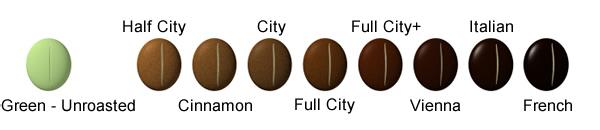
How Coffee Roast Curves Shape Flavor and Color
Learn how roast curves impact coffee color and taste, from first crack to second, and why each batch needs a tailored approach.
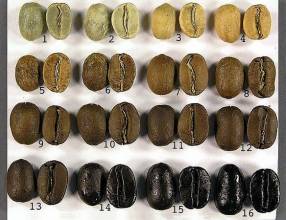
How Heat Transfer Shapes Different Coffee Roast Levels
Learn how conduction, convection, and radiation control roast profiles. Discover why improper heat application leads to underdeveloped or baked beans.

How French Roast Works: Coffee Roasting Stages Explained
Learn how French roast develops its bold flavor through high-heat pyrolysis, with key changes in weight, volume, and chemical structure.
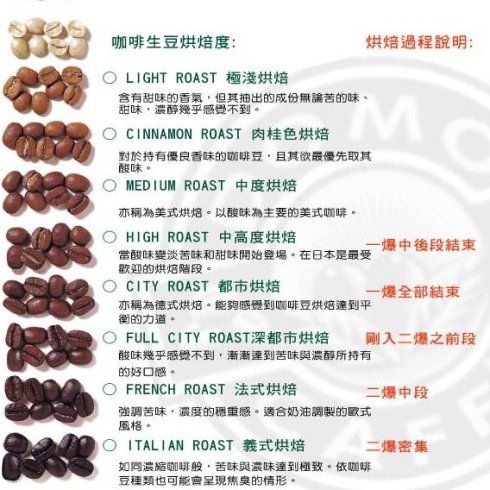
Understanding Coffee Roast Levels and Their Flavor Impact
Learn how Agtron numbers define roast levels and how roast depth affects acidity, sweetness, and body in your coffee.
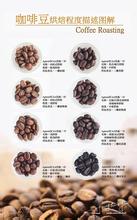
Coffee Roast Levels: 8 Stages of Flavor & Color
Explore the 8 roast levels of coffee beans, from Light to Italian, with key temperatures, flavors, and color traits for each stage.