
Coffee Bean
Latest articles, industry insights and brewing guides
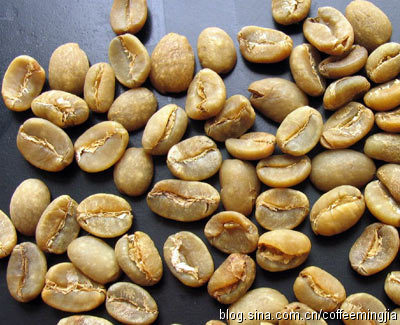
How Coffee Growers Grade Raw Coffee Beans
Learn the 3 key ways coffee producing countries grade green beans — altitude, bean size, and defect rates — and how they impact quality.

How Coffee Beans Are Processed: Natural, Washed & Honey Methods Explained
Learn the three main coffee processing methods—natural, washed, and honey—and how each affects flavor, cost, and quality.
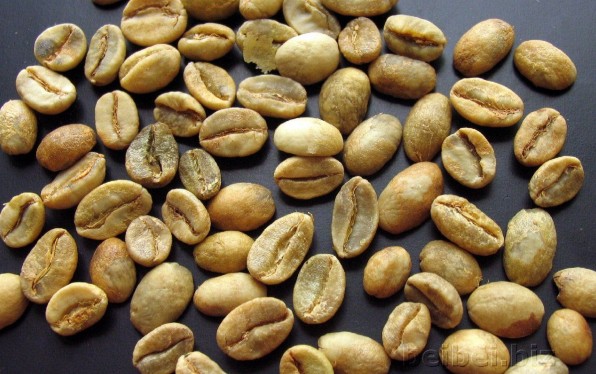
Ethiopia Mocha Coffee Beans: What Makes Them Special
Learn why Ethiopia Mocha beans are prized for their wine-like acidity, bold aroma, and high yield. Discover their origins and flavor distinctions.

Tanzania PB Coffee Beans: What Makes Peaberry Special?
Tanzania PB (Peaberry) coffee beans are a rare mutation valued for their concentrated flavor. Most come from Mount Kilimanjaro and have bright, clean acidity with fruity and nutty notes.

Kenya AA Coffee Beans: What Makes Them Special?
Kenya AA green coffee beans are celebrated for their intense fruit acidity and complex flavors. Grown at high altitudes and processed with precision, they deliver a bright, wine-like cup.

What Is Colombian Supremo Coffee? All You Need to Know
Colombian Supremo beans are large, high-grade green coffee graded under strict export standards. Learn their origins, flavor profile, and ideal brewing setup.
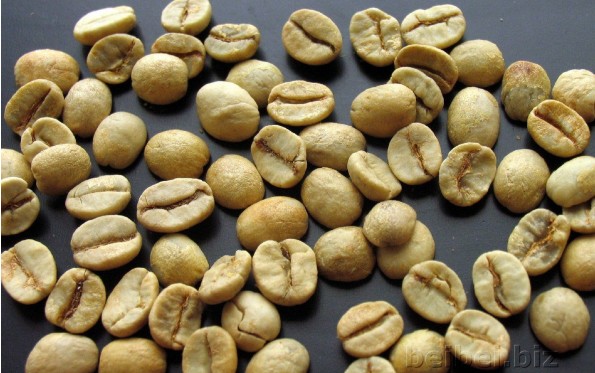
What Is Santos Coffee? Brazil’s Most Famous Green Bean
Santos is the only high-grade Brazilian coffee, grown near São Paulo from Bourbon-descended trees. Most other Brazilian beans go to instant coffee.
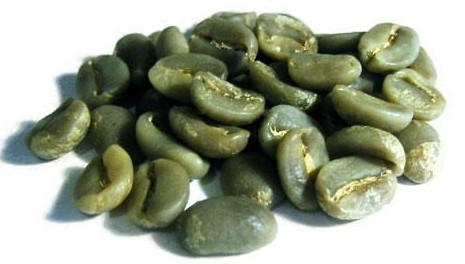
What Makes Hawaiian Kona Extra Fancy Coffee Special?
Discover why Hawaiian Kona Extra Fancy coffee is highly prized, from its ideal growing conditions to strict quality grading.

Rare Specialty Coffee Beans from Around the World
Discover lesser-known global coffee origins and varieties like Saint Helena Bourbon and Galapagos Typica, each with unique profiles.

How to Identify and Classify Common Coffee Defect Beans
Learn how to spot 10 types of coffee defect beans, why they form, and why removing them improves cup quality.
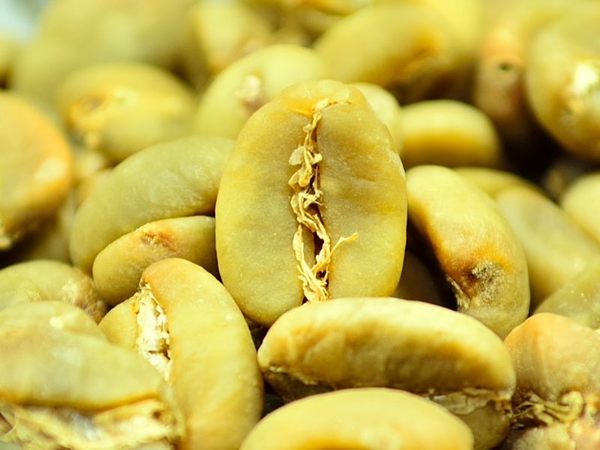
How Coffee Beans Are Processed from Harvest to Export
Coffee cherries become green beans through pulping, fermentation, drying, and sorting—each step critical to flavor. Here’s exactly how it works.

How Coffee Beans Travel: From Seed to Roast
Coffee beans travel thousands of miles by sea, affecting flavor and often inspiring unique processing methods like India’s monsoon-aged coffee.

Guatemala Coffee Guide: 8 Unique Regions Explained
Explore Guatemala’s eight distinct coffee-growing regions, each with unique altitudes, soils, and flavor profiles, from Antigua to New Oriente.

Coffee Leaf Rust: The Disease That Devastated Global Coffee Farms
Learn how coffee leaf rust, caused by Hemileia vastatrix, nearly wiped out entire coffee regions and how growers fight back today.

Robusta Coffee Beans: What Makes Them Different?
Robusta coffee (Coffea canephora var. robusta) has twice to three times more caffeine than Arabica and thrives in hot, low-altitude regions. Here's what sets it apart.

Single Origin Coffee Beans by Region: A Global Guide
Explore the major growing regions and standout single origin coffee bean varieties from Latin America, Africa, Asia, and beyond.

Guatemala’s 8 Specialty Coffee Regions: Flavors & Profiles
Explore the distinct flavor profiles and growing conditions of Guatemala’s eight key coffee-producing regions, from Acatenango to San Marcos.

What Is Peaberry Coffee? Specialty Bean Facts Explained
Peaberry coffee, or caracoli, is a rare mutation where a single rounded bean forms instead of two flat ones. Learn why it happens and whether it tastes better.

Nekisse Coffee Beans: Ethiopia’s 96-Point Natural Sidamo
Learn why Nekisse scored 96 from Coffee Review, with rich fruit notes and layered depth from Ethiopia’s Sidamo region.

Ethiopian Harar Coffee: History, Flavor & Processing
Explore Harar coffee’s unique dry-processed profile, high-altitude origins, and complex fruit-spice flavors compared to Yirgacheffe.