
Coffee Bean
Latest articles, industry insights and brewing guides
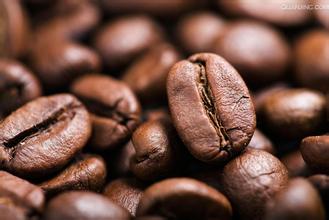
What Chemicals Are Actually in Your Coffee?
A cup of coffee brewed with traditional methods contains over 200 compounds; espresso methods can extract up to 1,500. Here’s what’s really in your brew.
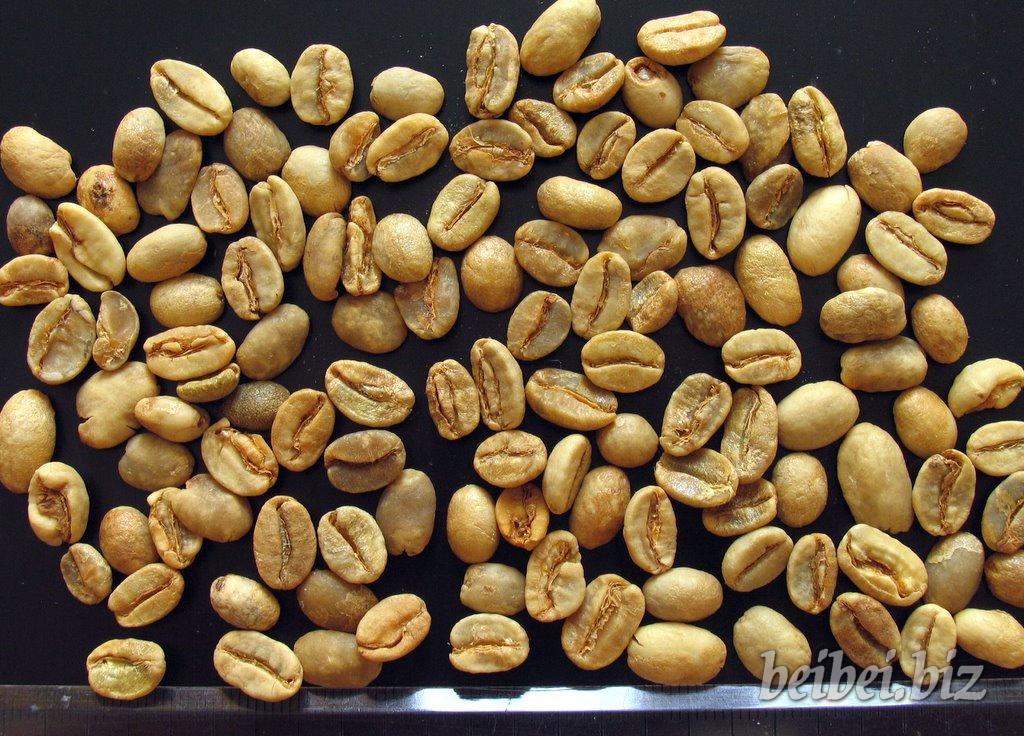
Ethiopian Harar Mocha: Flavor Notes & Roast Impact
Light-roasted Harar mocha shows citrus in siphon brew. Discover its unique traits, grade 5 appearance, and how roast level shapes flavor.

Yemen Mocca Matari: What Makes This Coffee Special
Explore Yemen Mocca Matari, a high-altitude, naturally processed Arabica known for bold fruitiness, wine-like acidity, and rich chocolate notes.

What Makes Cuban Cubita Coffee Special?
Learn why Cuban Cubita coffee is rare, how it’s grown in Escambray, and what gives it its smooth, sweet profile despite US sanctions.

Cuban Coffee Beans: What Makes Them Unique?
Learn why Cuban coffee is rare, how it’s grown in the Escambray highlands, and what makes Cubita beans distinct in flavor and sourcing.
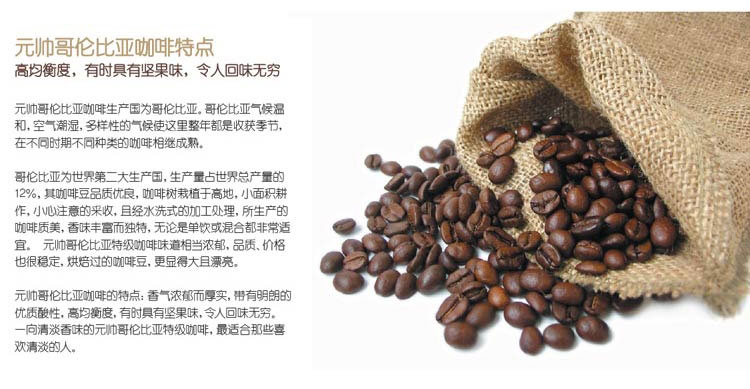
Colombia Coffee Regions and Bean Profiles Explained
Explore Colombia’s major coffee-growing regions and what makes its beans distinct—Huila, Nariño, Sierra Nevada, and more.
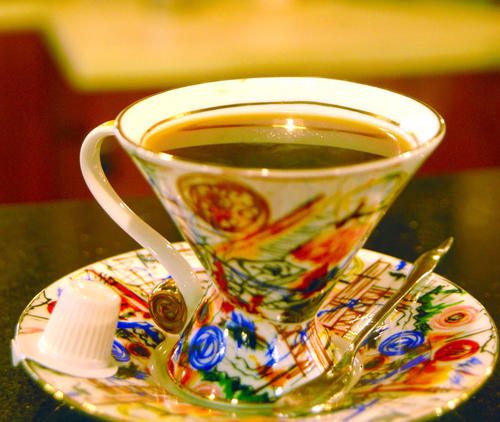
What Is Japanese Charcoal Roast Coffee and How to Brew It
Learn what Japanese charcoal roast coffee is, its intense flavor profile, and how to brew it using 86°C water and 8–10g of dark roasted beans.
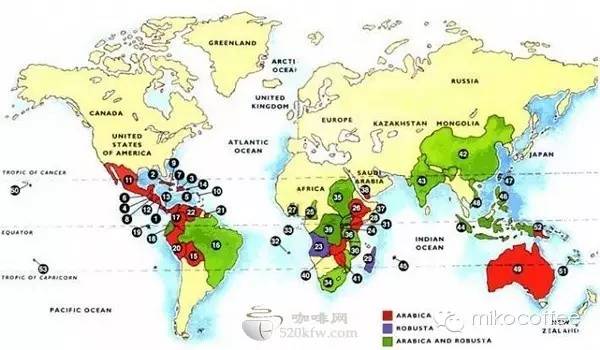
World’s Top 53 Coffee Origins: Start With Costa Rica, Cuba & More
Explore the first in a series on 53 global specialty coffee origins, starting with Costa Rica, Cuba, Dominican Republic, El Salvador and others.
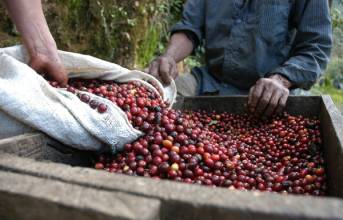
Kenyan Coffee: What Makes It So Special?
Kenyan coffee is prized for its rich aroma, balanced acidity, and fruity flavors. Grown at high altitudes with careful processing, it’s a favorite among specialty roasters.
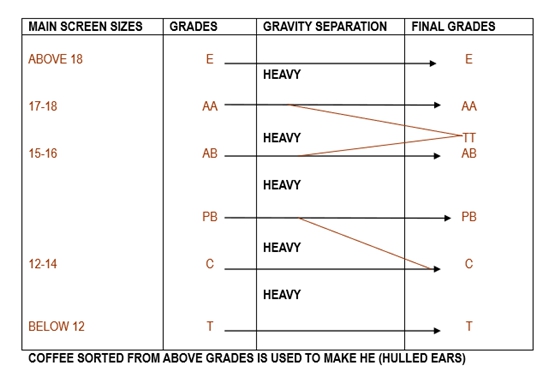
Kenya Coffee Grading Explained: From AA to MBUNI
Learn how Kenyan coffee is graded by size, density, and processing method — including AA, AB, PB, and more.
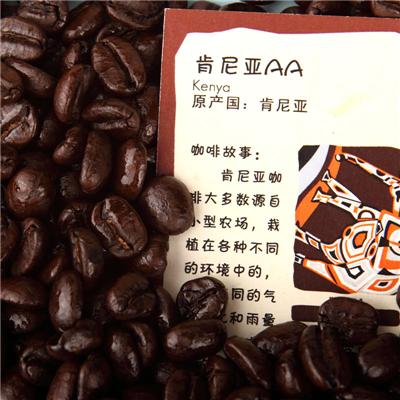
Kenya AA Coffee Beans: What Makes Them Special
Kenya AA coffee beans are known for their bold acidity and fruity complexity. Grown at high altitudes and processed with unique methods, they deliver a bright, wine-like cup.

16 Single-Origin Specialty Coffee Beans Explained
Explore 16 specialty coffee beans from around the world, detailing each origin’s unique flavor, processing method, and profile.
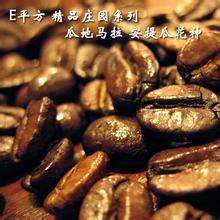
Guatemala Antigua Flora: Washed Coffee with Floral Notes
Discover why Guatemala’s Antigua Flora coffee stands out with its floral aroma, medium body, and smooth acidity from high-altitude volcanic soil.
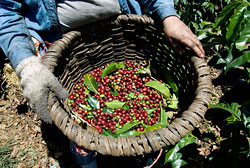
Americas Coffee Regions: Flavor Profiles & Origins
Explore the distinct coffee profiles and histories of major coffee-growing countries in the Americas, from Costa Rica to Guatemala.
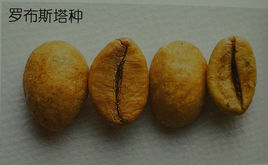
What Is Robusta Coffee? The Full Guide to This Bold Bean
Learn why Robusta coffee is used, how it differs from Arabica, and where high-quality versions are changing perceptions in specialty coffee.
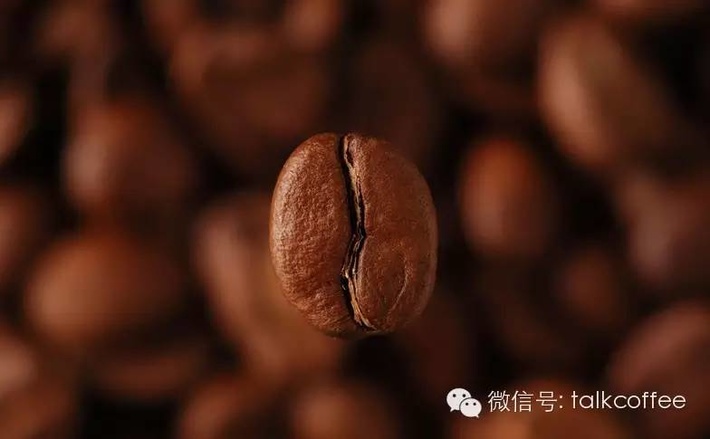
Natural vs Washed Coffee Processing: How to Choose
Learn the differences between natural and washed coffee processing, how they affect flavor, and how to pick the best beans for your cup.
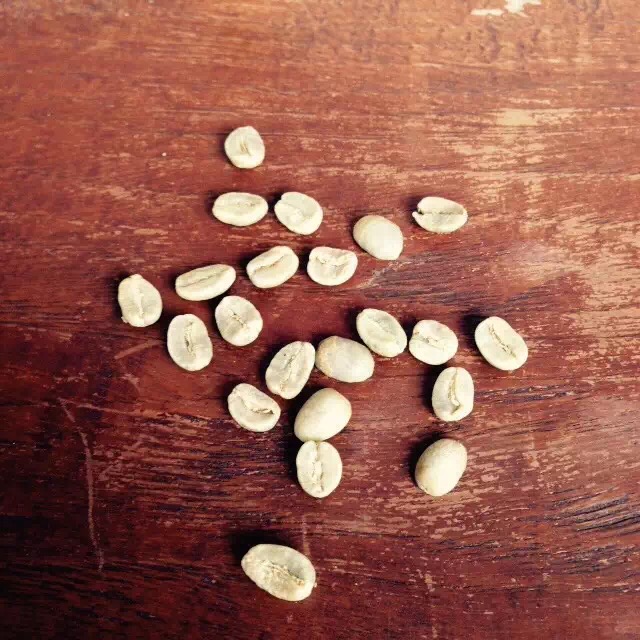
How to Visually Assess Specialty Green Coffee Beans
Learn 10 key visual indicators to evaluate green coffee bean quality before roasting, from uniformity to defects.
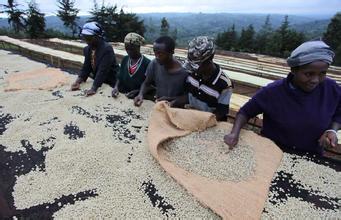
What Is Caturra Coffee? Key Bourbon Variety Facts
Caturra is a high-yielding, disease-prone Bourbon mutation grown at 800m+. Popular in Central America for bright, sweet cups. Find out where it’s planted and how it tastes.

Bali Single-Origin Coffee: Flavor Profile & Processing Details
Explore Bali’s first single-origin coffee released by Starbucks, a washed-process bean with herbal and dark chocolate notes.
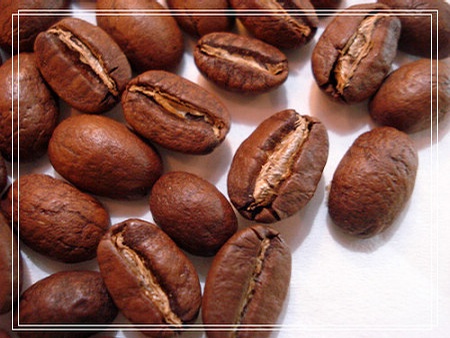
India's Washed Royal Robusta: Premium Priced Specialty Coffee Bean
Explore why India's washed Royal Robusta coffee fetches higher prices than some Arabicas, and how quality R Robusta entered specialty markets.