
Coffee Technology
Latest articles, industry insights and brewing guides

When Is Coffee Harvested? Timing by Latitude
Learn exactly when coffee is picked around the world: September–November in the north, April–August in the south, and year-round near the equator.
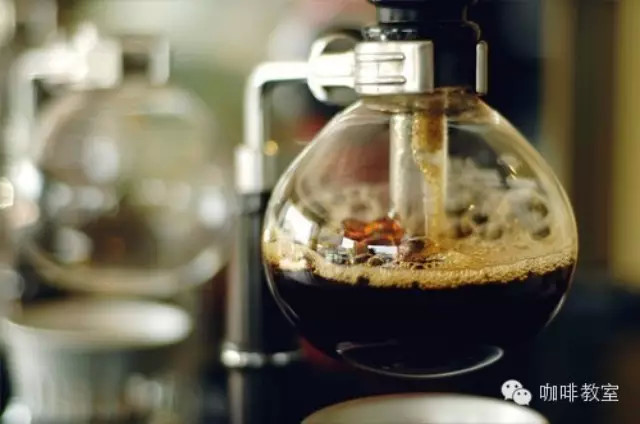
How to Use a Siphon Coffee Maker: Step-by-Step Guide
Learn how to brew coffee with a siphon maker in 6 steps, including water levels, timing, stirring, and proper cleanup.
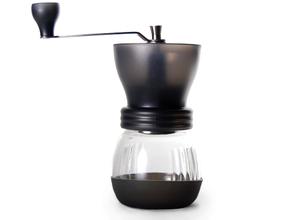
Manual vs Electric Coffee Grinders: How to Use Both
Learn how to use manual and electric coffee grinders, their differences, and how to adjust grind size for better brewing. Practical tips included.
How SCAA’s Coffee Cupping System Evaluates Specialty Coffee
Discover the SCAA’s standardized cupping protocol: grind size, ratios, temperatures, scoring, and how pros assess coffee quality.
What Makes a Good or Bad Cup of Coffee?
Learn the real difference between good and bad coffee, how to judge quality, and what ruins a cup—beyond just taste preferences.
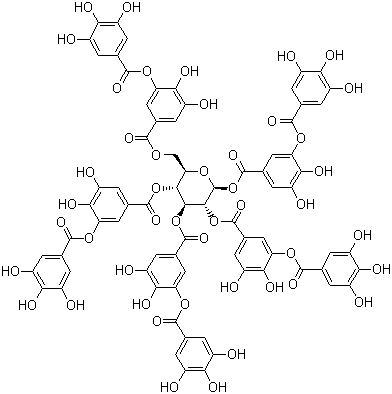
What Causes Coffee Astringency? The Role of Tannins
Coffee astringency is largely caused by tannins—naturally occurring polyphenols in coffee. Learn how much is in your beans and how to avoid over-extraction.
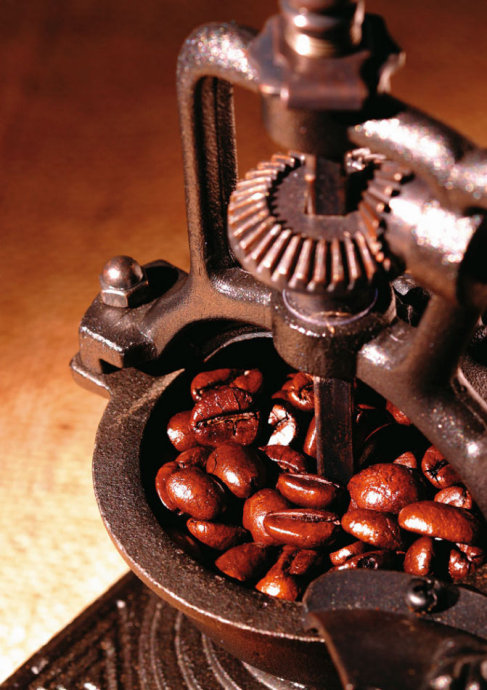
Finding the Right Grind Size for Handbrew Coffee
Learn how grind size affects extraction and flavor—whether you're brewing with a V60, Chemex, or moka pot. Grind too fine or too coarse, and your cup suffers.
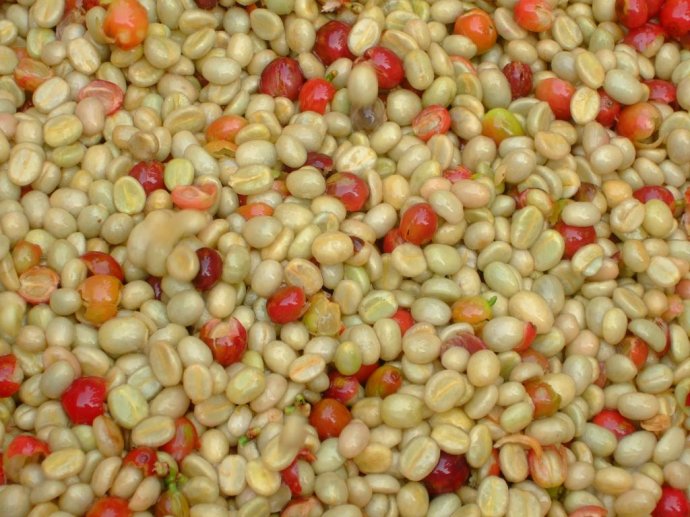
What Is Semi-Washed Coffee Processing?
Semi-washed, or pulped natural, combines washed and natural methods. It removes all fruit flesh mechanically, then sun-dries—offering stability without fermentation.
The Three Waves of Coffee Explained
Learn how coffee evolved through three global movements—from instant to espresso bars to specialty pour-over—and what each wave means for your cup today.
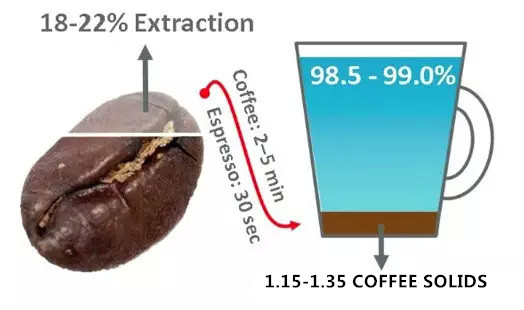
Understanding the Golden Cup Standard in Coffee Brewing
Learn the science behind the Golden Cup standard for coffee: ideal extraction rates, concentrations, and how to adjust your brew.
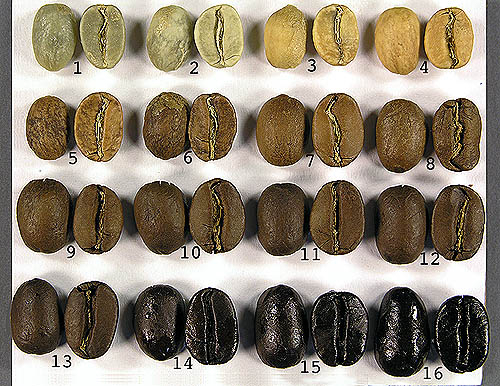
How Coffee Roast Level Affects Your Stomach
Research shows dark roasted coffee causes less stomach irritation due to higher levels of NMP, a compound that suppresses acid production.
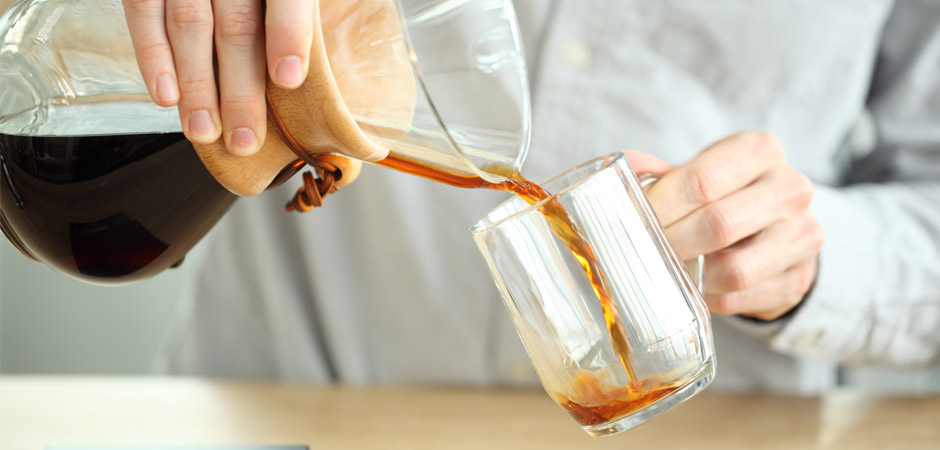
What Makes Specialty Coffee Different from Commercial Coffee
Learn why specialty coffee scores 80+ points, how it differs from commercial beans, and why origin and roast matter more than you think.
How Colombian Coffee Beans Are Graded and Classified
Learn how Colombian coffee beans are graded by size, defects, region, and quality — including commercial and specialty classifications.

How SCAA Cupping Evaluates Coffee Aroma, Flavor, and Aftertaste
Learn the official SCAA cupping steps for evaluating coffee: aroma, fragrance, taste, nose, aftertaste, and body—with exact ratios, temps, and timings.
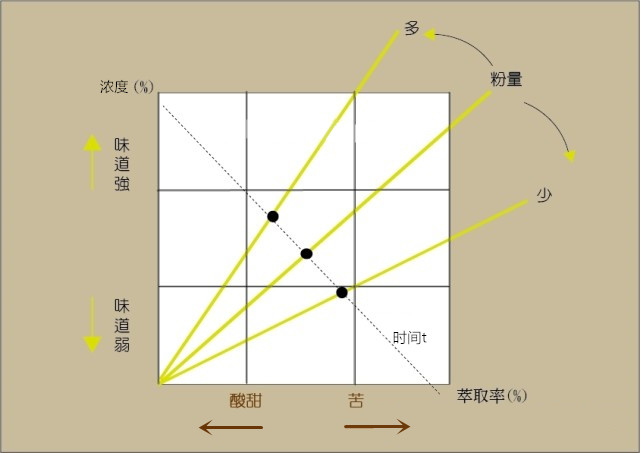
How Coffee Powder Amount Affects Extraction & Flavor Balance
Learn how adjusting coffee powder quantity influences taste strength, extraction rate, and flavor distribution in your brew. Practical tips inside.
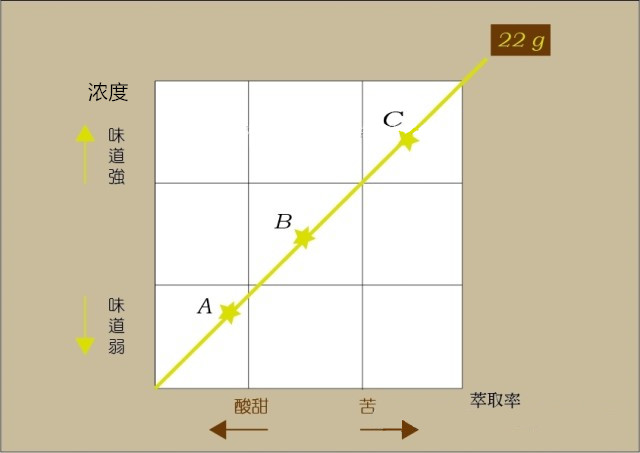
How Extraction Rate Shapes Sour, Sweet, and Bitter in Coffee
Learn how extraction rate affects sour, sweet, and bitter flavors on your tongue, and test it yourself with timed cupping.

How to Calculate Ideal Coffee Extraction Using SCAA Gold Cup Theory
Learn the SCAA Gold Cup standard: ideal coffee sits between 1.2–1.4 TDS concentration and 18–22% extraction rate for balanced flavor.

How to Make Ice Drip Coffee at Home and Why It’s Trending
Ice drip coffee is making a comeback with its sweet, low-acid profile. Learn how to brew it at home in 24 hours using single-origin beans.
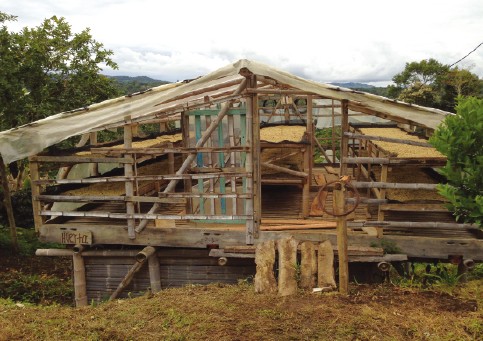
How Water Activity Predicts Specialty Coffee Bean Freshness
Learn how measuring water activity (aw) helps predict freshness loss in specialty green coffee during transport and storage.
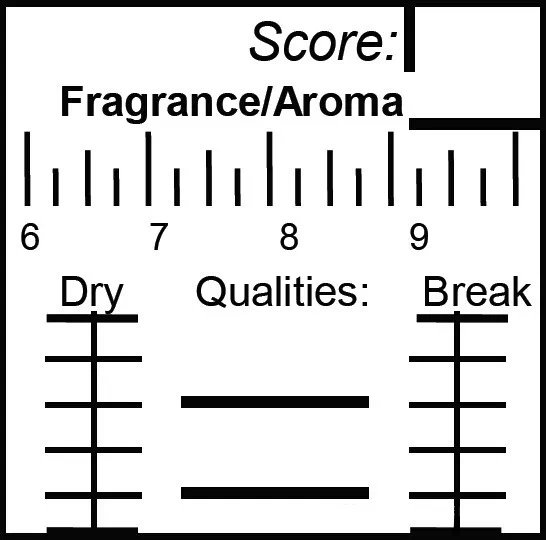
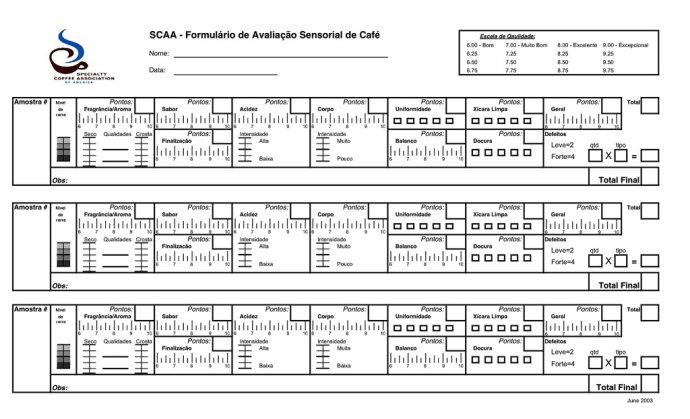
How to Use the SCAA Coffee Cupping Form Step by Step
Learn the 10 key categories of the SCAA cupping form and how to evaluate aroma, flavor, acidity, body, and more in specialty coffee.