
Coffee Technology
Latest articles, industry insights and brewing guides
How Roast Method Affects Coffee Acidity and Quality
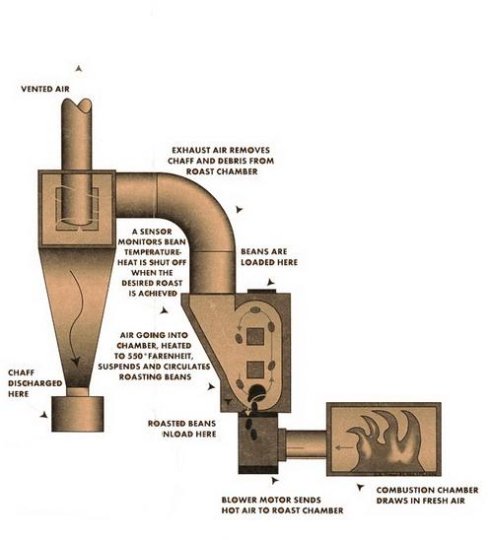
Drum and air roasters impact acidity differently. Slow drum roasts reduce harsh chlorogenic acids, while fast air roasts preserve more bright but potentially sour notes.
How to Identify Coffee Roast Levels Using SCAA Standards
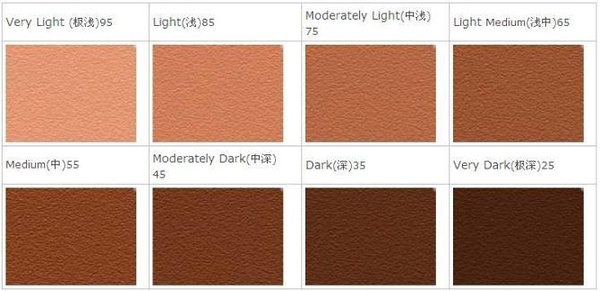
Learn how coffee professionals determine roast levels using Agtron color charts and key milestones like first and second crack. Includes roast stages from light to French.
Key Chemical Reactions in Coffee Roasting Explained
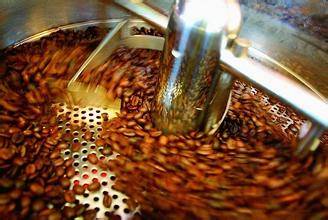
Discover the essential chemical reactions during coffee roasting and how roast levels affect flavor compounds like caramelized sugars and acids.
How Roast Level Affects Coffee Bean Flavor and Color
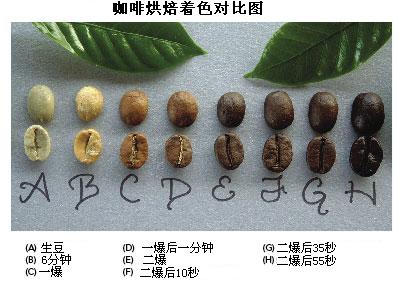
Learn how coffee roast levels—from light to dark—affect flavor, aroma, and color, and why proper roasting unlocks coffee’s full potential.
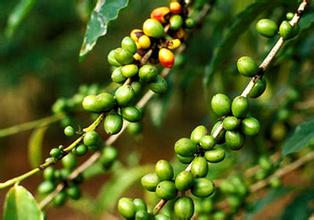
4 Production Systems That Shape Ethiopian Coffee
Over 95% of Ethiopia’s coffee comes from just four farming systems—forest, semi-forest, garden, and plantation. Here’s how each affects flavor.
How Colombian Coffee Is Graded and What Defines Its Flavor
Colombian coffee is graded by defects, bean size, region, and legal standards. Learn the key metrics behind AA, A, and regional distinctions.

Coffee Roast Levels Explained: Stages, Degrees, and Flavors
Learn the five stages of coffee roasting, how to classify roast levels, and the flavors tied to each stage from light to dark.
The Meaning and History of Coffee Roasting
Learn how coffee roasting transforms green beans, why it impacts 30% of your cup’s flavor, and how roasting evolved from 13th-century Arabia to today.

How Blenders Create Specialty Single-Origin Coffee Blends
Learn how skilled roasters blend multiple single-origin coffees to achieve balanced, rich flavors—not just mixing, but crafting a unified cup.
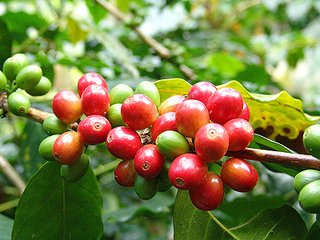
How Coffee Is Grown: From Seed to Coffee Orchard
Learn the complete process of coffee cultivation, from seed selection and nursery techniques to field planting and pruning methods.
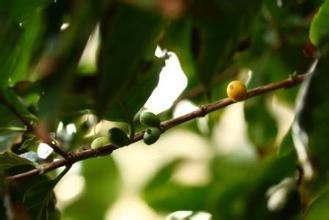
How Climate and Soil Shape Specialty Coffee Quality
Discover the ideal temperature, rainfall, light, wind, and soil conditions that determine high-quality coffee growth and flavor development.

SCAA Coffee Cupping Terms Explained for Specialty Coffee
Learn the official SCAA cupping terms for evaluating coffee’s acidity, body, aroma, and flavor, with definitions of 30+ taste descriptors.

How to Cup Coffee: SCAA Cupping Method Explained
Learn the professional SCAA coffee cupping method in 8 clear steps, including scoring aroma, flavor, acidity, body, and aftertaste.

How Coffee Bean Roast Levels Affect Color, Flavor & Characteristics
Learn how roast level transforms raw coffee through color, chemical changes, and flavor development—from light to dark roast stages.
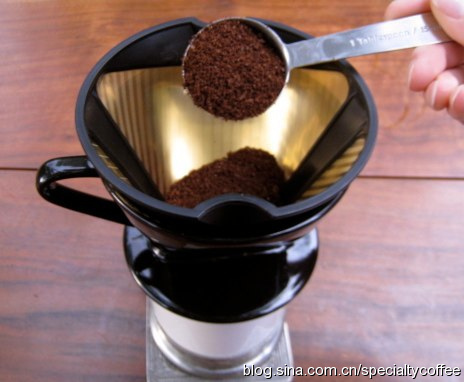
Standard Coffee-to-Water Ratios Set by SCAA
Discover the official SCAA coffee-to-water ratios for balanced brews, from 1 to 12 cups, with key metrics in weight, volume, and extraction science.

How to Pick Fresh Coffee Beans: Roasted & Green Buying Guide
Learn how to assess coffee bean freshness through smell, appearance, and sound. Find out what to look for in both green and roasted beans.

How to Grade and Judge Specialty Coffee Bean Quality
Learn how processing, shape, size, altitude, and freshness determine coffee bean grade and flavor potential.

Natural, Washed, Honey: How Coffee Is Processed
Learn how natural, washed, semi-washed, and semi-natural methods affect coffee flavor, with details on fermentation, drying, and water use.

Coffee Flavor Terms Explained: Acidity, Body, and More
Learn how to describe coffee flavors like acidity, body, balance, and complexity using the Specialty Coffee Association’s flavor wheel terminology.

Natural vs Washed Coffee Processing Methods Explained
Learn how natural (sun-dried) and washed coffee processing differ in flavor, technique, and ideal conditions—with key numbers and processing timelines.