
Coffee Technology
Latest articles, industry insights and brewing guides

SCAA Gold Cup Standards: Extraction, Time & TDS Guide
Learn the SCAA’s Gold Cup coffee standards: optimal 18–22% extraction, 1.1–1.3% TDS, and ideal brew ratios for drip filter coffee.
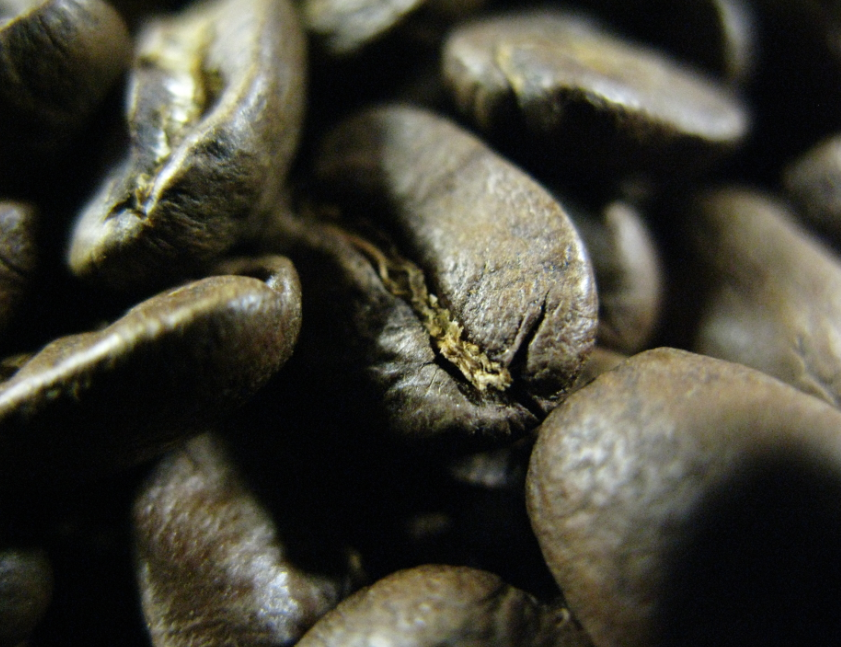
What Is Japanese Charcoal-Roasted Coffee and How Is It Roasted?
Charcoal-roasted coffee is a Japanese innovation made using wood-fire roasting. Learn how the low-moisture, reducing environment shapes its bold yet clean profile.
Does Higher Altitude Make Coffee More Acidic?
Higher elevation typically produces sweeter, more complex, and brighter-tasting coffee due to slower ripening and denser beans.
Guatemalan Coffee Bean Grades by Elevation
Learn how Guatemalan coffee beans are graded by altitude, from Strictly Hard Bean (SHB) at 1400m+ to Good Washed below 600m.
Guatemala Antigua, Huehuetenango, and Acatenango Coffee Flavor Guide
Explore the distinct flavor profiles of Guatemalan coffees from Antigua, Huehuetenango, and Acatenango, shaped by altitude, volcanic soil, and climate.
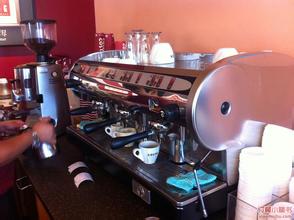
Common Coffee Machine Error Messages Explained
Understand your espresso machine’s English error prompts—from descaling to blocked brew units—and how to fix them quickly.
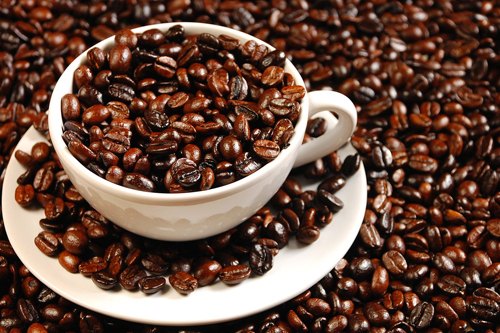
Fresh Coffee Beans vs Instant Coffee Powder: Flavor Differences
Instant coffee lacks the freshness and complexity of brewed coffee from beans. Learn how grinding and storage affect your cup’s flavor.

Four Proven Ways to Keep Coffee Beans Fresh Longer
Store coffee in cool, dry places—avoid the fridge. Frozen beans last longer if sealed well. Whole beans stay fresh two weeks post-roast.
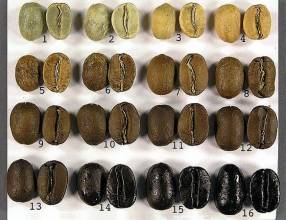
How Coffee Roast Degree and Process Affect Bean Flavor
Roasting temperature, duration, and technique shape coffee’s aroma, color, and health compounds. Find out how roast level impacts flavor and bean quality.
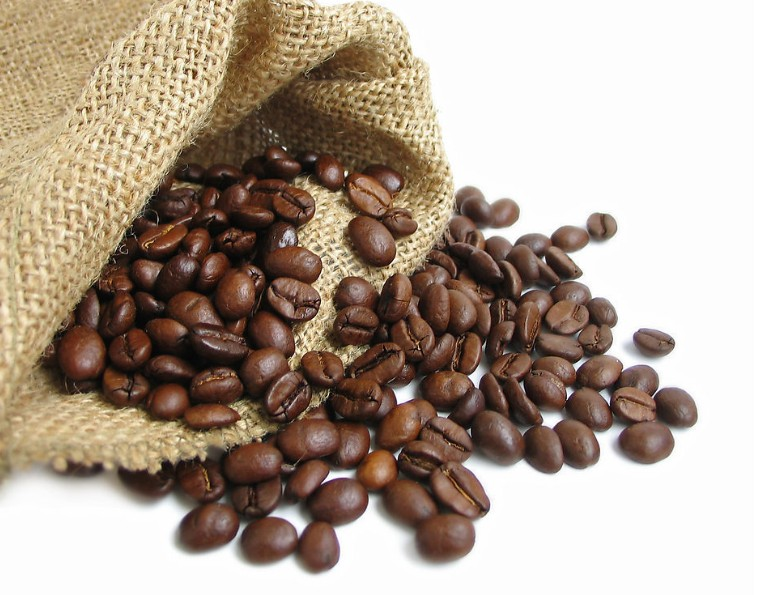
Chemical Changes and Color Shifts During Coffee Roasting
Learn how coffee beans change chemically and visually during roasting, including key aromas, temperatures, and stages from green to dark roast.
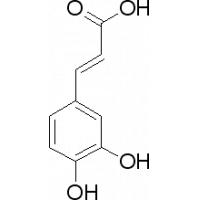
Is Coffee Acidic or Alkaline? Why Does It Taste Sour?
Coffee is naturally acidic, and its pH and flavor depend on roast level, brewing temp, and bean origin. Here’s how to understand and manage sourness.
Costa Coffee vs Starbucks: Roast, Blend & Business Model
Learn how Costa’s 6:1 Arabica-Robusta blend, 22-minute slow roast, and European positioning differ from Starbucks’ US-style coffee chain model.

The Story Behind Turandot Music Coffee and Its Brand Legacy
Explore the origins of Turandot music coffee in Italy, its connection to opera legend Puccini, and how it became a global brand.
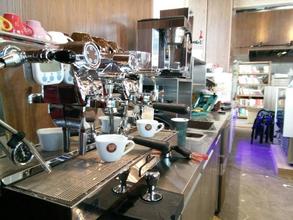
What Coffee Equipment Do You Need to Open a Café?
Starting a coffee shop? Here’s a full list of essential café equipment—from espresso machines to licenses—compiled for aspiring café owners.

China's Official Barista Certification Levels and Requirements
Learn China’s national barista certification system with four grades, training hours, skill tests, and exam rules for aspiring professionals.

Top 10 Global Coffee Chains by Size and Business Model
Discover the 10 biggest global coffee chains ranked by store count, business model, and market presence, including cost context for opening a franchise.
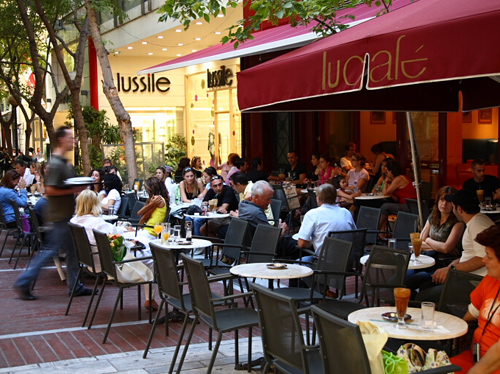
How Foreign Coffee Shops Operate Around the World
Discover how foreign cafés differ from domestic ones—from opening hours to social roles—plus key facts on global chains and daily routines.
Why Finland Is the World’s Top Coffee-Loving Nation
Finns drink more coffee per capita than any other nation—here’s the history, culture, and coffee habits behind the world’s top coffee consumers.
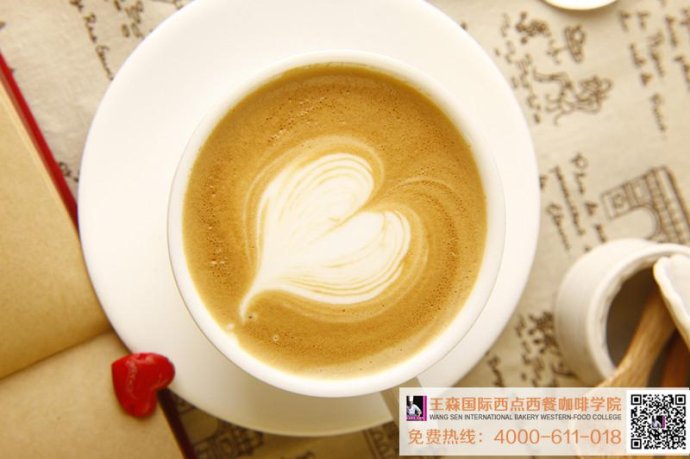
How to Steam Milk and Pour Latte Art: A Step-by-Step Guide
Master milk frothing and latte art basics with key tips on foam texture, pouring angles, and practice methods to improve your technique.
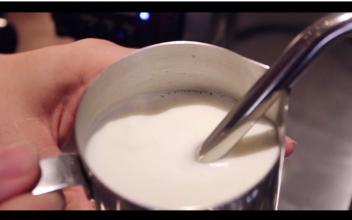
How to Steam Milk and Control Foam for Latte Art
Learn how to steam milk to the right temperature, create fine microfoam, and control texture for clean latte art. Includes key techniques and common mistakes.