
Coffee Technology
Latest articles, industry insights and brewing guides

How to Make Coffee Latte Art: Milk Foam & Pouring Techniques
Learn the essentials of latte art: how to steam milk, pour basic patterns like hearts and leaves, and master the tools for professional-looking coffee designs.
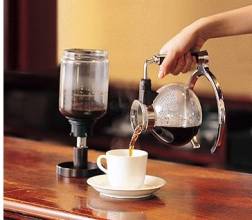
How to Brew Coffee: Grind, Water & Technique Basics
Learn how to make great coffee by choosing the right beans, grind size, water temp, and brewing method for your setup.

The Truth Behind Coffee Latte Art: More Than Just Looks?
Latte art may catch your eye, but flavor matters more. Here’s why baristas practice it—and when it might distract from great coffee.
How to Make a Bear Latte Art Design Step by Step
Learn how to steam milk, pour espresso, and create a bear latte art pattern with precise temperatures and foam consistency.
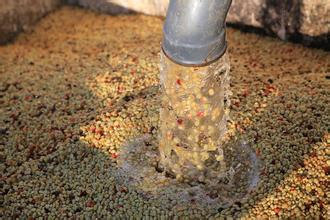
How Washed Coffee Processing Works, Step by Step
Washed coffee processing removes fruit layers before drying, creating clean, bright flavors. Here’s how it works, with key timings and methods.

How Baristas Can Improve Their Coffee Tasting Skills
Learn how to train your palate to better identify and describe coffee flavors through targeted exercises and sensory practice.

Smart Cup vs Aeropress: Coffee Brewing Traits & Differences
Learn how the Smart Cup and Aeropress differ in coffee brewing, their strengths, and which one suits your technique level best.

How to Make Matcha Coffee in 3 Minutes: A Simple Guide
Learn how to make a creamy matcha coffee at home with just 15g of matcha powder, milk, and foam in under 3 minutes.

What Is Coffee Cupping? Purpose, Method & Key Terms
Coffee cupping evaluates flavor scientifically using standardized methods. Learn how pros taste, score, and grade coffee by aroma, acidity, sweetness, and aftertaste.

How Hand-Picking Coffee Beans Improves Quality
Hand-selecting green coffee beans removes defects, improving cup quality. One bad bean can ruin 50g of good coffee, a key step in specialty brewing.

The Origins of Specialty Coffee and Third Wave History
Learn how Specialty Coffee emerged from inconsistent global grading systems and why unified quality standards became essential.

What Is Coffee Blending and How Is It Different From Single Origin?
Learn how coffee blends are crafted, why they’re used, and how many beans typically go into a well-balanced espresso or filter blend.

How Acidic Is Coffee? Where Does Coffee Acidity Come From?
Coffee acidity is subtle and varies by origin, roast, and brew. Learn where it comes from, how to detect it, and why it matters in quality coffee.

How Roast Method Affects Coffee Acidity and Quality
Drum and air roasters impact acidity differently. Slow drum roasts reduce harsh chlorogenic acids, while fast air roasts preserve more bright but potentially sour notes.

How to Identify Coffee Roast Levels Using SCAA Standards
Learn how coffee professionals determine roast levels using Agtron color charts and key milestones like first and second crack. Includes roast stages from light to French.
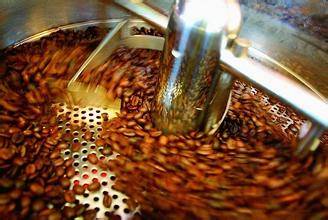
Key Chemical Reactions in Coffee Roasting Explained
Discover the essential chemical reactions during coffee roasting and how roast levels affect flavor compounds like caramelized sugars and acids.

How Roast Level Affects Coffee Bean Flavor and Color
Learn how coffee roast levels—from light to dark—affect flavor, aroma, and color, and why proper roasting unlocks coffee’s full potential.

4 Production Systems That Shape Ethiopian Coffee
Over 95% of Ethiopia’s coffee comes from just four farming systems—forest, semi-forest, garden, and plantation. Here’s how each affects flavor.

How Colombian Coffee Is Graded and What Defines Its Flavor
Colombian coffee is graded by defects, bean size, region, and legal standards. Learn the key metrics behind AA, A, and regional distinctions.

Coffee Roast Levels Explained: Stages, Degrees, and Flavors
Learn the five stages of coffee roasting, how to classify roast levels, and the flavors tied to each stage from light to dark.