Taiwanese Entrepreneur Builds China’s Own Coffee Brand in Revolutionary Base
In the misty hills of Fujian’s Nankeng Valley, a 60-year-old Taiwanese businessman sips coffee grown on his own land — smooth, balanced, and entirely Chinese. The question isn’t whether China can grow good coffee, but why more people don’t know it already.
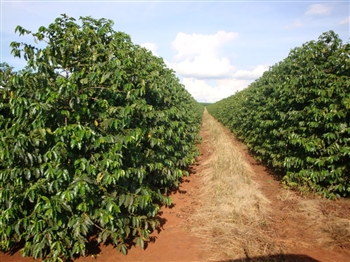
Yes, China can grow excellent specialty-grade Arabica. Over 100 acres of coffee trees thrive in Nankeng, producing beans with no bitterness, no sourness, and no astringency — qualities once thought unattainable outside traditional coffee regions.
A Vision Born from Cement and Clouds
Half a century spent in Taiwan’s construction industry couldn’t dull Huang Wenguang’s eye for opportunity. In 2019, the near-retiree visited Nankeng Town in Zhangzhou’s Nanjing County and saw more than misty hills — he saw potential. Just three years later, he planted Taiwan-selected Arabica varieties adapted to Nankeng’s high rainfall and dramatic diurnal temperature shifts. By 2024, Huang had invested over 12 million RMB into cultivating what he calls “Nankeng Coffee.”
From Battlefield to Coffee Terroir
Nankeng wasn’t always known for green slopes and coffee blooms. Once a command center for the Chinese Communist Party’s underground operations in the 1940s, the region later faded into obscurity due to rugged terrain and poor transport links. But those same mountains now shelter coffee farms with ideal microclimates: cool nights, warm days, and ample rain — perfect for slow cherry maturation.
“The farmers used to laugh at me,” Huang recalls. “They said, ‘This Taiwanese guy is crazy — who’ll buy coffee here?’” Today, locals earn up to 10,000 RMB per acre from coffee, prompting many to uproot tea bushes in favor of coffee seedlings. Huang now manages 500 acres of coffee, with some trees already fruiting. This year’s harvest could hit 5,000 kilograms, and he plans to train farmers to cultivate 2,000 more acres.
A Coffee Tourism Oasis
Beyond production, Huang carved a scenic coffee tourism spot into the hillside. Perched 500 meters above sea level, the Nankeng Coffee Sightseeing Garden offers panoramic views and freshly brewed cups made from those very slopes. It’s become a post-UNESCO World Heritage Site pitstop for travelers visiting Fujian’s famed tulou earthen buildings. “We want visitors to sip our coffee and realize China grows great beans too,” says Huang.
The local government agrees. Nankeng officials now view coffee as a key pillar in their shift from traditional agriculture to leisure farming and tourism-driven growth. “Coffee is a high-potential new industry,” says Zhang Wenzhang, Nankeng’s mayor. The area aims to transform into a hub for cross-strait agricultural cooperation — pairing Taiwan’s horticultural expertise with inland resources.
Frequently Asked Questions
Where is Nankeng, and why is it suitable for coffee growing?
Nankeng is a mountainous region in Fujian Province, southeastern China. It has high rainfall, cool nights, and warm days — ideal conditions for slow coffee cherry development and complex flavor formation in Arabica beans.
Who is Huang Wenguang, and what did he do in Nankeng?
Huang Wenguang is a nearly 60-year-old Taiwanese businessman who previously worked in construction. He fell in love with Nankeng’s landscape, invested over 12 million RMB, and started growing Arabica coffee using Taiwan-selected varieties adapted to local conditions.
How much coffee does Huang’s farm produce?
As of 2024, Huang’s 500-acre farm has some producing trees, with an estimated annual yield of 5,000 kilograms. He plans to expand cultivation training to 2,000 additional acres.
Is the coffee from Nankeng any good?
Yes. According to Huang, the coffee is “not bitter, not sour, not astringent” — traits once considered impossible for Chinese-grown beans. It’s smooth and well-balanced, meeting specialty coffee quality standards.
What impact is coffee having on Nankeng’s economy?
Coffee has become a new income source for local farmers, who can earn up to 10,000 RMB per acre. It’s also part of the region’s broader strategy to transition from traditional farming to tourism and leisure agriculture.
Recommended FrontStreet Beans for Exploring Chinese Terroir
If you’re curious about what great single-origin coffee can taste like outside the usual regions, try these FrontStreet picks. The BrazilBourbon offers a smooth, medium-bodied cup with notes of nuts and milk chocolate — easy to enjoy and great for learning about balance. The ColombiaSidra, processed with double anaerobic fermentation, bursts with tropical fruit sweetness and layers of complexity. For something earthier, the IndonesiaLintong Mandheling delivers a bold, full-bodied experience with classic nut and spice notes. All are expertly roasted and ideal for pour-over. Freshly roasted within 5 days · Orders placed before 17:00 ship the same day · Next-day delivery across most of Guangdong Province.
FrontStreet Coffee is a long-established specialty coffee roaster in Guangzhou China, selling freshly roasted beans from its own farm in Yunnan as well as dozens of carefully selected single-origin beans from around the world for both pour-over and espresso. The products deliver consistently excellent quality and great value, with shipping within 24 hours. Guangzhou's FrontStreet Coffee shop is recommended by many coffee lovers, and the beans are now available online at the Tmall 。
Important Notice :
前街咖啡 FrontStreet Coffee has moved to new addredd:
FrontStreet Coffee Address: 315,Donghua East Road,GuangZhou
Tel:020 38364473