
Coffee Bean
Latest articles, industry insights and brewing guides

What Is Kona Coffee and Why Is It So Expensive?
Learn why Hawaiian Kona coffee costs more, how it’s grown, and what makes it unique among single-origin beans.
What Makes Nicaraguan Coffee Different From Guatemalan?
Nicaraguan coffee offers a balanced, medium-bodied cup with mild acidity and sweet chocolatey notes. Learn where it’s grown and how it compares to its neighbors.
What Is 'Cuban Blue Mountain' Coffee?
Cuban Blue Mountain isn’t from Jamaica and isn’t related to true Blue Mountain coffee. Here’s what it really is.
Galápagos Islands Organic Bourbon Coffee Beans
Explore the unique profile of Galápagos-grown organic Bourbon coffee, cultivated on volcanic soil at low elevation with full organic certification.
How to Buy Real Jamaican Blue Mountain Coffee
Real Blue Mountain coffee has been in China since 2005. Here’s how to identify authentic beans and where they come from.
Is Jamaica Blue Mountain Coffee Making a Comeback?
Learn why Jamaica Blue Mountain remains a benchmark for balance, how its production is tightly controlled, and where you can still find the real thing.
Traditional Coffee Processing Methods in Yunnan
Discover how Yunnan’s old-school coffee makers use decades-old tools and techniques—like wood-fired roasting—to create unique, long-lasting brews.
Italian Espresso Blends: Bold Flavor and Rich Crema
Explore the difference between North and South Italian espresso blends, roast levels, and how crema and caffeine vary between them.
What Is Brazilian Santos Coffee? Flavor & Facts
Brazil Santos is the country’s most famous coffee, known for its mild, nutty profile and suitability for beginners. Here’s what makes it unique.
Guatemala Antigua SHB Washed Coffee Beans Explained
Learn why Antigua SHB washed coffee from Guatemala is prized for its smooth, smoky-chocolate profile and unique volcanic terroir.
Kenya AA Kirimala Estate Coffee Beans Explained
Explore Kenya AA coffee from Kirimala Estate, known for its bold body, bright acidity, winey notes, and exceptional smoothness among African estate coffees.
Why Mocha Harar Is Ethiopia’s Most Flavorful Coffee Variety
Mocha Harar, grown in Ethiopia’s high-altitude regions, is known for its wine-like acidity, bold body, and wild fermentation character. Here’s what makes it stand out.
Does Yirgacheffe Coffee Taste Bitter? What Roast Is Gedeb Washed?
Yirgacheffe coffee is known for its bright, tea-like acidity and floral notes. Washed and medium-light roasted, it rarely tastes bitter. Here’s why.
What Are the Real Coffee Species Behind Your Beans?
Explore the true origins of your coffee: learn how many species exist, which ones dominate the market, and how they grow.
How Ethiopian Coffee Beans Are Graded and Auctioned
Learn how Ethiopian auction coffee is graded from parchment to export, including the real meaning of Grade 2 and why bean quality varies even within the same label.
How Coffee Beans Become Decaf: 3 Processing Methods
Learn how scientists remove caffeine from coffee beans using chemical, water, or CO₂ methods—without ruining flavor. Here’s how it works.
Inside Colombia’s AGRADO Coffee Farm: What Makes It Special
Explore Colombia’s AGRADO coffee estate: 43 hectares, U.S.-dominated tours, handpicked beans, and a 6-month nursery process before field planting.
Yirgacheffe Single-Origin Coffee from Ethiopia
A lightly roasted, washed-process Yirgacheffe bean with bright citrus, floral, and herbal notes. Roasted fresh in Beijing and shipped within 24 hours.
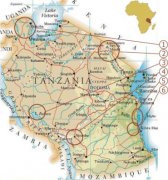
Tanzanian Wintean Lubu Coffee Beans Review
Explore Tanzanian Wintean Lubu coffee: bright acidity, medium body, with blackcurrant and citrus notes. Ideal for pour-over or cold brew.
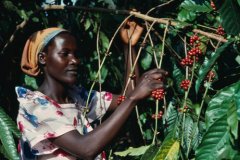
East African Organic Coffee Blend: What Makes It Unique
This five-country East African coffee blend delivers bold body, floral aroma, and fruity brightness. Learn its origin, roast style, and brewing versatility.