
Coffee Technology
Latest articles, industry insights and brewing guides
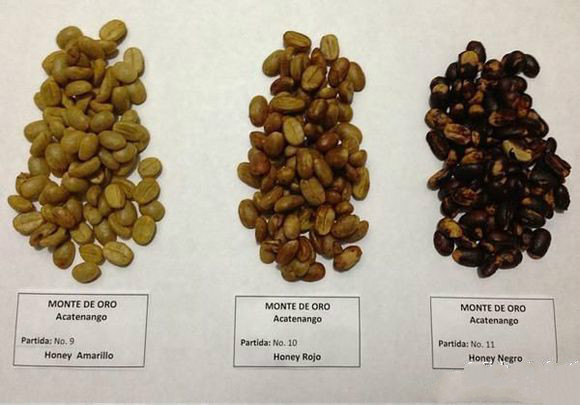
Yellow, Red, and Black Honey Process: Flavor Differences
Learn how yellow, red, and black honey processed coffees differ in flavor based on drying time, light exposure, and mucilage retention.
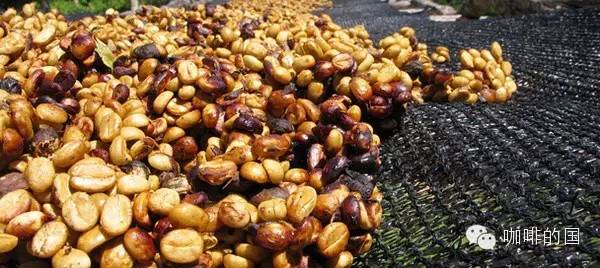
What Is Honey Process Coffee? A Complete Guide
Learn how honey processed coffee is made, graded by color and mucilage, and what it tastes like compared to washed or natural coffees.
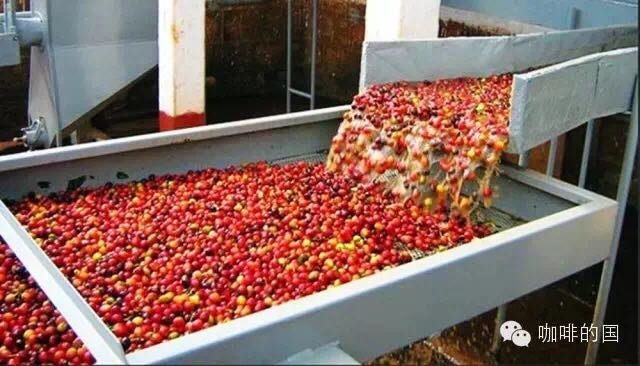
How Coffee Beans Are Processed: Washed, Natural, and Honey Methods
Learn how washed, natural, and honey processing methods affect coffee flavor, with steps for washing and drying Ethiopian Yirgacheffe beans.
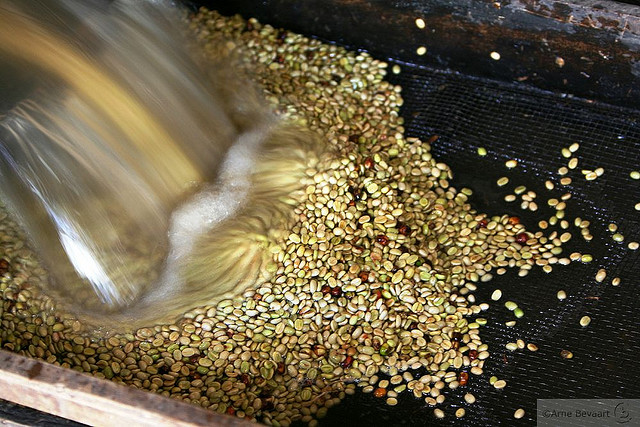
How Washed Coffee Processing Works, Step by Step
Washed coffee processing removes the fruit via fermentation and water, yielding bright acidity and clean flavors. Learn how it works in 7 steps.
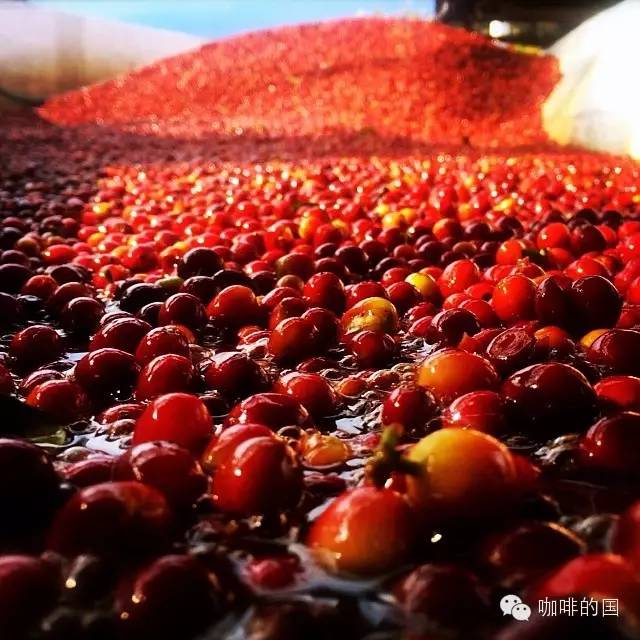
How Coffee Beans Are Processed: Washed, Natural, Honey, and Semi-Washed Methods
Learn how washed, natural, honey, and semi-washed coffee processing methods affect flavor, with steps, timings, and country-specific examples.
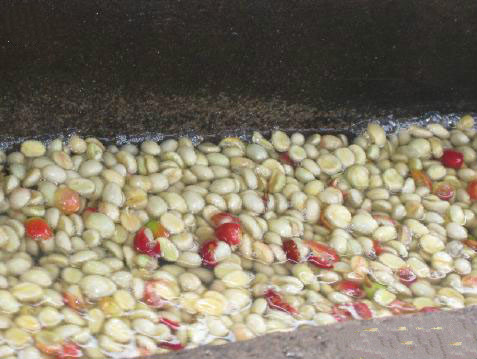
What Is Semi-Washed Coffee and How Is It Processed?
Learn how semi-washed coffee is made, its place between washed and natural processes, and how it affects flavor—plus details on Ethiopia’s Yirgacheffe.
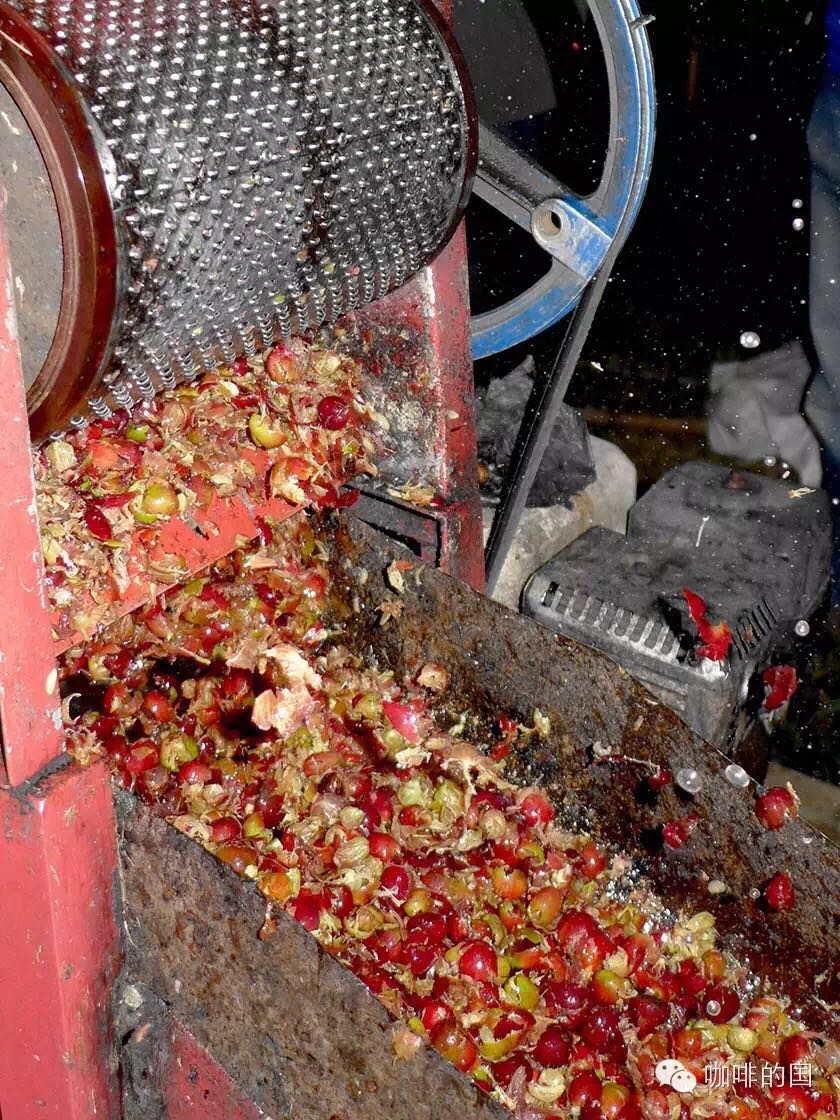
Washed vs Natural Coffee Processing Methods Explained
Learn how washed and natural coffee processing methods affect flavor, with details on fermentation, drying, and regional techniques like Kenya’s 72-hour double wash.
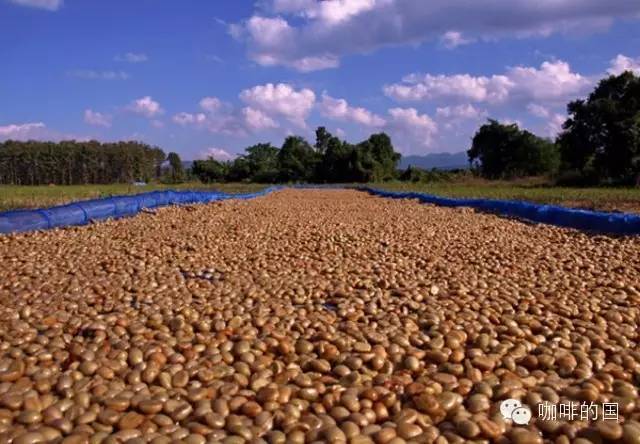
What Is Washed Coffee Processing?
Washed coffee processing removes fruit pulp and mucilage via fermentation and water. Learn how it creates bright acidity vs. natural’s fruity body.
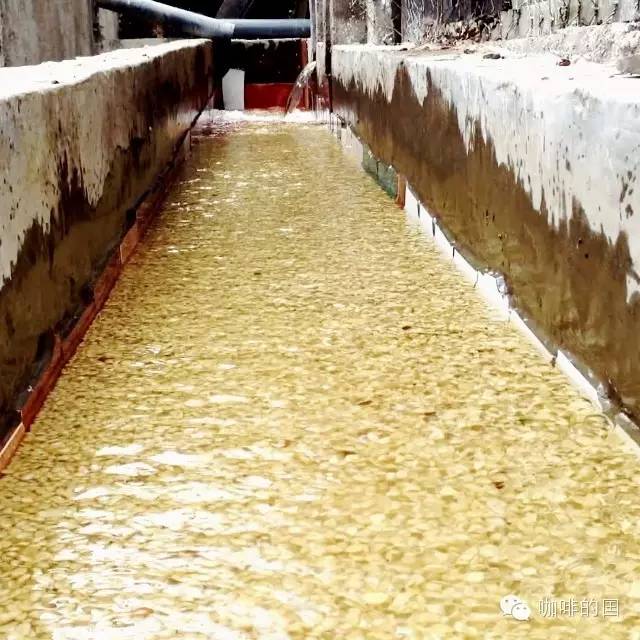
How Washed Coffee Processing Works: Ethiopian Yirgacheffe Example
Washed coffee processing removes fruit layers via fermentation and water. This guide explains the 7-step method with insights from Ethiopia’s Yirgacheffe region.
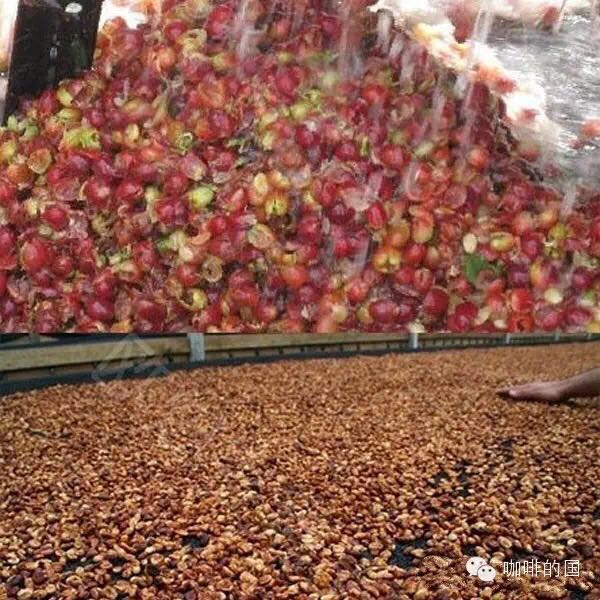
What Is Washed Coffee Processing and How Does It Work?
Learn how washed coffee processing creates bright, clean flavors with high acidity. Includes steps, timing, and a top Ethiopian example.
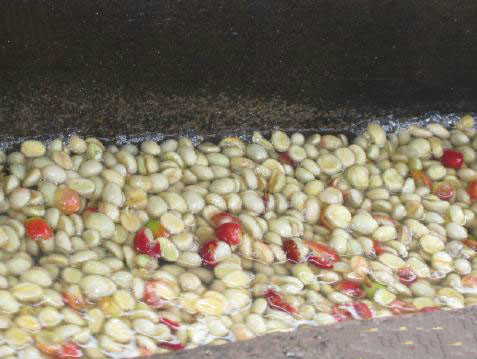
Washed Coffee Processing Explained: Steps, Flavors, and Methods
Learn how washed coffee processing creates bright, clean flavors with high acidity. Discover the full steps, fermentation times, and regional variations.
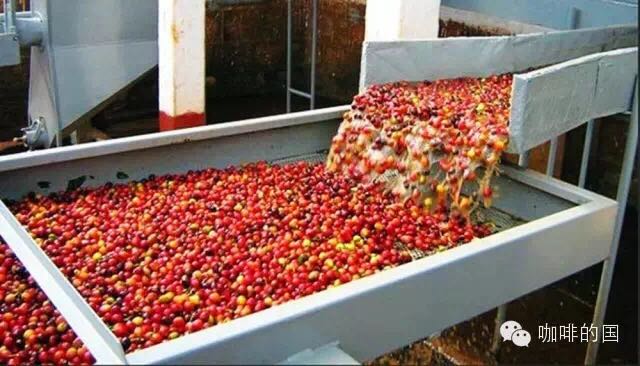
What Is Washed Coffee Processing? Yirgacheffe Kochere Explained
Washed coffee removes the fruit layer for clean, bright flavors. Learn how the washed process works and see how Ethiopia’s Kochere region does it.
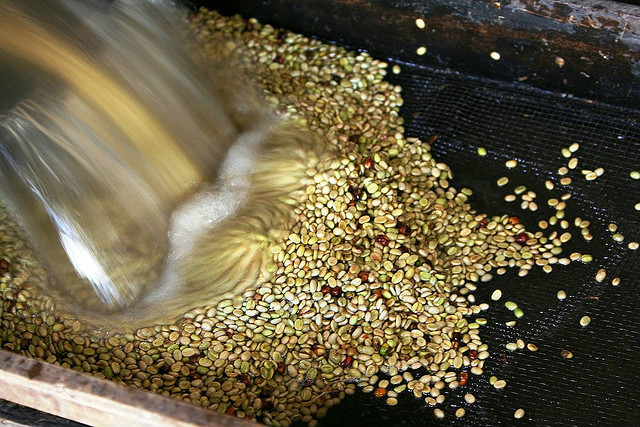
What Is Washed Coffee Processing?
Washed coffee removes the fruit completely before drying. Learn the 7-step washed process, fermentation times, and regional variations like Kenya’s 72-hour double wash.
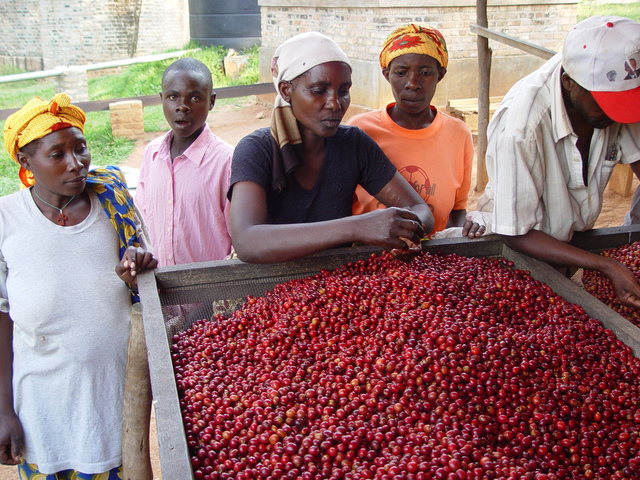
How Natural Process Coffee Is Made: Ethiopian Yirgacheffe Example
Learn how Ethiopian Yirgacheffe natural process coffee is made — from cherry selection to drying — and why it tastes fruity and sweet.
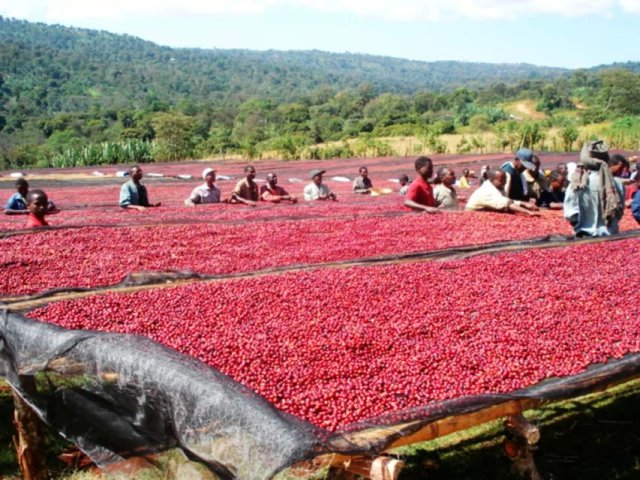
How Natural Process Coffee Beans Are Dried and Handled
Learn how natural (sun-dried) and honey processed coffee beans are dried, cleaned, and prepared—from field to export—with key details on timelines and techniques.
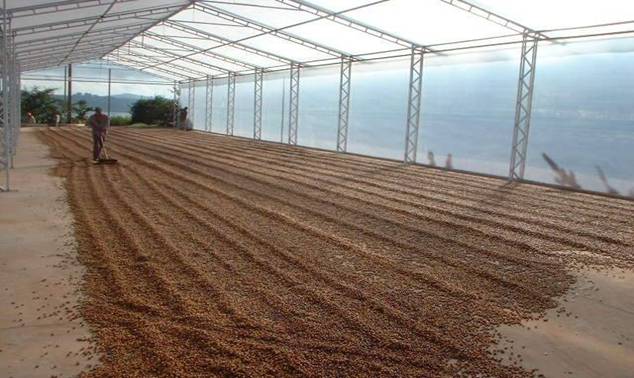
Natural Process Coffee: Pulped Natural, Honey, and Yirgacheffe Sun-Dried
Learn how pulped natural, honey, and traditional sun-dried methods affect coffee flavor, with details on Ethiopia’s Yirgacheffe G1 sun-dried lot.
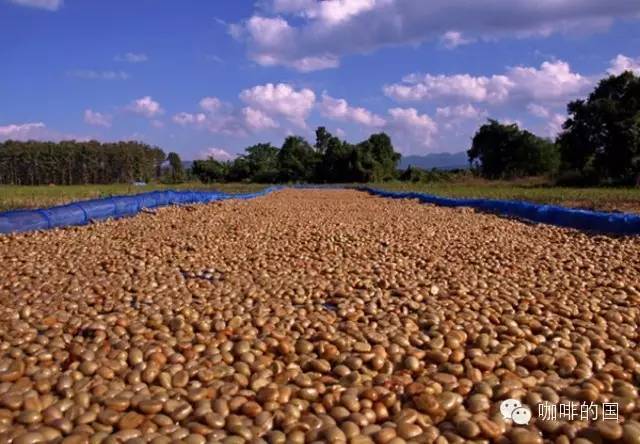
How Ethiopian Yirgacheffe Coffee Is Sun-Dried
Learn how traditional natural processing creates Yirgacheffe’s signature fruity sweetness through 4–6 weeks of sun drying on raised beds.
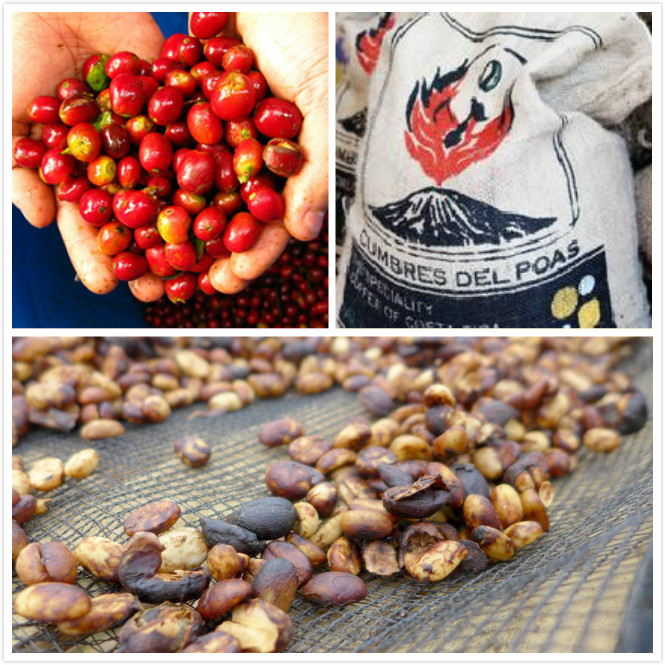
How Ethiopian Natural Process Yields Bold Coffee Flavors
Learn how Ethiopia’s traditional natural (sun-dried) coffee process creates fruity, sweet, and full-bodied beans like the Yirgacheffe Red Cherry G1.
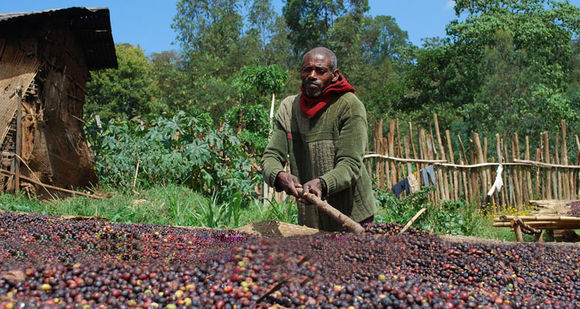
Natural, Washed, and Honey Coffee Processing Methods Explained
Learn how natural, washed, and honey processes affect coffee flavor. Includes drying times, moisture levels, and regional preferences.

How Natural and Washed Processing Change Coffee Flavor
Same Ethiopian beans, different processing: natural yields fruity sweetness, washed brings cleaner acidity. Here’s how.