
Coffee Technology
Latest articles, industry insights and brewing guides
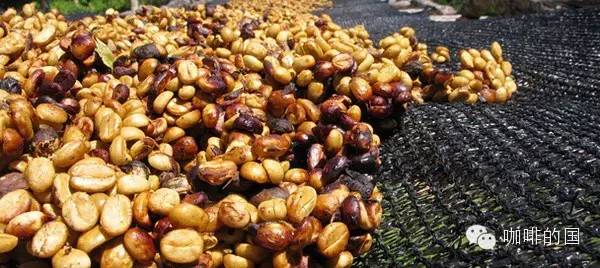
Natural, Washed, and Honey: How Ethiopian Coffee Is Processed
Learn how Ethiopian coffee is processed via natural, washed, and honey methods—what sets them apart, how they affect flavor, and why Ethiopia leads in natural processing.

How to Tell Natural and Honey Processed Coffee Apart
Learn how natural (sun-dried) and honey processed coffees differ in flavor, processing steps, and drying time, with examples from Ethiopia and beyond.

What Is Coffee’s Natural (Sun-Dried) Processing Method?
Natural processing dries coffee cherries in the sun for 2–4 weeks, creating bold, fruity beans. Learn how it works and why it varies.

What Is Natural Process Coffee? Ethiopian Yirgacheffe Example
Learn how Ethiopian natural (sun-dried) process coffee is made, why it tastes fruitier, and what makes Yirgacheffe’s G1 sun-dried lot unique.

6 Factors That Affect Milk Foam for Latte Art
Learn the six key factors influencing milk foam quality—from temperature and fat content to steam pressure—for better latte art results.

How to Steam Milk and Pour Latte Art Like a Pro
Learn how to steam milk to 55–60°C, texture it properly, and pour latte art with a smooth, stable microfoam for rich crema and balanced flavor.

How to Steam Milk for Coffee: Key Tips for Perfect Microfoam
Learn how to steam milk for espresso drinks using fresh whole milk with 3.3% fat or higher. Get the right temperature, texture, and swirl every time.
How to Steam Milk for Latte Art: A Step-by-Step Guide
Learn the fundamentals of steaming milk for espresso drinks, including ideal temperatures, steam wand technique, and creating microfoam for latte art.

How Washed Coffee Processing Creates Bright, Clean Flavors
Washed processing removes coffee fruit layers to boost acidity and clarity. Here’s how it works and why it results in crisp, fruity profiles.

How to Froth Milk by Hand for Home Latte Art
Learn how to make smooth, velvety hand-frothed milk at home with just a steam pitcher—ideal for latte art without an espresso machine.

How to Froth Milk by Hand for Latte Art at Home
Learn how to create latte art-worthy milk foam at home using just hot water, powdered milk, a manual frother, and a few easy steps.

Natural Process Coffee: Ethiopian Sun-Dried Flavors
Learn how Ethiopian sun-dried coffees like those from Sidamo, Guji, and Yirgacheffe develop rich fruit flavors through the traditional natural process.

Washed vs Semi-Washed Coffee Processing Methods
Semi-washed coffee lies between washed and natural processes—no fermentation tank, more stable than dry process. Brazil’s Cerrado uses this hybrid method.

Washed Process Pacamara from El Salvador's Ataisi Estate
Discover the bright, clean profile of a micro-lot washed Pacamara from El Salvador’s Ataisi Estate, processed with precision for crisp acidity.

How Roast Levels Affect Coffee from Different Origins
Explore how light to dark roasts impact flavor and why roasters tailor roast profiles for specific coffee origins.
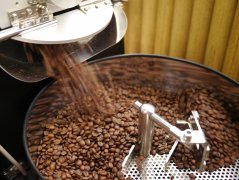
Understanding Coffee Roast Levels: Light to Dark
Learn how coffee roast levels—from light to dark—affect flavor, acidity, and usage. Explore 8 roast stages with expert guidance.

How to Steam Milk for Coffee: Best Latte Art Milk Foam Technique
Learn the exact steps to steam milk for perfect microfoam, with target temperatures and foam texture tips for latte art.
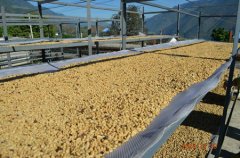
Natural Coffee Processing: The Sun-Dried Method Explained
Learn how sun-drying—coffee’s oldest processing method—works, how long it takes, and why it boosts fruitiness and body.

What Is Washed Coffee Processing?
Washed coffee processing boosts brightness and clarity. Learn how water-washed beans are made, why they taste so clean, and their environmental cost.

What Is Brazilian Semi-Washed Coffee Processing?
Brazil pioneered semi-washed (pulped natural) processing in the 1990s to boost cup quality. Here’s how it works and why it changed the game.