
Coffee Technology
Latest articles, industry insights and brewing guides

How Coffee Beans Are Graded by Screen Size and Defects
Learn how coffee beans are graded using screen size, defect counts, and cupping scores — key factors in determining quality.

How Coffee Bean Size Affects Quality via Sieve Grading
Learn how coffee beans are graded by size using sieve numbers—where larger beans often mean more complex flavors, but not always better quality.
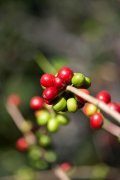
How Coffee Growing Altitude Affects Quality and Grading
Learn how altitude affects coffee flavor and see how countries like Guatemala grade beans by elevation, with SHB and HB tiers explained.

How to Get Perfect Milk Foam for Latte Art
Learn how steam pressure, temperature, and pouring technique create microfoam for cappuccinos and latte art — with details straight from the steam wand.
How to Froth Milk and Pour Latte Art with Perfect Crema
Learn how to properly integrate espresso and milk, then pour classic latte art like hearts and leaves with the right technique.
Latte Art Basics: Free Pour vs Etching Techniques
Learn the two main latte art methods—free pouring to create designs while pouring milk, and etching to carve patterns with tools after pouring.
How to Choose Latte Art Tools and Master the Basics
Learn the two main latte art techniques—free pouring and etching—and get a breakdown of the essential tools, from grinders to steam wands.
How Korea’s Core Barista Team Makes Popular Coffee
Watch Korea’s Core Barista Team barista JimKyu Kim in action, showcasing techniques behind popular Korean-style coffee. Discover key elements in this featured video.
Japanese Latte Art: Nowtoo Sugi & Yamamoto’s Creative Designs
Discover the vibrant latte art of Japanese artists Nowtoo Sugi and Kazuki Yamamoto, who craft eye-catching coffee designs with syrup and detailed figures.
How to Pour a Heart Latte Art Design in 6 Steps
Learn how to make a heart-shaped latte art pattern by pouring milk from the center, using tilt and movement to shape the design.
3D Latte Art: How Kazuki Yamamoto Crafts Lifelike Designs
Discover how Japanese barista Kazuki Yamamoto creates stunning 3D latte art, including a lifelike giraffe, with detailed techniques and inspiration.
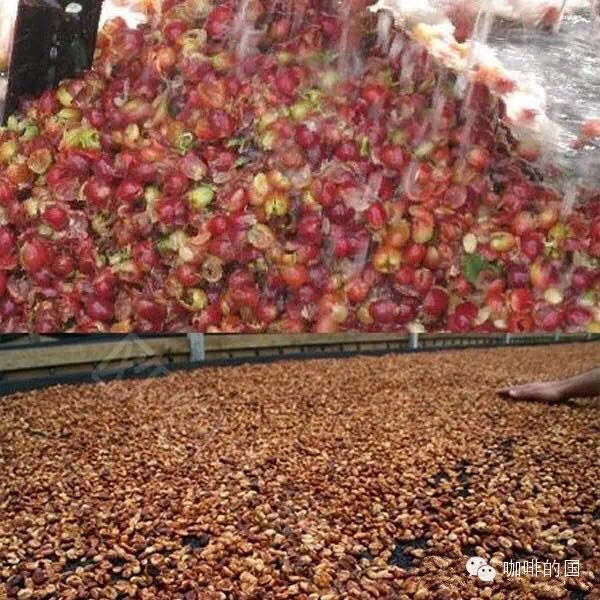
What Is Honey Processed Coffee and How Does It Work?
Learn how honey processed coffee beans are dried with varying amounts of fruit mucilage, creating unique sweetness and acidity profiles.
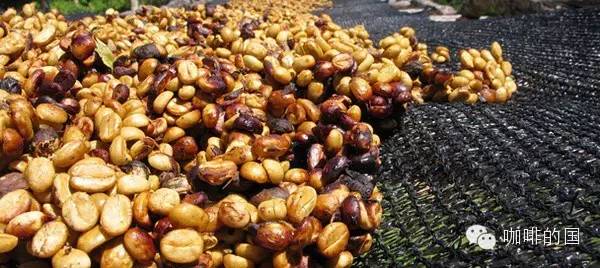
How Honey Processed Coffee Is Made and Graded
Learn how honey process coffee is made, graded by color and mucilage level, and what flavors each style delivers.
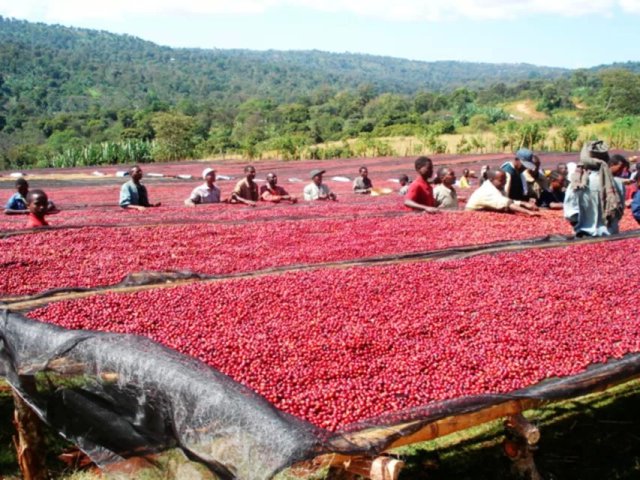
How Honey Process Coffee Is Made and Graded
Learn how honey processed coffee is made, graded by color and mucilage levels, and what affects its flavor profile. Key facts from Costa Rica and Ethiopia.
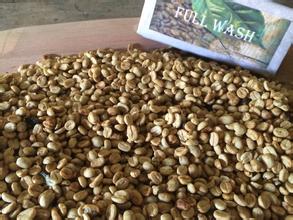
What Is Costa Rica Red Honey Coffee Processing?
Learn how Costa Rica’s red honey process works, its flavor impact, and how it compares to yellow and black honey coffees.
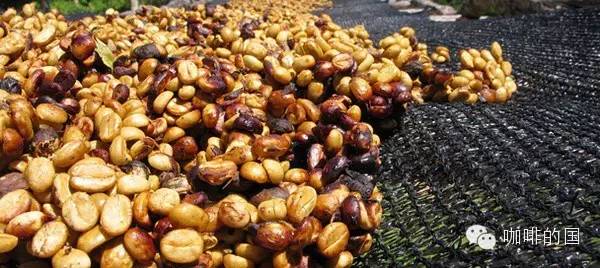
What Is Honey Process Coffee From Costa Rica’s Central Valley?
Learn how honey-processed coffee, especially from Costa Rica’s Central Valley, gets its sweetness and what red, black, and yellow honey grades mean.
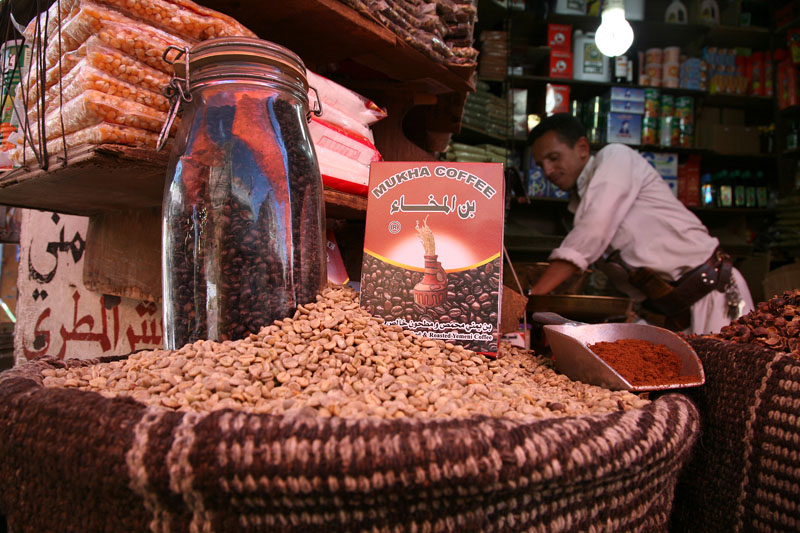
What Is Honey Process Coffee? And How Much Mucilage Is Left?
Honey process coffee leaves varying levels of fruit mucilage on the bean—typically 40% to 100%. Learn how mucilage amounts affect flavor and drying.
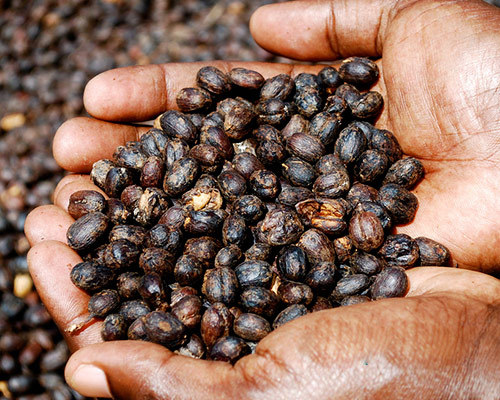
How Costa Rica Processes Coffee: Washed, Honey, and Natural Methods
Explore Costa Rica’s four main coffee processing methods—washed, honey, semi-washed, and natural—with details on fermentation, drying, and flavor impacts.
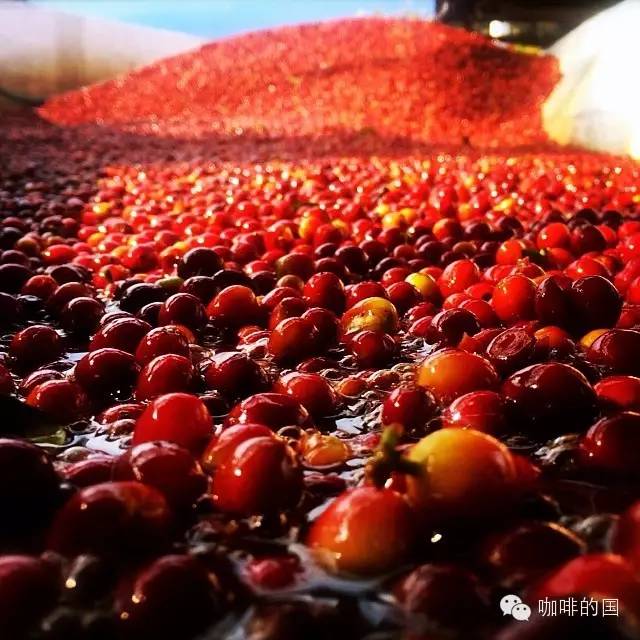
How to Choose Honey Process Coffee Beans
Learn what makes honey processed coffee special, how it's made, and whether it's better for pour-over or espresso, with a focus on Costa Rican beans.
How Honey Processed Coffee Beans Are Graded
Learn how honey-processed coffee is graded by mucilage retention levels and color, and how these affect flavor. Key details from Costa Rica and Ethiopia.