
Coffee Technology
Latest articles, industry insights and brewing guides
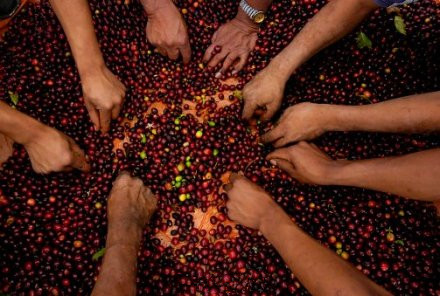
How Coffee Cherries Become Green Coffee Beans
Learn how coffee cherries are processed into green beans through methods like natural, washed, and semi-washed—each impacting flavor and quality differently.
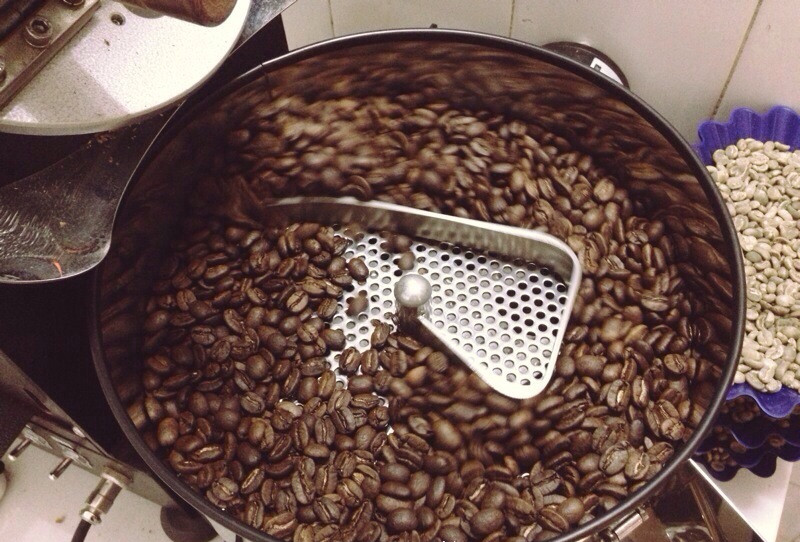
Key Chemical Reactions That Happen During Coffee Roasting
Learn the essential heat-driven chemical changes in coffee beans during roasting—from caramelization to Maillard—and how they shape flavor.
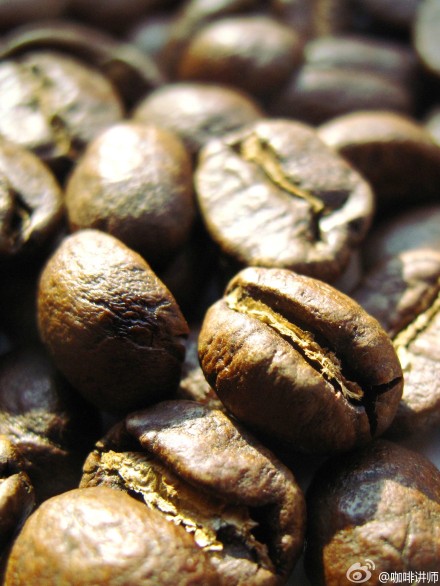
How to Know When to Stop Coffee Roasting
Learn the key signs — color, time, temperature, smoke — and why stopping just before your target roast level is crucial for flavor control.

How to Steam Milk for Perfect Coffee Foam
Learn how to create stable, long-lasting milk foam for latte art using the right milk fat content and proper steaming technique.
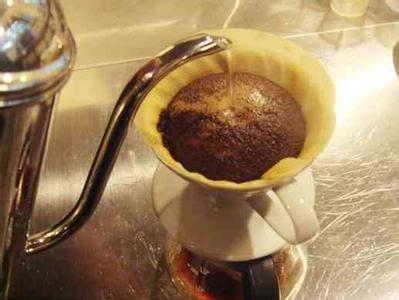
Key Terms in Coffee Extraction Explained
Learn what blonding, channeling, and crema really mean in espresso brewing — with exact numbers and visual cues for better shots.
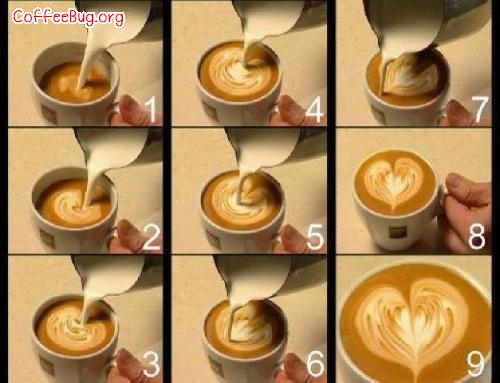
Why Whole Milk Foams Easier Than Skim Milk
Whole milk foams better due to higher fat content and protective protein films around fat globules, creating more stable microfoam.
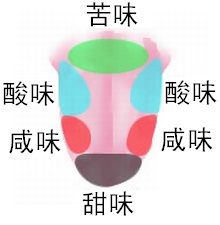
The Truth About Your Coffee Taste Map
Your whole tongue detects all five tastes—sweet, sour, salty, bitter, umami—not just certain zones. Here’s what science really says.

6 Essentials for Brewing Perfect Coffee at Home
Learn the six key steps to brewing better coffee at home, from buying fresh whole beans to using the right tools and ratios.

Understanding Brew Ratio and Extraction for Single Origin Coffee
Learn how changing brew ratios, extraction rates, and concentrations affect your single origin pour-over. Discover why 1:16 is often ideal.

SCAA Gold Cup Standards for Drip Coffee Ratio
Learn the ideal coffee-to-water ratio, extraction rate, and TDS range for SCAA Gold Cup drip coffee, plus key brewing variables.

How Long Do Roasted Coffee Beans Stay Fresh?
Roasted coffee beans remain fresh for about 10 weeks if stored properly. Their prime flavor lasts around 3 to 5 weeks after roast.
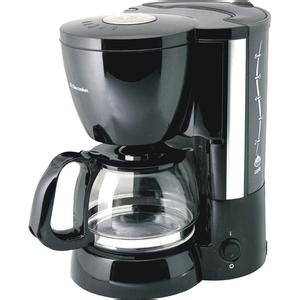
Coffee Machine Maintenance: 6 Essential Care Tips
Keep your home coffee machine running longer with these six key maintenance habits, from proper placement to regular cleaning schedules.

How Much Caffeine Is Really in Your Drink?
Find out the exact caffeine content in coffee, tea, energy drinks, and more. See how your daily pick-me-up compares.

How to Taste Coffee Using the Three Senses and Four Flavors
Learn how to evaluate coffee by smell, taste, and mouthfeel, plus the four key flavor traits: aroma, acidity, body, and overall flavor.
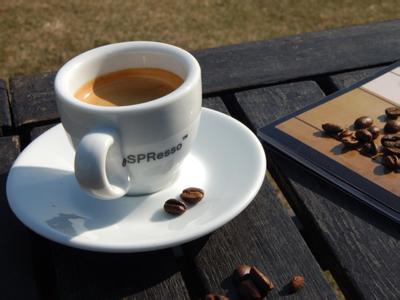
Why You Should Drink Brewed Coffee Within 10 Minutes
Freshly brewed coffee loses flavor and becomes contaminated within 10 minutes due to fungal exposure and tannin oxidation. Here’s why timing matters.

What Is the Maillard Reaction in Coffee Roasting?
Learn how caramelization and the Maillard reaction create coffee’s aroma and flavor during roasting. Discover the key temperatures and chemical steps.
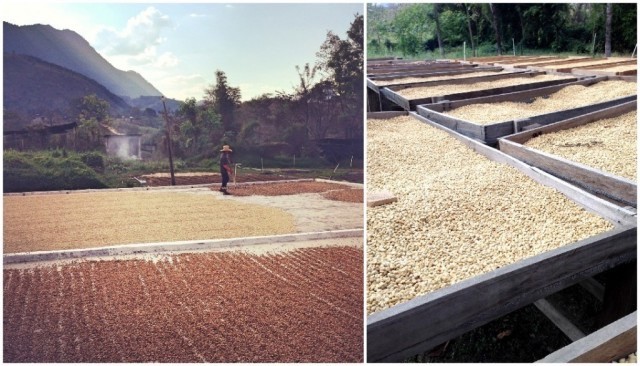
What Is Honey Process Coffee?
Honey process combines washed and natural methods by leaving varying amounts of mucilage on beans during drying. Learn how it affects flavor.

Why We 'Brew' Coffee Instead of Just Boiling It
Coffee isn’t made like tea—you can’t just boil the beans. Here’s why brewing requires roasting, grinding, and controlled extraction.

Why Do Cafés Serve Water or Lemon Water with Coffee?
Most cafés offer water or lemon water with coffee to aid hydration, cleanse your palate, and improve your tasting experience.

6 Factors That Affect Milk Foam for Latte Art
Learn how milk temperature, fat content, steam pressure, and cup shape impact your milk foam quality for better latte art results.