
Specialty Coffee Beans
Latest articles, industry insights and brewing guides

How Elevation Shapes Coffee Flavor
High-altitude coffee grows slower, developing more complex sugar and acid profiles. Learn how elevation influences taste and what to expect from different growing zones.
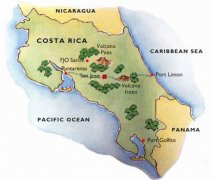
Costa Rica Tarrazú Coffee: Light, Pure Flavor Profile
Learn why Costa Rica’s Tarrazú coffee offers light, clean flavors and floral aromas, thanks to high-altitude volcanic soil and careful processing.

What Is Con Panna Espresso? Classic Italian Coffee Guide
Con Panna is a classic Italian espresso topped with whipped cream. Learn how it’s made, why it exists, and what makes the coffee-cream contrast so special.
How to Tell if Coffee Beans Are Fresh: 4 Simple Checks
Use your nose, eyes, hands, and color to spot fresh coffee beans. These four straightforward methods help ensure quality and flavor.

What Is Espresso Crema and How Is It Made
Learn what espresso crema is, how it forms, and what factors influence its color, stability, and what it tells you about your shot.
How Long Does It Take to Make Ice Drip Coffee?
Ice drip coffee takes at least 8 hours to brew using cold water and a slow drip method, resulting in a smooth, sweet, and aromatic cup.
What Coffee Cupping Really Tells You About Different Beans
Cupping lets you compare coffees fairly by removing brewing variables. Done right, it reveals subtle flavor, body, and freshness differences between beans.

Why You Need a Coffee Tamper for Espresso
A coffee tamper ensures even pressure and extraction by compacting grounds evenly—key for balanced espresso shots under 9 bar pressure.
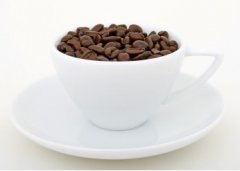
How Coffee Cup Material Affects Flavor
Discover why cup material—especially bone china—affects coffee temperature, aroma, and taste. Learn which ceramics preserve your brew best.
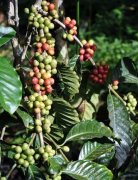
What Is Kopi Luwak Coffee and How Is It Made?
Kopi Luwak, or civet coffee, is made from beans eaten and excreted by civets. Find out how this rare Indonesian coffee gets its unique flavor.

Why Freshly Ground Coffee Matters: The Science of Coffee Bean Grinding
Learn why freshly grinding coffee just before brewing preserves aroma, flavor, and extraction. Discover how surface area and oxidation degrade coffee over time.
How Many Coffee Beans Does One Tree Actually Produce?
A single mature coffee tree yields 3–5 kg of fruit, yielding just 0.6–1 kg of green coffee beans. Here’s the full breakdown.
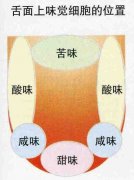
How to Taste Acidity in Coffee Without Confusing It With Sourness
Learn how coffee professionals define acidity—not as sourness, but as brightness—and how to identify it properly across different origins and roast levels.

How and When to Grind Specialty Coffee Beans
Learn the best time to grind coffee, how grind size affects brew, and why cleaning your grinder matters. Facts from specialty brewing practice.

What Is Caffeine in Coffee? Key Bean Components Explained
Learn what caffeine does in coffee, how it compares to other compounds like tannins and fats, and why grind timing matters for flavor.
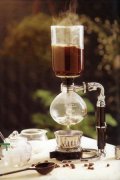
The History and Basics of the Siphon Coffee Maker
Learn how the siphon coffee maker was invented in 1840, refined in France and Japan, and became a cult favorite for its theatrical brewing.

Why You Shouldn't Drink Coffee While It's Too Hot
Tasting scalding coffee ruins its flavor. Let it cool slightly—ideally to 61–62°C—and enjoy it within 10 minutes for the best cup.
What Is Mocha Coffee and Why Is It So Special?
Mocha coffee, originating from Yemen, is the world’s oldest cultivated coffee with deep chocolatey acidity and complex fruit-spice aromas. Learn its history and what makes it unique.

Why Does Coffee Taste Acidic — And Is It Bad?
Acidity in coffee is often misunderstood. Learn which factors drive sourness, how roast level and brew method affect pH, and what really makes a coffee 'too acidic.'
Why Coffee Has Over 800 Aromas — Explained
Coffee boasts more than 800 identified aromatic compounds. Discover how roast level and chemical reactions create its complex scent.