
Specialty Coffee Beans
Latest articles, industry insights and brewing guides
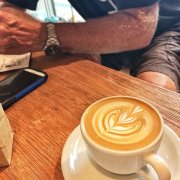
What You Should Know About Coffee’s Best Companion
Find out the ideal coffee temperature, how to taste it right, and why certain add-ins like creamers or white sugar aren’t ideal.
Does Drinking Coffee Darken Your Skin?
No, coffee doesn't darken your skin. In fact, it offers antioxidants that help fight UV damage and slow skin aging.
Three Daily Coffees May Help Prevent Gallstones
Drinking three cups of caffeinated coffee per day may reduce cholesterol buildup in bile, lowering gallstone risk. Here’s what research and experts say.
How Much Caffeine Is in Your Coffee? Health Facts
Learn how much caffeine is safe, where it comes from, and how it affects your health — backed by numbers and expert findings.

How Does a Siphon Coffee Maker Work? The Science Behind the Method
A complete guide to siphon coffee brewing, covering its history, how it works, and step-by-step instructions for brewing great coffee.

How Coffee Blends Are Made and Why They Matter
Explore how coffee blends are crafted, why they’re used, and what goes into creating balanced, flavorful profiles for espresso and filter.
Common Espresso Issues: What Causes Channeling in Coffee Machines
Learn why your espresso has channeling, weak crema, or sour taste — and how to fix it with proper grind, tamp, and brewing techniques.
How Low-Caffeine Coffee Is Made and Why It Has Almost No Caffeine
Low-caffeine coffee contains under 0.3% caffeine—about 5mg per cup. Learn the three methods used to remove nearly all caffeine while keeping some flavor.
6 Steps to Brewing Perfect Coffee at Home
Learn how to make consistently great coffee by choosing quality beans, grinding fresh, using proper ratios, and storing beans correctly.

Why Paris Is the World’s Most Relaxing City for Coffee
Paris has nearly 12,000 cafés where people linger over coffee for hours. Discover why this city turns a simple drink into a whole lifestyle.
Why Africans Don’t Drink Much Coffee at Home
Despite being the birthplace of coffee, many Africans rarely drink it daily—here’s why, based on visits to Ugandan coffee farms.

Do Coffee Tasters Really Use a Taste Map?
No, the tongue doesn’t have dedicated zones for each taste. Every part can detect sweet, salty, sour, bitter, and umami equally well.

Australian Cafe Discounts Coffee for Polite Customers
A Sydney-area cafe in Australia offers discounts based on politeness: saying 'please' and 'good morning' can save you up to $1 on your coffee.
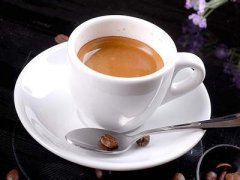
Espresso Tamper Guide: Size, Shape, and Pressure Explained
Find out the ideal tamper pressure, size, and shape for consistent espresso extraction, and learn how tampers affect your shot quality.
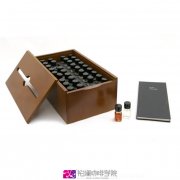
What Is the Coffee Taster’s Flavor Kit – Le Nez du Café?
Le Nez du Café is a set of 36 aromatic vials used to train coffee professionals’ noses. Here’s how it works and why it matters for specialty coffee.

The Three Waves of Coffee Explained
Learn how coffee culture evolved through three distinct waves—from instant mixes to specialty brews—and what each means for your cup today.
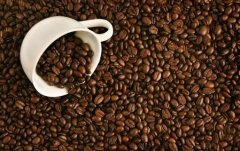
Will Italian Espresso Replace Traditional Greek Coffee?
Italian espresso is booming in Greece, but traditional Greek coffee isn’t dead yet. Here’s why both may coexist — for now.
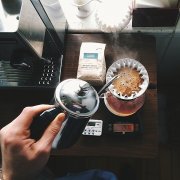
Why Great Coffee Shops Serve More Than Just Coffee
The best specialty cafes don’t just sell coffee—they offer food too. Here’s why great coffee experiences often include a few well-chosen bites.

What’s Really in Your Coffee? Key Coffee Components Explained
Understand tannic acid, fats, proteins, sugars, caffeine, and other compounds that shape your coffee’s flavor, aroma, and freshness.
What Is C8H10N4O2? The Science Behind Caffeine
C8H10N4O2 is the chemical formula for caffeine, also known as 1,3,7-trimethylxanthine — a natural stimulant found in coffee. Here’s what that means.