
Specialty Coffee Beans
Latest articles, industry insights and brewing guides

Brazil Coffee Beans: Low-Acid, Medium-Roast Origins
Brazil produces 30% of the world’s coffee with low acidity and balanced body—ideal for medium roasts. Discover its farming scale and flavor profile.

How Bolivia’s Hedge Coffee Trees Became Export Beans
Bolivia’s coffee trees once grew as garden hedges—but a 1957 frost in Brazil boosted production. Learn where Bolivian beans were grown and why their early exports lacked finesse.

Puerto Rico's Coffee: Once World's Sixth Largest Export
Puerto Rican coffee once ranked sixth globally in exports by 1896, with premium beans like Yauco Selecto still sought after today.

Why Panamanian Coffee Is Smooth, Light, and Bright
Panamanian coffee is known for its smooth mouthfeel, bright acidity, and lightweight body—qualities shaped by high-altitude growing regions.

Top Nicaraguan Coffee Ranks Among World’s Best
Nicaragua produces some of the world’s finest mild, aromatic coffees, grown mainly in the northern highlands near Jinotega and Matagalpa.

Mexico’s Specialty Coffee: Smooth, Aromatic, and Underappreciated
Mexico ranks as the world’s fourth-largest coffee producer, yielding 5 million bags annually, mostly from smallholder farms. Discover its smooth, aromatic beans.

Martinique: The Birthplace of Coffee in the Americas
The first coffee tree in the Western Hemisphere was brought to Martinique in the 1720s. Learn how this small Caribbean island launched coffee cultivation across the Americas.

Is Jamaican Blue Mountain Coffee the Best in the World?
Jamaican Blue Mountain is among the world’s most expensive and balanced coffees, but its prestige is rooted in scarcity, strict quality control, and unique growing conditions.

Why Honduras Produces High-Acid Specialty Coffee
Honduras grows high-acid, high-quality coffee graded by elevation. Learn how altitude and climate shape its flavor profile and global export.

Where Haiti’s Best Coffee Grows: The Northern Region
Most of Haiti’s high-quality coffee comes from the northern region, grown naturally due to limited farmer resources. The beans offer mild acidity and full body.

Guatemalan Coffee Beans: Production and Quality Today
Explore how Guatemalan coffee, famed for high-altitude flavor and once-prized beans, maintains quality amid modern challenges.

Guadeloupe’s Lost Coffee Legacy Explained
Once a leading coffee producer, Guadeloupe now grows just 150 hectares of coffee—here’s how natural disasters, policy shifts and labor costs caused its decline.

Salvadoran Coffee Beans Known for Exceptional Balance
Salvadoran coffee offers uniquely mild, well-balanced flavors, with 40% of exports defined by this consistent cup profile.

Dominican Republic Coffee: Sweet, Full-Bodied Beans
Discover the sweet, well-rounded flavor of Dominican Republic coffee, especially from the washed beans of Juncalito, Ocoa, and Barahona.

Cuban Coffee Bean Production Explained
Find out what makes Cuban coffee unique, especially its premium Turquino grade, and why political factors shaped its global reach.
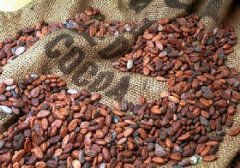
Why Costa Rican Coffee Beans Are So Full and Bright
Costa Rican coffee boasts dense beans, vibrant acidity, and bold aroma due to high-altitude farming and meticulous processing—especially in regions like Tarrazú.

How Much Coffee Is Too Much in a Day?
Most adults can safely consume up to 400mg of caffeine daily — about four cups of brewed coffee. Learn safe limits, risks, and alternatives.

12 Classic Coffee Types You Should Know
Explore 12 classic coffee drinks from Italian espresso to Irish coffee, with details on ratios, techniques, and serving styles.

7 Proven Beauty Benefits of Drinking and Using Coffee
Coffee isn’t just for energy—it also offers real beauty perks, from antioxidant protection to reducing puffiness and improving skin texture.

How Coffee Interferes with Medication Absorption
Certain medications interact badly with coffee. Find out which drugs are affected and whether you need to skip your morning brew.