
Coffee Farm
Latest articles, industry insights and brewing guides
Guyane française Suriname fine coffee beans origin introduction Suriname fine coffee beans origin history
Suriname was the first country in South America to grow coffee, and Norway was once a major importer of coffee products from Suriname. Today, however, the country produces very little and is mentioned here only for historical reasons. The Dutch, who settled Suriname in 1667, introduced coffee trees from Java in the early 18th century. The first coffee trees were donated by the mayor of Aspen to a
A brief introduction to the Flavor of Fine Coffee beans in the South American country of Venezuela the Bolivarian Republic of Venezuela
The distinctive manor coffee comes from this oil-rich country. Oil was once considered to be the main export of Venezuela. Although coffee trees were introduced from Martinique in 1730 and Venezuela, coffee production was almost abandoned at the height of the oil industry. Recently, coffee plantations have begun to recover, with the original planting of Tipica and
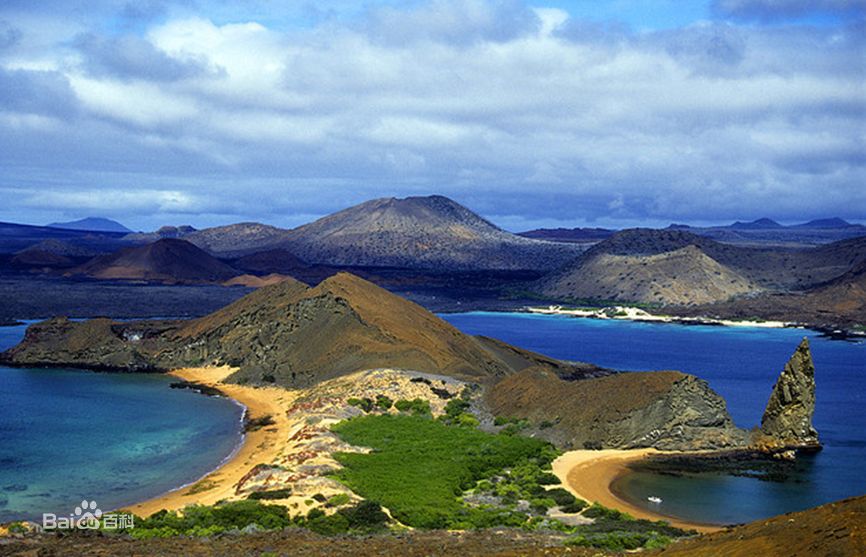
A brief introduction to the Flavor of Fine Coffee beans in the Galapagos Islands of Ecuador
Coffee treasures from the hometown of giant turtles, which are of excellent quality and do not use any chemicals when growing. Coffee is grown in San Cristobal (Saint Crstbal). St. Cristobal is a larger island in the Galapagos Islands (Galapagos Islands) and the only one in the archipelago with plenty of fresh water. At 410 meters above sea level on the island
Evaluation and description of the Flavor of mixed Coffee beans in Peru
Coffee is high-quality and balanced and can be used for mixed drinks. Peru (Peru) is also a big coffee producer. Up to 98% of Peruvian coffee is grown in forest areas, and most producers are small farmers. Peru has good economic conditions and a stable political situation, thus ensuring the good quality of coffee. However, there are many local problems, in addition to guerrilla warfare and drug trafficking, in the 20th century
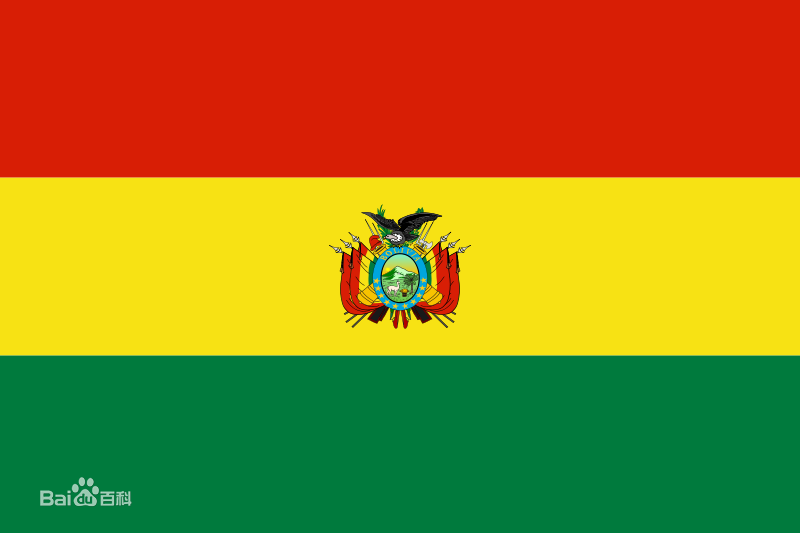
A brief introduction of Bolivian Fine Bean Flavor in South America description and Evaluation of Bolivian Coffee Flavor
In the past, coffee trees in Bolivia used to act as hedges and ornaments around the garden. Real commercial production began in the early 1950s. The great frost of 1957 seriously damaged Brazil's coffee industry, while Bolivia (Bolivia) benefited from it and developed rapidly. Bolivian coffee is grown at an altitude of 180,670 meters above sea level.
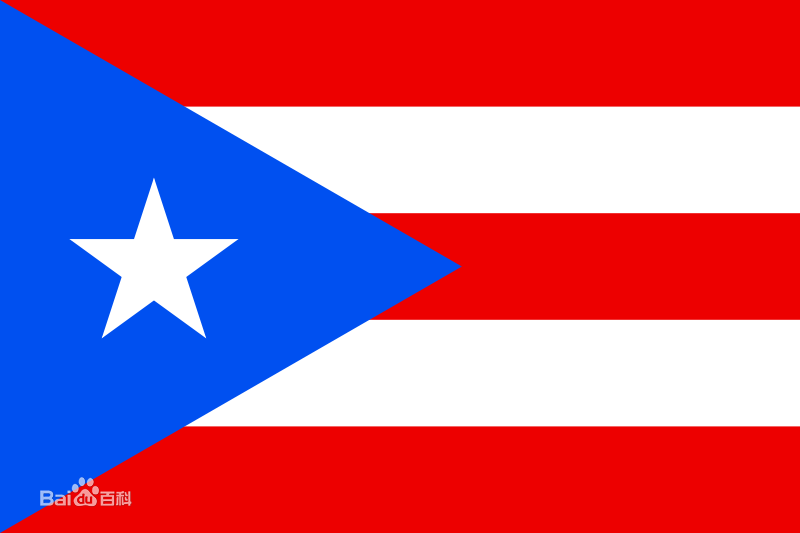
A brief introduction to the Flavor of American Puerto Rico Coffee beans,
In 1736, coffee trees were introduced from Martinique to Puertp Rico. Most of the early coffee was grown by immigrants from Corsica. By 1896, Puerto Rico was the sixth largest exporter of coffee in the world, with most coffee shipped to France, Italy, Spain and Cuba. Coffee farms flourished in the 19th century, but sugar cane and drug farming flourished
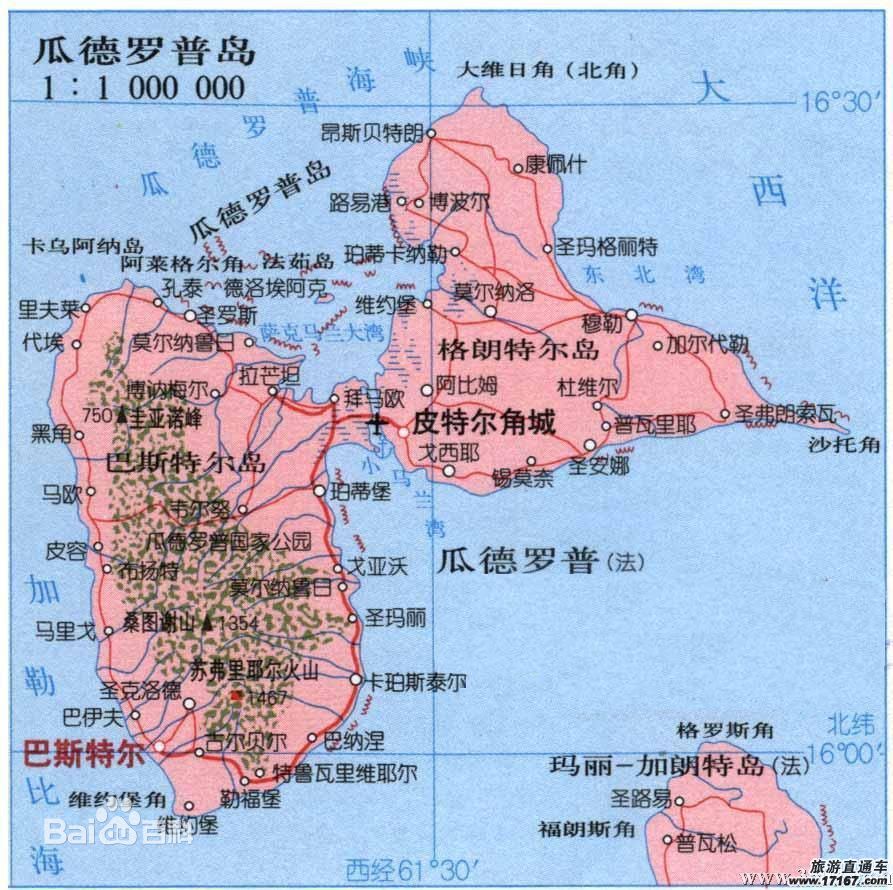
A brief introduction to the Flavor of Fine Coffee beans in French Guadeloupe Island in Africa
Good coffee production has been affected by natural disasters this group of islands in the Caribbean used to be an important producer of coffee. In 1789, more than 1 million coffee trees on 500 hectares of land produced 4000 tons. Today, only 150 hectares of land is used to grow coffee. This decline can be attributed to the increase in sugar cane and banana production and Hurricane Hurricane Ines in 1996.
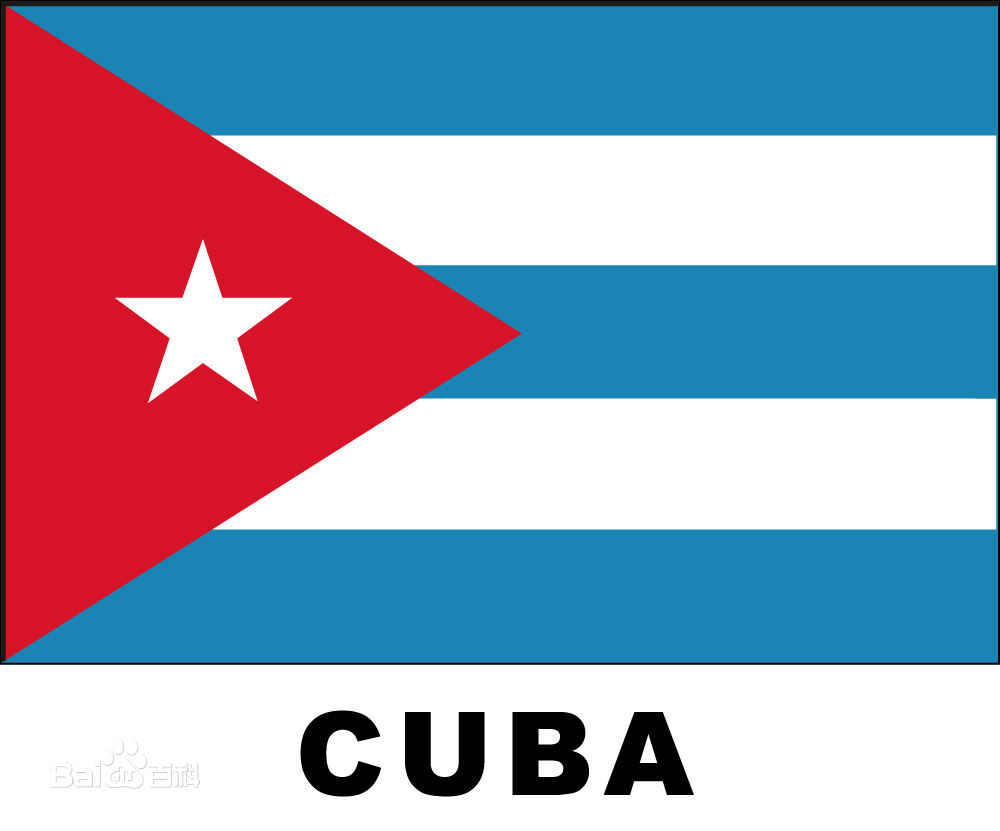
Cuba Fine Coffee Bean introduction and description of Fine Coffee Bean Flavor in the Republic of Cuba
It would be a pity if the country that produces cigars does not have the best coffee to match it. The best coffee in Cuba (Cuba) is Turquino or Extra Turquino. Tujino is a coffee grade, not a place name, just like Blue Mountain. This kind of coffee has a pure flavor
A brief introduction to Mexican Fine Coffee beans the flavor of Mexican coffee in North America introduces the wonderful Mersey
Coffee from the world's fourth largest coffee producer, slippery and fragrant, Mexico, the fourth largest coffee producer in the world, produces about 5 million bags of coffee a year. Most of its coffee is produced by nearly 100000 small farmers, and large estates that once manipulated the coffee industry are rare. The yield of Mexican coffee is about 630 kg per hectare. Later, the Mexican Coffee Association (Instituto Mexicano)
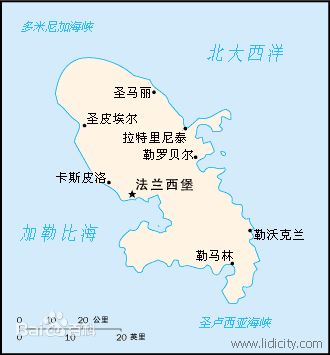
Central American French Martinique Fine Coffee Flavor Martinique Coffee introduced French species
Martinique is a small island and the birthplace of coffee in Central America, but it produces very little coffee today. The first coffee tree in the Western Hemisphere was brought from France by Gabriel Mathieu de Clieu in the early 1820s. In his early years, Dirkley was a naval officer in Martinique. He brought back a coffee tree and planted it in Pu.
Haitien coffee beans Haiti boutique coffee flavor introduction Caribbean Haitien coffee African sea
Good coffee from a politically troubled land Despite its well-known problems and fluctuating coffee quality, Haiti is still trying to produce some good coffee. Most of the coffee produced in Haiti is grown in a purely natural state, not intentionally but as a result of material shortages, because farmers are too poor to afford it.
Flavor Evaluation of Honduran Fine Coffee beans Honduran Coffee Central American country Honduran Coffee
Flavor and taste characteristics: good flavor, rich and mellow, suitable for mixed drinking. Honduras is located in the north of Central America, facing the Caribbean Sea to the north, the Gulf of Fonseca in the Pacific Ocean to the south, Nicaragua and El Salvador to the east and south, and Guatemala to the west, mostly mountains and plateaus. It has a tropical climate, mild temperature and abundant rainfall, so it is an ideal place for coffee growth. Honduras
Characteristics of Kenyan Coffee producing areas introduction of Kenyan Coffee Flavor Kenya Coffee
It originated in Kenya in the 19th century, when Ethiopian coffee drinks were imported to Kenya through Southern Yemen. But it was not until the early 20th century that the bourbon was introduced by the St. Austen Mission (St.AustinMission). Kenyan coffee is mostly grown at an altitude of 1500m, 2100m, and is harvested twice a year. To ensure that only ripe berries are picked, people must
Introduction of Salvado Elephant Bean Coffee Shalvadoca
Pacamara is a combination of El Salvador bourbon dwarf Pacas and elephant beans (pacas x Maragogype), with sour and sweet fruit, sometimes biscuit, sometimes fruit, good firmness and smoothness, suitable for eosinophiles, and the overall flavor is much better than that of elephant beans. Its most important feature is its high viscosity and greasy sensation. The acidity of shallow baking is similar to that of green apples.
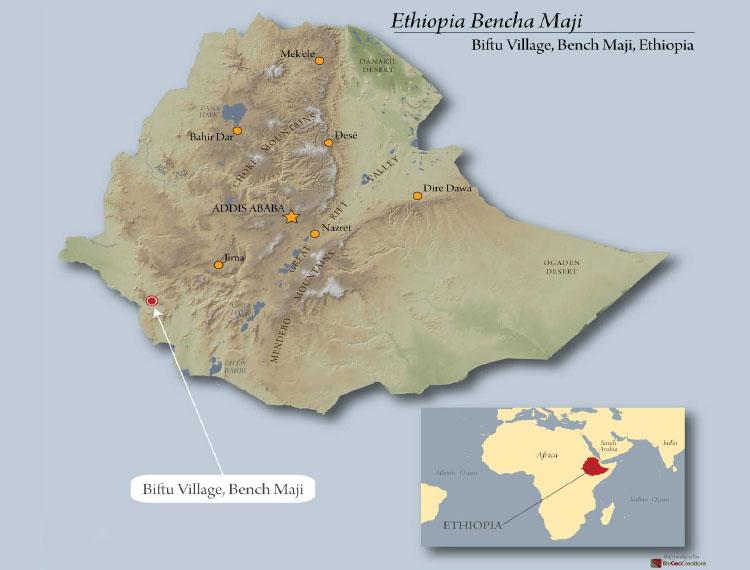
Ethiopian Bancima Sunrose Summer Bancima Coffee Flavor Description Introduction Bancima
Flavor Description: Intense fruity flavours (strawberry, cherry), pure palate, light acidity, milk chocolate on the palate, medium body, variegated spice flavours. Bench Maji, located in southwest Ethiopia, not far from neighboring Sudan, is easy to find with Google map search. Gesha Estate
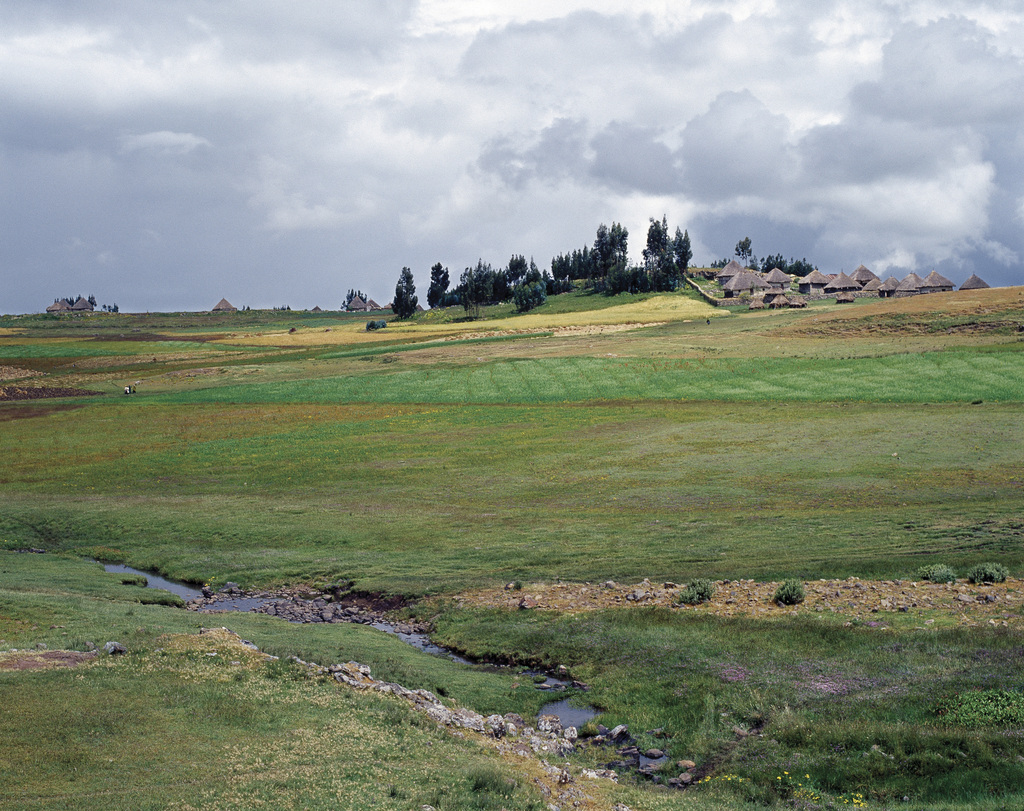
Flavor evaluation of Ethiopian coffee beans Starbucks Ethiopian varieties of coffee beans
Ethiopia is one of the major producers of Arabica coffee in Africa, producing the best Arabian coffee in the world. It is said that coffee was first discovered by shepherds in Essekafa, and the name of coffee evolved from Kafa, so Essex is still the hometown of coffee. The geographical environment of coffee production and processing is very suitable for coffee growth. Coffee is mainly cultivated.
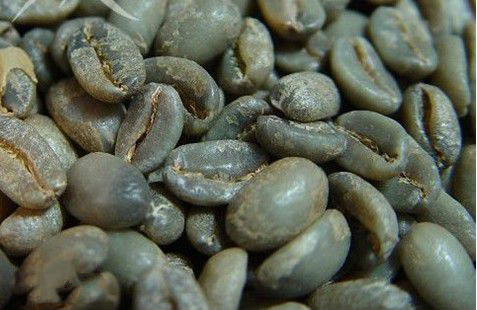
The flavor, characteristics, history and introduction style of Panamanian Rosa Coffee from Panama
In the early years, the identification of top coffee mostly followed Japan, the king of coffee, the Blue Mountains of Jamaica and Kona, Hawaii, but with the continuous improvement of the standard of coffee-producing countries and the sharing of information, we were exposed to more high-quality coffee. This coffee bean Panama Rose Summer has become the new king of coffee in recent years. The species of Geisha was derived from Ethiopia in 1931.

Asian Coffee Manor Coffee beans in Australia are moderately sour and slightly bitter.
Flavor characteristics: moderate sour taste, slightly bitter taste. If Italian coffee makes people like it deeply, then Australian coffee makes people have a calm love, although it will not be crazy enough to lose its mind, but it will be a little disconsolate when it is lost. Few people know that coffee is produced in Australia, but the coffee produced in Australia is actually of high quality. Australian coffee
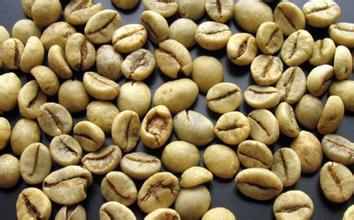
Asian Coffee Manor Yemeni mocha coffee beans have unique flavor and slightly alcoholic flavor.
Flavor characteristics: spicy and exciting, unique flavor, slightly alcoholic aroma. When many people hear the name mocha coffee, they always think of the fancy coffee mixed with hot chocolate sold in cafes, but as a kind of individual coffee, Yemeni mocha has a unique charm and a long history. The Yemeni mocha is one of the oldest coffee in the world, but until recently,

American Coffee Manor Kona Coffee beans from Hawaii Coffee region of the United States have a rich flavor and aroma.
Flavor and taste characteristics: rich and fragrant taste, uniform acidity, full particles, with cinnamon aroma. When it comes to Hawaii, the first thing that comes to mind is the swaying palm trees and the vast flat sandy beaches, as well as the endless blue sky and blue sea. The unique beauty of Hawaii also gives local coffee a unique attraction. Hawaii is the only state in the United States that grows coffee.