
Coffee Farm
Latest articles, industry insights and brewing guides
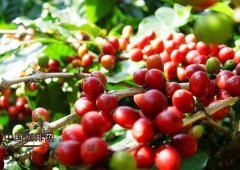
Tanzanian Coffee: Gentle Acidity, Aromatic and Worthwhile
Discover Tanzanian coffee’s bright acidity and floral aromas. Learn why Chagga AA beans and clean washed processing define its premium quality.

What Makes Kenyan Coffee So Special?
Kenyan coffee is prized for its bright acidity, rich fruit flavors, and wine-like complexity. Grown at high altitudes, it’s among the most flavorful coffees globally.
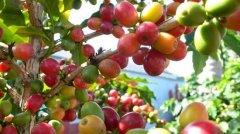
What Makes Australian Coffee Unique?
Australian coffee is known for its smooth profile and a distinctive bitterness due to high caffeine levels, though it rarely reaches export markets.
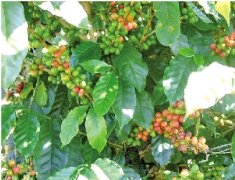
Vietnam’s Rise as a Global Coffee Producer
Vietnam is now the world’s second-largest coffee producer, mainly growing robusta. Discover how its output compares to Brazil and Colombia.

Ethiopian Coffee: Light Fermented Notes with Citrus and Spice
Ethiopian coffee offers delicate flavors of citrus, spice, and honey sweetness with light fermented wine notes. Here’s what makes these beans unique.

How Ethiopia Sun-Dried Coffee Is Processed
Learn how Ethiopia’s iconic sun-dried (natural) coffee is made, from wild trees to cup, and why this method defines its unique fruity flavors.

Ethiopian Coffee Origins and Unique Farming Regions
Explore Ethiopia’s key coffee-growing regions, wild coffee varieties, and the distinct profiles behind its global specialty fame.

Where Ethiopian Coffee Comes From and How It’s Made
Discover Ethiopia’s role as the birthplace of coffee, its unique wild-growing varieties, key regions like Yirgacheffe and Sidamo, and why light roasts best preserve its delicate flavors.

What Makes Ethiopian Coffee Unique? Specialty Guide
Explore Ethiopia’s role as coffee’s birthplace, its wild-growing trees, and why its high-altitude beans deliver floral, citrusy, and wine-like flavors.

How Colombia Processes Honey Coffee Beans
Learn how Colombia produces its famed honey process coffee, including harvest scale, climate impact, and key production facts.

Colombian Coffee Flavor Profile: Floral, Apple, Walnut, Cane
Explore Colombia’s signature coffee flavors—floral, apple, walnut, and cane—shaped by altitude, processing, and strict quality controls.

Colombian Coffee Regions and Farms Producing Specialty Beans
Discover why Colombia is the world’s second-largest coffee producer with elite washed Arabica beans grown across its Andean highlands.
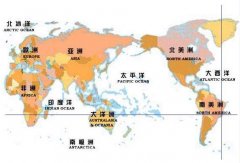
Indonesian Coffee: From Java to Sumatra Single Origins
Java and Sumatra produce some of Indonesia’s most distinctive coffees, with low acidity, full body, and rich spice or chocolate notes.

Where Colombian Coffee Comes From and How It’s Made
Learn how Colombia became the world’s second-largest specialty coffee producer, with unique growing regions, rigorous quality controls, and distinct regional flavor profiles.

What Makes Colombian Coffee Special? Key Traits Explained
Learn why Colombia is the world’s second-largest producer of high-quality arabica, famed for balanced, smooth beans grown across diverse microclimates.
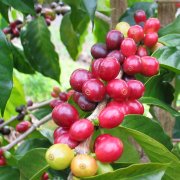
What Is Monsooned Coffee and Why Does It Taste Unique?
Learn how India’s monsooned coffee develops its smooth, mellow profile through a 7-week humidity treatment, and why it has a cult following among specialty drinkers.

The History of Coffee in Taiwan and Its Flavor Profile
Explore how coffee arrived in Taiwan in the 19th century, peaked before WWII, and left a lasting legacy still tasted today.
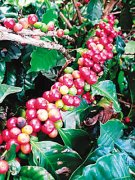
Papua New Guinea Coffee Comes From Small Local Farms
Over 75% of PNG’s specialty coffee is grown on tiny highland farms at 1300–1800m, producing nuanced beans with limited yields.
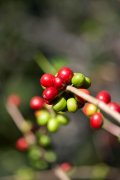
Hawaii Kona Coffee Beans: What Makes Them Exceptional?
Hawaii’s Kona coffee boasts high yields, unique growing conditions, and strict grading — but only 1,400 hectares produce true Kona. Here’s what sets it apart.

How Honduras Coffee Is Processed Using Washed Method
Learn how Honduras coffee is processed via the washed method, producing balanced, bright acidity and wide brewing versatility.