
Coffee Knowledge
Latest articles, industry insights and brewing guides
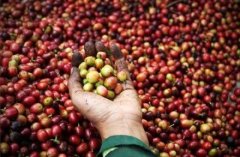
How Defect Coffee Beans Ruin Flavor — A Roaster’s Guide
Learn which common coffee bean defects ruin flavor — moldy, fermented, insect-damaged, and more — and why manual sorting matters before roasting.

What Defines High-Quality Fresh Coffee?
Good coffee starts with defect-free beans, fresh roasting, just-ground coffee, and immediate brewing. Here’s what truly makes a cup great.
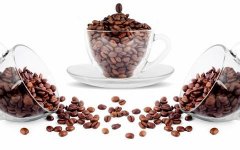
What Is Moderate Roast and Why It Matters for Coffee Flavor
Learn how moderate roast balances coffee’s acidity, sweetness, and bitterness—key to unlocking complex, cup-defining flavors.

Understanding Coffee Roast Stages and Their Flavors
Learn the eight key roast stages for coffee beans, how heat changes flavor, and which roast suits your coffee style.
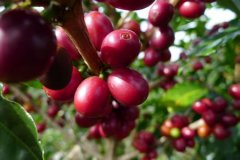
Two Compounds Linked to Coffee Bitterness Identified
Researchers pinpoint two compounds—chlorogenic acid lactone and phenylindane—as key sources of coffee bitterness during roasting.

How to Store Coffee Beans: 5 Essential Methods for Freshness
Learn how to store coffee beans properly with five science-backed methods to preserve freshness, flavor, and aroma longer.
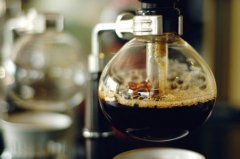
The Eight Stages of Specialty Coffee Roasting
Explore the full range of professional coffee roast levels—from light to Italian—with details on flavor, color, and usage for each.

Common Coffee Roasting Methods Explained
Learn the three main types of coffee roasting: direct-fire, semi-hot-air direct-fire, and hot-air roasting — with their pros, cons, and key equipment.
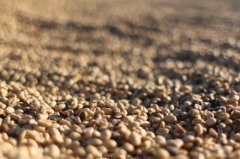
How to Store Coffee Beans for Freshness
Learn the best way to store coffee beans to preserve freshness, including ideal packaging, shelf life, and common mistakes to avoid.

How to Roast Coffee Beans in a Home Frying Pan
Learn how to roast green coffee beans at home using a regular frying pan on a gas stove, with step-by-step instructions and roast levels explained.
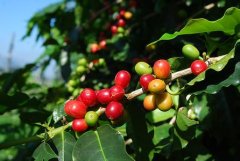
How Coffee Cherries Are Harvested and Processed
Learn why high-quality coffee requires selective picking and how washed and natural processes shape your cup’s flavor.

10 Must-Have Factors for Specialty Coffee Beans
Discover the 10 strict requirements that turn regular coffee beans into certified specialty-grade beans, from varietal selection to moisture control.
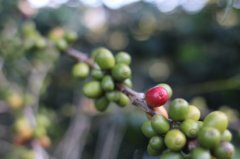
What Is Mechanical Semi-Washed Coffee Processing?
Mechanical semi-washed processing removes sticky mucilage with minimal water and no fermentation, ideal for humid regions. Here’s how it works.
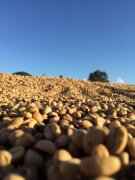
How Brazil’s Pulped Natural Process Removes Mucilage
Brazil pioneered pulped natural coffee processing in the 1990s to improve quality. Here’s how mechanical harvesters, dry mucilage drying, and controlled fermentation create its signature profile.

How Specialty Coffee Farmers Pick and Process Coffee Beans
Learn how ripe red coffee cherries are handpicked, sorted, and processed—key steps that define specialty coffee quality.
How Coffee Beans Are Processed Before Roasting
From pulping to drying, here’s how coffee cherries become green beans before roasting — the essential steps every specialty coffee lover should know.
How Coffee Is Harvested: From Flower to Cherry Pick
Learn how coffee cherries mature, why handpicking matters, and when different regions harvest coffee. Includes details on flowering, ripening, and bean types.

How Coffee Beans Are Picked, Processed, and Dried
Coffee beans come from ripe cherries. Learn how they’re picked, processed, and dried—plus key methods like natural and washed.

What Is Yunnan Small Coffee Bean Variety?
Learn the origins, species, traits, and flavor of Yunnan’s small coffee beans—mainly Typica-based Arabica with a century of cultivation history.
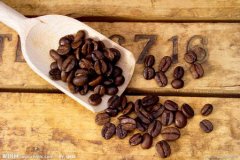
What Honduras Coffee Beans Taste Like
Honduras coffee offers delicate floral-fruit aromas, mild acidity, and a smooth, sweet finish. Ideal for beginners, it’s widely grown at high altitudes.