
Coffee Knowledge
Latest articles, industry insights and brewing guides
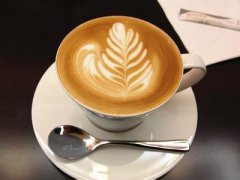
Two Coffee Etiquette Tips for Hosting and Visiting
Learn when to serve coffee black, when to add milk or sugar, and the polite way to finish your cup when visiting.
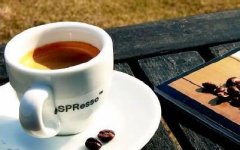
How to Taste Coffee: Basic Steps & Etiquette
Learn how to properly taste coffee—how to hold the cup, add milk or sugar, use a spoon, and avoid common faux pas for a better experience.
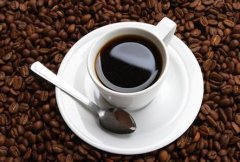
Essential Guide to Brewing Specialty Coffee
Learn how to brew better specialty coffee with the right tools, grind size, water, ratios, and brewing temperatures.
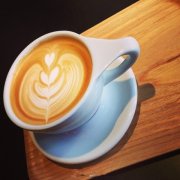
How to Froth and ‘Latte Art’ with Instant Coffee
Yes, you can create latte art-style foam and even 'dancing' layers with instant coffee—no espresso machine needed. Here’s how, step by step.
How to Make Traditional Vietnamese Drip Coffee at Home
Learn the slow-brewed Vietnamese coffee method using a phin filter, condensed milk, and precise drip timing for an authentic cup.

How to Taste Espresso: A Step-by-Step Guide
Learn how to properly taste espresso with these expert steps—rinse your palate, smell first, then sip for layers or full flavor.
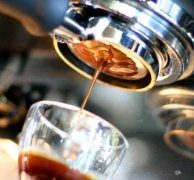
How to Identify a Quality Espresso Shot
Learn how to judge espresso by volume, crema, and aroma. Key signs include 1 oz in 25 sec, 4+ cm crema, and no burnt smell.
Health Benefits and Risks of Drinking Coffee in Moderation
Drinking two cups of coffee daily may lower risks of gallstones and prostate cancer, boost metabolism, and aid digestion — but only in moderation.
Why Water Temperature Matters for Great Coffee
The ideal water temperature range for brewing coffee varies by method—from 92–93°C for espresso to cooler for cold brew. Small changes alter extraction.
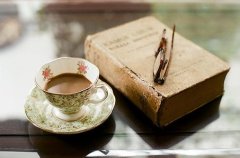
What You Should Know About Italian Lazzza Coffee Beans
Lazzza, founded in 1895, is Italy’s top coffee brand and the world’s third-largest roaster, selling 86,000 tons annually in over 80 countries.
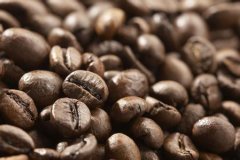
Hawaiian Kona Coffee Beans: Flavor & Origin Guide
Learn what makes Hawaiian Kona coffee special: its full-city roast profile, blue-hued beans, nutty aroma, and smooth, wine-like acidity.
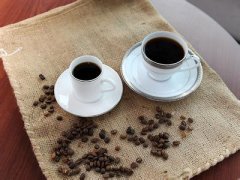
Brazil Coffee Beans: Flavor Profile & Roasting Basics
Explore Brazil’s classic City Roast coffee beans: mild acidity, nutty sweetness, and versatile medium body. Learn what makes Brazilian beans great for blends.
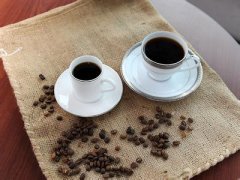
What Is Ethiopian Mocha Coffee? Flavor & Roast Profile
Explore Ethiopian Mocha coffee’s taste, aroma, and roast style — including its signature fruity acidity, sweet balance, and classic City Roast profile.
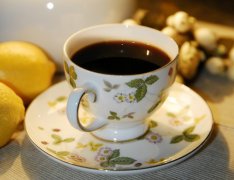
What Does Special Grade Colombian Coffee Taste Like?
Colombian Supremo and Excelso beans offer bright acidity, rich sweetness, and a balanced cup. Learn what makes City-roasted Colombian coffee unique.
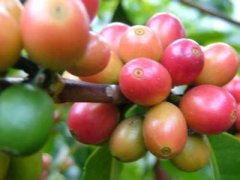
What Is Special Grade Mandheling Coffee?
Learn why Mandheling from Sumatra is bold, low-acid, and rich with earthy sweetness — plus how it became a classic dark roast favorite.
What Is Jamaica Blue Mountain Coffee?
Learn what makes Jamaica Blue Mountain coffee special, including blends, roast levels, flavor traits, and how to spot the real thing.
How Roast Level Shapes Coffee Flavor
Coffee roast level affects flavor, acidity, and caffeine. Learn how light, medium, and dark roasts change your cup.

What Is Coffee Roasting and Why It Matters
Coffee roasting is the essential process that unlocks flavor from green beans. Learn how heat turns raw coffee into aromatic, flavorful brews.
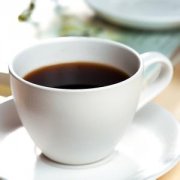
How Coffee Labels Like 'Italian' and 'Vienna' Relate to Roast Levels
Labels like Italian, Vienna, and French Roast don’t indicate origin — they refer to roast levels. Here’s what those common terms actually mean.
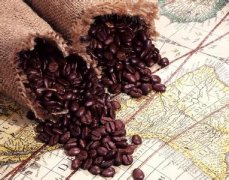
Why Do Some Coffee Beans Look Oily?
Oily coffee beans aren’t actually coated in fat. They’re shiny due to soluble organic compounds. Find out which beans are oily—and why it matters.