
Coffee Knowledge
Latest articles, industry insights and brewing guides
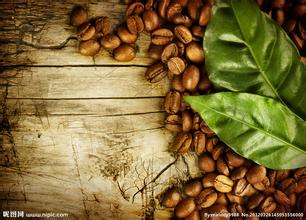
Ethiopian Coffee Grades Explained: G1 to G5
Learn how Ethiopian coffee is graded from G1 to G5, why regions like Yirgacheffe and Sidamo differ, and what the classifications really mean.

What’s Actually in Your Coffee? Key Coffee Components Explained
Learn the roles of coffee’s key compounds—caffeine, tannic acid, fats, sugars, and more—and how they shape flavor, aroma, and effects.

Why Americans Love Americano — And Why Europeans Don’t
Find out why Americans embrace Americano while Europeans mock it — and what really makes a good one.
Why Americans Love Americano — But Others Don't
Discover why Americano is mocked in Europe but popular in the US, and what really affects its flavor.

How to Make Great Americano Coffee at Home
Learn how to brew a great-tasting Americano with the right beans, grind, water, and temperature for optimal flavor.
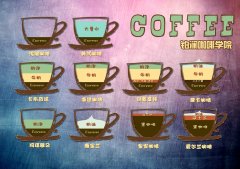
Latte vs Other Milk Coffees: What’s the Difference?
Learn how latte differs from other milk-based Italian coffees like cappuccino or café au lait, including standard ratios and milk usage.

How Caffè Latte Got Its Name and Taste
Learn why 'latte' means milk in Italy, how Caffè latte became a coffee drink, and what makes a great milk-based espresso beverage.

How to Make a Caramel Latte with Espresso
Learn how to make a classic caramel latte using espresso and milk, with ratios, steps, and flavor balance explained.

What Is Café au Lait and How Is It Different from Latte?
Café au lait is a European-style coffee made with equal parts espresso and hot milk, topped with cream. Unlike lattes, both are poured together.

Guatemalan Coffee Growing Conditions and Varieties
Explore Guatemalan coffee’s rich flavors, volcanic terroir, and the Mayan heritage behind the iconic Antigua profile.
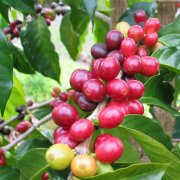
How Kenya Coffee Beans Are Graded and Classified
Learn how Kenyan coffee beans are graded by size, shape, weight, and processing method — including AA, AB, PB, and more.
El Salvador Coffee Growing Regions and Environment
Explore El Salvador's coffee regions, altitude grades, and farming history. Learn why SHB beans thrive in high elevations and how past conflicts shaped production.
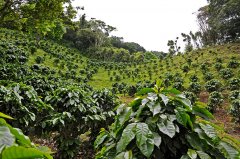
How Countries Grade Specialty Coffee Beans Differently
Explore how global coffee-growing nations use altitude, screen size, and defect counts to classify their specialty-grade beans.
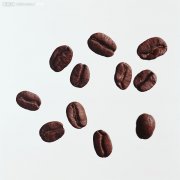
How Specialty Coffee Is Graded by Screen Size and Defects
Specialty coffee grades depend heavily on screen size and defect counts, with limits as low as 4%. Learn how top origins set quality standards.
How Specialty Coffee Is Graded by Screen Size and Defects
Learn how screen size and defect counts define specialty coffee grades. See how countries like Jamaica, Brazil, and Ethiopia sort beans for quality.
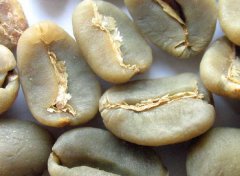
How Coffee Bean Size Is Graded Using Screens
Learn how specialty coffee uses numbered screens—measured in 1/64-inch increments—to grade green beans by size, affecting roast quality and flavor potential.

What Makes Coffee 'Specialty' and Why It Matters
Specialty coffee must come from ideal growing conditions, be defect-free, expertly processed, roasted, and brewed. Here’s the full definition.
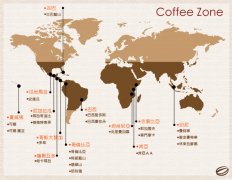
What Is Specialty Coffee? A Beginner's Guide
Learn what sets specialty coffee apart from commercial blends, including key origins, flavors, and what makes fresh-roasted beans truly exceptional.

How Dutch Drip Coffee Uses Cold Water for Slow Extraction
Dutch drip coffee, also called water drop coffee, uses icy water dripping at 40 drops per minute to extract coffee over hours. Here’s how it works.

Vietnamese Drip Coffee: Low-Acid, Bold & Iced
Learn how Vietnamese drip coffee gets its strong aroma, low acidity, and smooth bitterness—with exact temps, grind sizes, and step-by-step instructions.