
Coffee Knowledge
Latest articles, industry insights and brewing guides

How Long Does It Take for Coffee Trees to Bear Fruit?
Coffee trees take 3–5 years to fruit, peak between 6–10 years, and hit full yield around 15–20. Learn what affects growth and harvest.
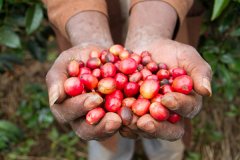
Where Coffee Trees Grow: Ideal Conditions & Key Species
Learn where coffee trees thrive—between the Tropics of Cancer and Capricorn, at high altitudes with cool temps—and why elevation shapes flavor.

Coffee Tree Growth, Climate, and Ideal Planting Conditions
Learn where coffee trees grow best, the key climate factors, and how altitude and soil affect your cup. Includes flowering and fruiting details.
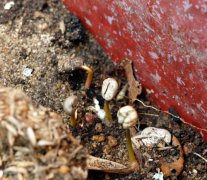
How a Coffee Seed Sprouts Into a Coffee Plant
Learn how a coffee seed develops into a young plant, from initial sprout to early leaf growth—observed at just 5–6cm tall.

How Coffee Grows: From Seed to Harvest in Photos
See how coffee plants develop from seedling to ripe cherry in this step-by-step visual guide, covering germination, flowering, fruiting, and harvest.

How Coffee Grows: From Seed to Harvest
Learn how coffee trees develop, flower, fruit, and are harvested — with key timelines, growing conditions, and labor-intensive processes.

How to Determine the Best Coffee Roast Time
Learn how to judge the ideal roast time for coffee beans using color, smoke, and personal preference—plus tips to refine your roast control.
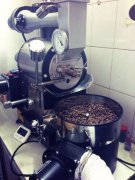
When to Stop Roasting Coffee: Key Signs Explained
Learn how to determine the right moment to stop roasting coffee by color, time, temp, smoke—and why stopping early is better.

How Artisan Software Helps You Control Coffee Roast Curves
Artisan is a free, cross-platform tool that lets roasters track and analyze roast profiles with precision, using temperature data from multiple devices.

What You Need for Pour-Over and Other Drip Coffee Methods
Learn what gear you actually need for pour-over, V60, Kalita, siphon, French press, and more—plus cost, materials, and best practices.

Why Every Pour-Over Setup Needs a Kitchen Scale
A digital kitchen scale ensures consistent pour-over coffee by tracking weight and time. Here’s how pro baristas use it for better brewing.

Single Origin vs Blend Coffee Beans Explained
Learn the core differences between single origin and blend coffee beans, including flavor, roast levels, and when to choose each.

Why 6 Single Origin Coffees Are Addictive for Pour-Over Fans
Explore why six standout single origin coffees become addictive through pour-over brewing — and how flavor, roast, and technique shape your obsession.

Where Is Coffee Grown in China? Yunnan Leads the Way
China grows coffee in Hainan and Yunnan provinces, with Yunnan being the most famous. Some Yunnan beans are exported internationally.

How to Brew illy Coffee Powder: 7 Methods Explained
Discover how to brew illy coffee powder using 7 different methods including filter, French press, siphon, and espresso. Includes grind size, ratios, and timing.

What Makes a Perfect Espresso Shot
A perfect espresso has 7g coffee, 9Bar pressure, 91°C water, 25-second brew, 30ml yield — and a thick, stable red-brown crema. Here’s the full science.
What Is the World Coffee Tasting Championship (WCTC)?
The WCTC tests pro tasters' ability to identify the odd coffee in a triangle set. Here's how it works and why it matters.

How Coffee Cupping Competition Trials Work
In professional cupping trials, judges taste 8 sets of 3 coffees each, finding the odd one out in under 8 minutes per set. Speed and accuracy decide the winner.

Germain Specialty Café’s Bold, Room-by-Room Interior Design
Explore how Germain Specialty Café in Paris uses contrasting 1970s and modern styles, plus a striking Xavier Veilhan sculpture, to create a cohesive yet eclectic space.
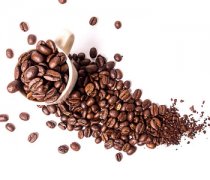
Is It Safe to Eat Expired Arabica Coffee Beans?
Eating expired Arabica coffee beans can be risky. Moldy or insect-infested beans may cause health issues—here’s what to watch for.