
Specialty Coffee Beans
Latest articles, industry insights and brewing guides

Coffee carving skills of the world's largest coffee bean producer
Finally, the host warmly invited us into the coffee shop of the manor. A black woman brewed a cup of coffee for each of us with freshly ground hot coffee beans in the traditional way, but she felt a strong fragrance and fine taste. Its taste is not comparable to that of ordinary instant coffee. After drinking it, it is still full of aftertaste. This is the most delicious coffee we have ever had. Brazilians love coffee.

Indonesia's main coffee producing area
Mandheling, produced in Sumatra mountains, is world famous and rich in texture. Sumatra and East Africa's wine-like taste contrast, Indonesia and New Guinea beans show a different flavor, with a sticky texture, acidity buried deep in the complex taste, dark and intense herbal or wild mushroom flavor, and deep throat three days around the back of the sweet

Main coffee varieties and their characteristics Characteristics of estate beans
Catimor was born in Portugal in 1959 by crossing Timor, a hybrid of Arabica and Robusta, with Cadura, a mutant of Bourbon. For high-yield commercial supplies species, growth of the best, most productive varieties. Low tree height, coffee fruit and seeds (green beans) on the large side. Derived from Catimer.
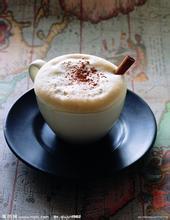
What kind of equipment should I use for Jamaican Blue Mountain Coffee beans?
Jamaican Blue Mountain Coffee belongs to the category of single bean coffee, also known as regional coffee, which refers to the special coffee produced by unique factors such as climate and altitude in some places. This kind of coffee tasting method is the most suitable for siphon pot, which can show the flavor of coffee in the most comprehensive way. The siphon pot is classic in design and easy to operate. The extraction is comprehensive. It is the most frequently used appliance for household use or individual product appreciation.

A brief introduction to Coffee beans Coffee producing areas
Types of coffee beans 1, Blue Mountain: is the treasure of coffee, its taste is sweet and smooth, not bitter but slightly sour, generally a single variety to drink, is the best variety of coffee. It is produced in the high mountains of Jamaica in the West Indies. Because the output is very small and the price is expensive, most people seldom drink the real Blue Mountain, and most of them are made of coffee with a very similar taste, even so.

The New trend of Fine Coffee beans the processing process of Coffee beans
This practice will be the trend of boutique coffee beans in the future, and consumers will gradually go into history to see a wide variety of bean watches spanning five continents when buying coffee beans. At least for the top coffee roasters, coffee beans "rare, boutique, seasonal supply" will be the trend, high-quality coffee beans are out-and-out fresh ingredients, "coffee beans arrive fresh, fresh."

Main Coffee Bean Types and Their Distinct Flavors
Explore 12 classic coffee bean types including Jamaican Blue Mountain and Ethiopian Mocha, with flavor profiles and ideal roast levels for each.
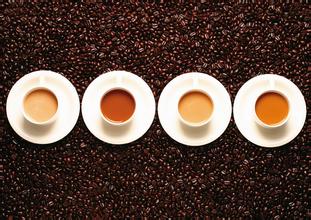
Global Coffee Bean Origins: Key Varieties Explained
Explore the major coffee-growing regions and classic bean varieties, from Yemen’s Mocha Sanani to Panama’s Geisha, with key production areas listed.

Coffee Tree Varieties and Ideal Growing Environments
Learn about the three main coffee species—Arabica, Robusta, and Liberica—and discover key growing regions and flavor profiles of global single-origin coffees.
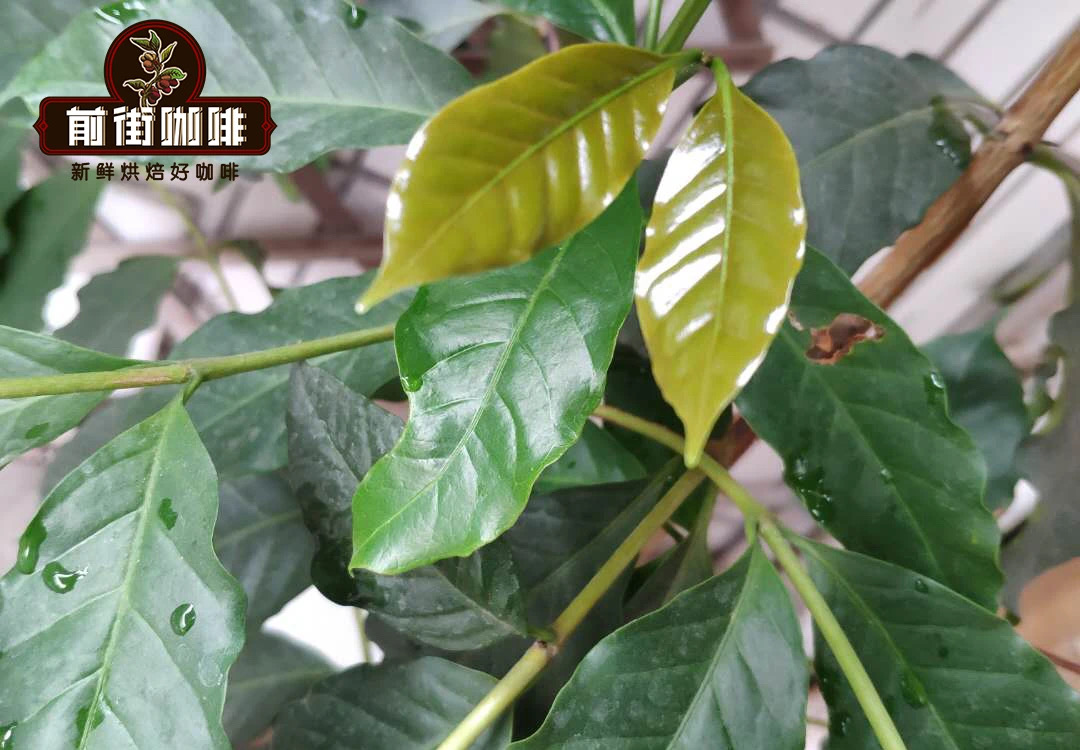
Three Major Coffee Species and Their Flavors Explained
Explore the three commercial coffee species—Arabica, Robusta, and Liberica—with profiles on origin, growing altitude, and flavor profiles.
Why Espresso Tamper Sizes Vary and How to Choose One
Espresso tampers range from 49mm to 58.5mm diameter due to machine compatibility, with 58mm being most common. Size affects puck prep and extraction.
How to Roast and Brew Kenyan Coffee for Bright Acidity
Learn the optimal roast level, grind, water temp, and three-pour method to bring out Kenya’s signature tomato-like acidity and fruity sweetness.
How Grind Size Affects Your Brew: Espresso, Pour-Over & More
Find the right coffee grind size for your brewing method—from espresso to French press—and avoid over- or under-extracted coffee.
Arabica Coffee Planting in China Explained
Over 70% of global coffee is Arabica, but how is it grown in China? Here's the full breakdown of China's Arabica production and varieties.

Washed Yirgacheffe Coffee from Ethiopia
Explore Ethiopia’s rare washed Yirgacheffe coffee: vibrant citrus, floral notes, and unique processing that define one of Africa’s most sought-after beans.
Direct Fire Roasting: First and Second Crack Phases Explained
Master the critical crack phases in drum roasting—where heat control, exhaust, and flame adjustments define your coffee’s flavor development.

The Origins and History of Coffee Cultivation
Explore the origins of coffee, from Ethiopian legends to global cultivation, and learn how coffee farming evolved across continents.

Coffee Tree Growth & Main Varietal Types Explained
Explore how coffee trees grow and the key arabica varieties like Caturra, Catuai, Pacamara, and Bourbon — with growth traits, flavors, and ideal roast levels.

Guide to Coffee Bean Varieties and Their Flavor Profiles
Explore the flavor, aroma, and roast characteristics of key global coffee origins like Yirgacheffe, Blue Mountain, and Mandheling.

The History and Types of Coffee Beans by Origin
Learn how coffee evolved from chewed fruit to brewed beverage, and discover key coffee types and where they come from.