
Specialty Coffee Beans
Latest articles, industry insights and brewing guides

How to Clean Your Home Coffee Machine Properly
Clean your home espresso machine monthly with vinegar or professional descaler. Check steam pressure and water clarity to confirm cleanliness.

How to Repair Common Drip Coffee Machine Problems
Fix your home drip coffee machine with these step-by-step guides to repairing switches, thermostats, heating elements, and insulation components.

How to Process and Brew Coffee at Home
Learn the essential tools, grind sizes, and methods for processing and brewing fresh coffee at home, plus how long roasted coffee stays flavorful.

Ethiopia's Gimbi Coffee Region: What to Know
Gimbi is Ethiopia’s largest coffee region, known for mass-produced natural-process beans. Learn about its altitude, volume, flavor range, and untapped potential.
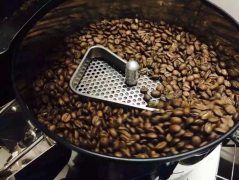
Limmu Coffee Region in Ethiopia: What Makes It Unique?
Learn why Limmu, at 1,200–1,900m, produces high-quality washed and semi-washed Ethiopian coffees with bright acidity and citrus notes.

Harar Coffee: Ethiopia’s High-Altitude Natural Specialty
Explore Ethiopia’s Harar region, where coffee grows up to 2,700m and is traditionally processed as natural, offering unique fruity complexity.
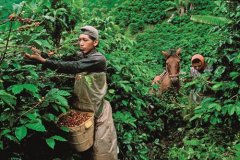
What Makes Yirgacheffe Coffee So Distinctive?
Explore the unique terroir, processing methods, and classic cup profile of Ethiopia’s famed Yirgacheffe coffee region.

Ethiopia’s Four Coffee Cultivation Systems Explained
Ethiopia grows coffee under four distinct traditional systems—forest, semi-forest, garden, and plantation—each shaping unique flavors and sustainability.

Why Ethiopian Coffee Beans Don’t Judge by Appearance
Despite their smaller size, Ethiopian coffee beans from the southwest have superior cup quality and genetic purity compared to larger beans from the northwest.
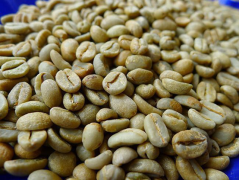
Ethiopian Coffee Bean Grades Explained
Ethiopian coffee is graded into five levels, with washed beans ranked Grade 1 and 2, and natural processed beans graded Grade 3 to 5. Learn what each means.

Exploring Yemen’s Other Coffee Origins: Beyond Mattari
Beyond Mattari, Yemen produces distinctive coffees like Ismaili, Sharqi, and Damali. Discover their unique profiles, elevations, and flavor complexities.

Yemeni Sanani and Matari Coffee Profiles
Explore the distinct flavors of Yemeni Sanani and Matari coffees, from deep chocolatey sun-dried notes to bright, wild acidity.

Why Yemeni Coffee Beans Taste So Wild and Unique
Yemen’s rugged terrain and diverse microclimates create wildly varied coffee flavors—even within the same sack. Here’s why.
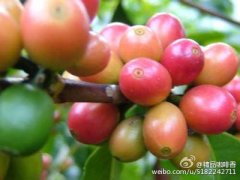
Why Yemeni Coffee Farmers Are Abandoning Coffee for Khat
Yemen’s coffee production is declining fast as farmers switch to more profitable khat. Drought, pests, and high costs make coffee farming unsustainable.

What Happened to Yemen’s Historic Coffee Trade?
Once the world’s primary coffee exporter, Yemen now produces just 0.17% of global supply. Discover how its famed 'Mocha' coffee declined.
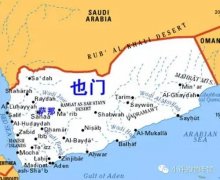
The Real Mocha: Coffee from Yemen’s Harsh Highlands
Yemen’s wild, chocolatey mocha coffee grows without chemicals in desert mountains. Here’s why it tastes so bold—and why it’s so rare.
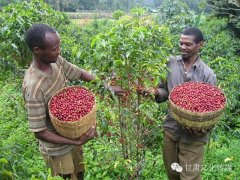
How Coffee Transformed Global Culture and Trade
Explore how coffee shaped economies, societies, and cultures worldwide—from Guatemalan farms to European cafes—through labor, history, and flavor.
What’s Your Zodiac Sign’s Perfect Coffee Match?
Discover the ideal coffee for each zodiac sign, from bold espresso-based drinks for Leo to calming herbal blends for Taurus.

How Coffee Affects Health, Sleep, and Weight Loss
Find out if coffee harms sleep, drains calcium, or aids weight loss — with science-backed timing, doses, and brewing tips.

How to Brew Coffee: 7 Methods Explained
Learn the key steps and grind sizes for 7 common coffee brewing methods, from pour-over to siphon, with exact ratios and temperatures.