
Specialty Coffee Beans
Latest articles, industry insights and brewing guides
Why White Coffee Isn’t Bitter, Burnt, or Acidic
White coffee stays mild due to low-temperature roasting that reduces bitterness, acidity, and caffeine while preserving flavor. Learn how it’s done.
What Is Coffee Cupping and Why It Matters
Learn how professional cupping evaluates coffee flavor, acidity, aroma, and quality using a standardized 3-cup method with scoring based on taste balance and defects.

What Defines Specialty Coffee?
Learn what qualifies as specialty coffee: 80+ cupping scores, traceable origin, and strict quality standards set by global programs like Cup of Excellence.
Why Coffee Grounds Are Best for Killing Fridge Odors
Coffee grounds beat baking soda and lemon: they remove fridge smells in just four days. Here are 11 cheap ways to deodorize your fridge.

How to Use Extraction Rate and Concentration to Dial In Coffee
Learn how extraction rate and TDS help adjust your coffee’s flavor. A balanced cup typically sits between 18–22% extraction and 1.15–1.35% TDS.
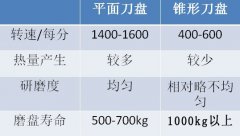
How Grinder Type and Burrs Affect Coffee Flavor
Learn how parallel and conical burr grinders impact coffee extraction, flavor clarity, and consistency in your brew.
Five Key Tips for Brewing Great Coffee at Home
Learn the five essential steps to brewing delicious coffee, from freshness and grind to water quality and brew time.
What’s Inside Coffee Beans? Water, Minerals & Carbs
From raw to roasted, we break down the exact moisture, mineral, and carbohydrate content in coffee beans — and how each affects flavor.
The Ideal Coffee-to-Water Ratio for Specialty Brews
Find the standard and enthusiast coffee-to-water ratios used in specialty brewing, with precise weights, measures, and conversions.
How to Cup Specialty Coffee Like a Pro
Learn the 10-step cupping process used by specialty coffee pros to evaluate flavor, aroma, and mouthfeel of freshly roasted beans.
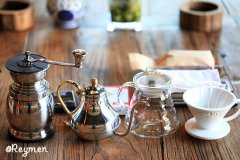
Understanding Coffee Body: What It Means and How to Taste It
Learn what coffee body really is, how it feels on your tongue, and where to find light, medium, or full-bodied coffees in different regions.
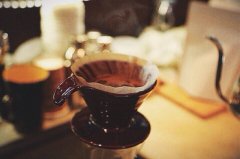
How Much Coffee for 300ml? Gold Cup Theory Simplified
Find out exactly how many grams of coffee you need for a 300ml cup using the easy Gold Cup formula—18 to 18.54g, depending on your version.
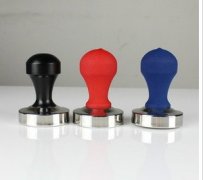
Why You Need a Coffee Tamper for Espresso
Espresso requires even extraction, and a tamper ensures uniform coffee density to prevent channeling and over- or under-extraction.

10 Key Factors to Consider When Buying Green Coffee Beans
Learn what to look for when selecting high-quality green coffee beans, from uniformity to moisture signs, to ensure great roasting and flavor.
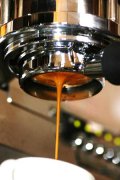
How Illy Defined Espresso Standards and What They Mean
Dr. Ernesto Illy helped shape espresso standards in the 1950s. Here’s how 9 bars, 30ml in 25s, and sensory ideals evolved into today’s benchmarks.
2011 SCAA World's Best Coffee Beans Revealed
Discover the top 10 highest-scoring single-origin green coffees of 2011, as ranked by the SCAA's Coffees of the Year competition.
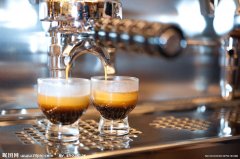
How Teams Help You Win Specialty Coffee Competitions
Competing in coffee tournaments like Taiwan’s TBC? Learn why assembling the right team—barista, roaster, coach, assistant—is key to success on a budget.
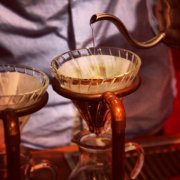
How to Define a Winning Theme for Your Barista Routine
Learn why a clear theme is essential for barista competition routines, how to avoid extremes, and how to tie coffee, people, and story together.

How to Prepare Coffee Competition Gear: A Step-by-Step Guide
Learn exactly which tools matter most in coffee competitions—especially grinders and cups—and how to organize your setup by zone.
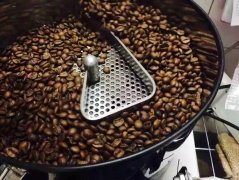
How to Structure Your TBC Competition Training Schedule
A clear 6-month TBC competition training timeline, with key prep milestones and mistakes to avoid before your barista showdown.