
Specialty Coffee Beans
Latest articles, industry insights and brewing guides

Two Coffee Bean Blending Methods Explained
Learn how to blend coffee beans by roast level or origin to balance flavors. Includes five tested roast blend ratios.
How to Read Coffee Roast Labels and Understand Levels
Learn what Italian, Vienna, French, and other roast labels really mean—and how to tell light, medium, and dark roasts apart by appearance and flavor.

Global City Roast Preferences Explained
From Tokyo’s high-roast to Vienna’s full-city, discover how city preferences shape global coffee roast styles.

How to Choose Fresh Coffee Beans Without Guesswork
Learn how to assess freshness, roast level, and quality by sight, sound, and smell when buying coffee beans.

What Makes Coffee Good or Bad? Quality Standards Explained
Good coffee starts with quality beans: no defects, freshly roasted, freshly ground, and freshly brewed. Here’s what truly defines specialty-grade coffee.

Coffee Roast Levels and Their Main Uses Explained
Learn how coffee roast levels—from light to dark—affect flavor, acidity, and body, and which roast suits your brewing style best.

How to Roast Green Coffee Beans with a Handheld Pan
Learn how to roast 100g of green coffee beans using a handheld mesh pan on a gas stove with step-by-step timing and cooling instructions.

Two Compounds Found to Cause Coffee Bitterness
Researchers identified two compounds—chlorogenic acid lactone and phenylindane—as key sources of coffee bitterness, linked to roasting, not beans.
How Coffee Roast Level Shapes Flavor
Roasting determines 80% of your coffee’s flavor. Learn how light, medium, and dark roasts develop acidity, aroma, and bitterness.
Why Some Coffee Tastes Sour – And What That Really Means
Sour coffee isn’t always bad — it often depends on roast level and brewing temperature. Here’s how to understand (and enjoy) coffee acidity.
How Coffee Beans Are Made: From Cherry to Roast
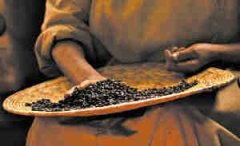
Discover the full journey of coffee beans, from Ethiopian farms to the roasting stage, with key steps including washing, drying, and roasting.

How Specialty Coffee Beans Are Processed Before Roasting
From cleaning and sorting to blending and roasting, here’s exactly how raw coffee beans become the green beans used by specialty roasters.

How to Store Coffee Beans Without Losing Freshness
Keep your coffee tasting fresh by storing beans correctly: buy small, sealed, and grind just before brewing. Here’s what really matters.

How to Check Coffee Bean Freshness in 3 Steps
Find out if your coffee beans are fresh with three simple steps: smell, inspect, and peel. Learn what signals freshness and what suggests staleness.

How to Tell If Your Coffee Beans Are Fresh
Find out if your coffee beans are fresh using three simple steps: smell, inspect visually, and test by hand-cracking. Freshness affects flavor directly.

How Storage Affects Coffee Bean Freshness
Discover how to properly store coffee beans to preserve freshness, aroma, and flavor with expert tips on container choice, CO₂ retention, and environment.

4 Types of Coffee Bean Packaging Explained
Discover the pros and cons of flexible, airtight, one-way valve, and pressurized packaging for storing roasted coffee beans.
Why Coffee Isn't Sour Just Because It's Fresh
Fresh coffee isn't automatically sour — acidity depends on roast level and brewing temp, not freshness. Darker roasts and hotter water reduce sourness.
How to Store Coffee Beans: Freezing Is the Best Method
Freezing coffee beans in an airtight container preserves freshness for up to two months. For ground coffee, freezing extends aroma retention by about a month.

How Coffee Roasting Shapes Flavor and Extraction
Learn how green coffee is roasted, ground, brewed, and shipped — and why roast level is the biggest flavor factor. Includes brewing methods and decaf processes.