
Specialty Coffee Beans
Latest articles, industry insights and brewing guides
How Coffee Roasting Unlocks Unique Aromatic Flavors
Learn how 12–16 minutes of roasting at up to 232°C transforms raw beans into aromatic coffee with balanced acidity, sweetness, and bitterness.

How Freshness Affects Roasted Coffee Quality
Learn why freshness, aroma, color, and roast level matter when buying roasted coffee beans for the best flavor.

How Roast Level Determines Coffee Flavor
Find the right roast level for your coffee—light, medium, or dark—based on flavor profile, brewing method, and personal taste.
What To Do If Your Roast Oven Gets Too Hot
If your roast oven runs too hot, coffee beans scorch on the outside while staying dense inside. Here’s how to fix it and avoid common roast mistakes.
Coffee Roast Levels: Classification and Stages Explained
Learn how coffee roast levels—from light to Italian—affect flavor, acidity, and body. Discover the 8 key stages and how to roast evenly.
How to Store Coffee Beans for Maximum Freshness
Store coffee in a cool, dry place—never the fridge. Freezing works, but only if done right. Learn the best practices for keeping beans fresh.

How Long to Roast Mandheling Coffee Beans
Mandheling coffee takes 6–7 minutes for a medium roast, starting first crack at 3–5 mins and second crack at 8 mins. Adjust based on roast level and uniformity.

Why Coffee Tastes Bitter: The Roasting Science
Two key compounds—chlorogenic acid lactone and phenylindane—are responsible for coffee’s bitterness, formed during roasting. Lighter roasts produce milder bitterness.

How to Buy and Store Coffee Beans for Freshness
Keep your coffee fresh longer: buy small amounts, store in airtight containers, and avoid heat and moisture. Here’s exactly how.

How to Identify Coffee Bean Roast Levels and Quality
Learn how to tell good coffee beans from bad, and understand the 8 standard roast levels that shape flavor and aroma.

Why Water Is the Biggest Enemy of Stored Coffee Beans
Water and oxygen break down roasted coffee quickly. Learn how to store beans properly to preserve flavor, freshness, and aroma.
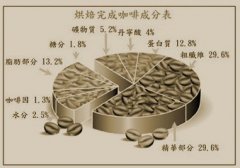
What’s in Your Coffee? The Chemistry Behind Coffee’s Key Components
Explore the main chemical components of coffee — caffeine, tannins, fats, sugars, and more — and how they affect flavor, aroma, and your body.
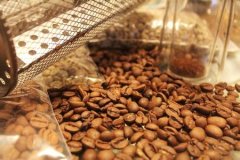
Six Steps to Become a Coffee Tasting Expert
Learn how to taste coffee like a pro with these six essential steps, from assessing dry aroma to identifying defects.
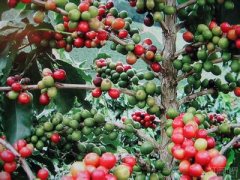
How Coffee Travels From Seed to Cup: 14 Stages Visualized
Every cup of coffee passes through 14 key stages — from seed germination to brewing. These images trace the full journey, color changes and all.

Why Do Cafés Serve Lemon Water With Coffee?
Cafés like Häagen-Dazs serve lemon water to cleanse your palate before coffee. It boosts saliva, sharpens taste, and enhances your coffee experience.

What Are the Real Benefits of Drinking Coffee Regularly?
Regular coffee intake boosts metabolism, aids weight control, and may improve skin health. It also enhances focus and prevents gallstones.

Which Coffee Matches Your Ideal Partner's Personality?
Discover which coffee style reveals your dream partner's traits—from bold espresso lovers to sweet, cautious mocha fans.
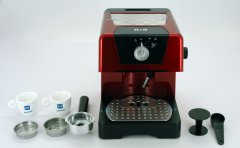
How to Make Espresso: Start Here If You’re Learning Coffee
Learn how to pull a high-quality espresso shot at home, including the tools, grind, dose, and technique needed for 30ml in 22–28 seconds.
How Fancy Coffee Differs from Plain Specialty Coffee
Fancy coffee isn't pure coffee—it includes added flavors and mixers for new taste experiences. Here's how it compares to standard specialty coffee.

How to Properly Taste a Cup of Coffee
Learn the right way to smell, sip, and season your coffee. Discover how posture, pacing, and etiquette enhance your tasting experience.