
Specialty Coffee Beans
Latest articles, industry insights and brewing guides

What’s Really Inside Coffee Beans? Fat, Sugar & More
Coffee beans contain fat, sugar, caffeine, and other compounds that shape flavor and aroma—here’s exactly what’s in your cup.
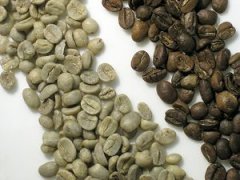
Why Colombian Coffee Is Named After Its Country
Colombia is the world’s second-largest coffee producer and the only major exporter to brand its beans by nationality. Here’s why.

What Makes Coffee Aroma? Volatile Compounds Explained
Over 660 volatile compounds form coffee’s aroma, mostly created during roasting from non-volatile compounds in green beans.

The Mysterious 'Bula' Coffee of Tibet’s Mild Highland
Discover Tibet’s rare Bula coffee, likened to Kenya AA, grown in a highland microclimate and mainly gifted to foreign dignitaries.

What Is Chicory Coffee? A Coffee Substitute Explained
Chicory root is roasted and used as a caffeine-free coffee substitute. Historically mixed with coffee to stretch supplies, it adds bold roasted flavors.

What Is Wet-Processed Coffee? Coffee Processing Basics
Wet-processed coffee, also called washed coffee, is made by removing the fruit while the beans are still moist. Most high-end coffees use this method to boost clarity and acidity.

What Is Bourbon Coffee? The Origins & Facts
Bourbon coffee originated on Réunion Island (formerly Bourbon) and thrives at 1,000–2,000m. It’s a key parent of many top Latin American coffees.

What Is Shade-Grown Coffee and Why It Matters
Shade-grown coffee, also called bird-friendly coffee, grows under tree canopies. It supports wildlife and often delivers richer flavors than sun-grown beans.

What Is Monsoon Coffee and How Is It Made?
Monsoon coffee is Indian coffee aged in open warehouses during the rainy season, reducing acidity and boosting body. The full process takes 12–16 months.

What Is Caffeine? Coffee Basics Explained
Learn what caffeine is, where it comes from, how much is in your coffee or tea, and how your body typically consumes it daily.
What Makes Hawaiian Kona Fancy Coffee Special?
Learn why Hawaiian Kona Fancy coffee is rare, costly, and uniquely flavorful—grown only on Hawaii’s volcanic slopes with a balanced sweet and wine-like profile.
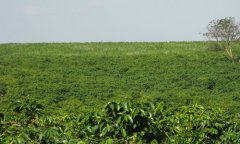
Why Kenyan Coffee Has Such Distinct Fruit Flavors
Kenyan coffee is known for its vibrant fruit flavors like blackberry and grapefruit. Here’s why these notes stand out and how the country produces them.
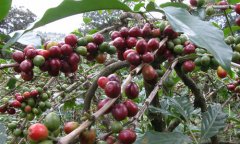
Brazil Coffee: The World’s Largest Producer of Arabica Beans
Brazil grows more coffee than any other country, almost all of it Arabica. Discover why it’s called the 'Coffee Kingdom' and what makes its beans unique.

The Best Indonesian Coffee Beans: Mandheling from Sumatra
Discover why Sumatra’s Mandheling is among Asia’s most iconic coffees, with deep body, spice notes, and unique wet-hulled processing.
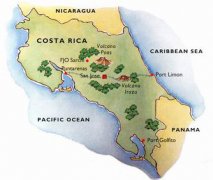
Costa Rica’s Coffee Regions and What Makes Them Special
Explore Costa Rica’s key coffee regions like Tarrazú, known for high-altitude beans with bright acidity and floral aromas.
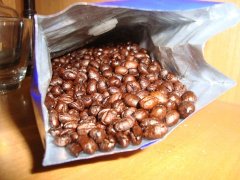
What Is Peaberry Coffee? The Yunnan Coffee Bean Guide
Learn what peaberry coffee is, why it’s rare, and how Yunnan’s single-rounded beans develop unique flavor profiles in this illustrated guide.

Six Famous Ethiopian Coffee Bean Origins Explained
Explore six renowned Ethiopian coffee regions, from Yirgacheffe's citrus brightness to Harar's exotic spice, with yield data and processing types.
How Coffee Names & Brands Are Defined by Country Standards
Learn how coffee names like 'Ethiopia Harrar' or 'Brazil Santos' are structured under each country’s unique grading and branding rules.

How Coffee Beans Are Graded by Size, Altitude, and Process
Learn how coffee beans are classified by washing method, bean shape, size, altitude, and defect count—key specs that affect quality and flavor.

How Coffee Origin Impacts Flavor and Quality
Coffee quality varies significantly by origin—just like wine. Discover how terroir, processing, and region shape your cup’s profile.