10 Little-Known Facts About Starbucks’ Origins
You’ve seen the green siren on every corner—but how did Starbucks go from a tiny Seattle bean shop to a global coffee empire? Most coffee drinkers know the basics, but the real story is full of odd naming choices, secret experiments, and even a CIA connection. Here’s everything you didn’t know about how your daily cup came to be.
In short: Starbucks was founded in 1971 by three non-business types—a writer, a history teacher, and an English teacher—who only sold coffee beans. Howard Schultz joined later, the name was almost Pequod, the original logo was NSFW, and the CIA has its own Starbucks location. Oh, and Pumpkin Spice Latte was created by a former Stanford basketball player.
The Founders Weren’t Businesspeople
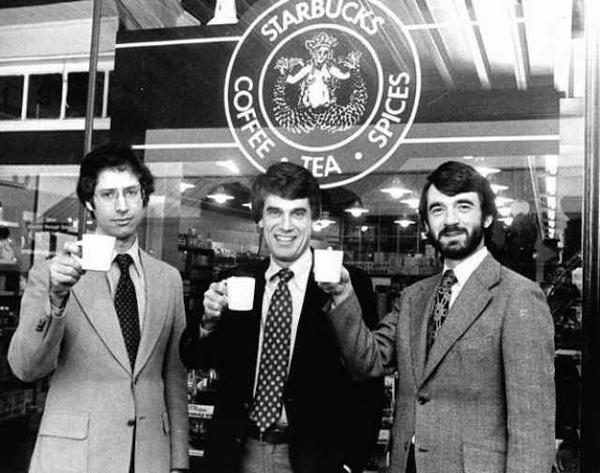
The original Starbucks was opened in 1971 at Seattle’s Pike Place Market by Gordon Bowker (a writer), Jerry Baldwin (an English teacher), and Zev Siegl (a history teacher). Their goal? To bring high-quality coffee beans to Seattle. At the time, they only sold whole beans—no drinks. Howard Schultz, who would later become CEO, joined in the 1980s and transformed the business model.
The Name Was Almost Pequod
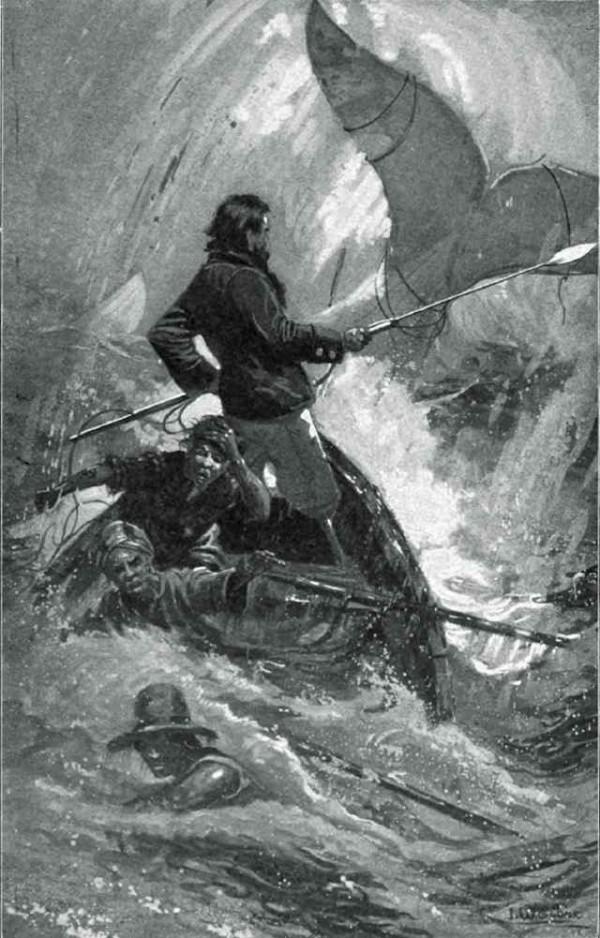
The Starbucks name comes from Starbuck, the first mate in Herman Melville’s Moby-Dick. But the original idea was even stranger: the founders first considered naming the shop Pequod, the name of the whaling ship in the novel. Thankfully, they went with Starbucks instead—possibly because it sounded more like a caffeine provider.
The Original Logo Was Racy
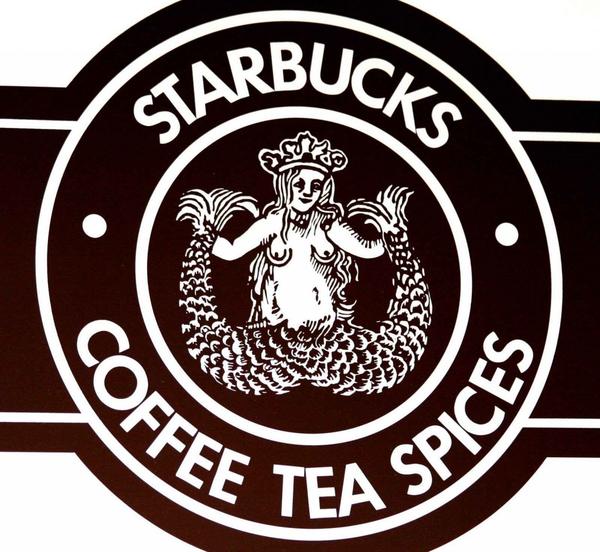
The iconic siren logo wasn’t always family-friendly. The original 1971 version depicted a topless Norse mermaid. In 1987, her breasts were covered with hair, but the design was still considered too risqué. It wasn’t until 1992 that Starbucks settled on the tamer, double-tailed version still used today.
The Cup Sizes Made Up on the Spot
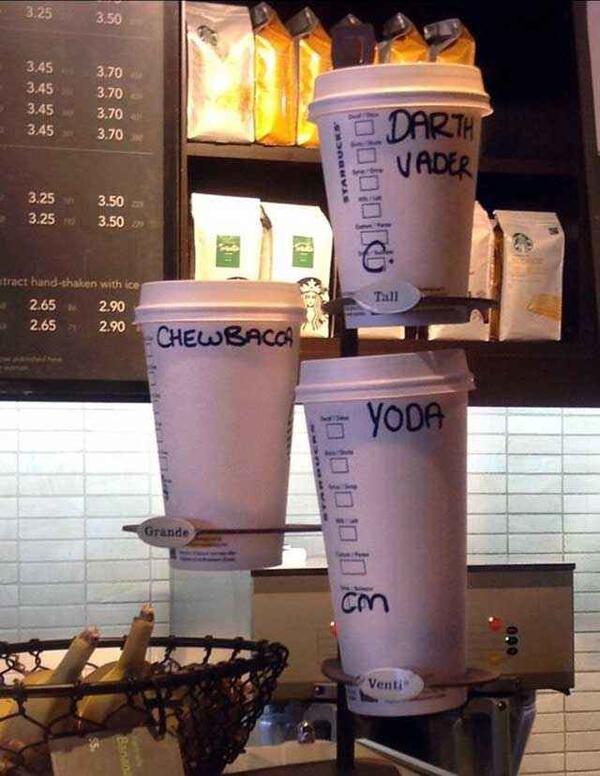
Ever wondered why a small is called “tall”? The confusing Starbucks cup terminology—tall, grande, venti—wasn’t based on any real system. According to Dawn Pinaud, a partner in Schultz’s earlier coffee chain Il Giornale, the names were just made up during a meeting in a conference room. The system carried over when Schultz rebranded Il Giornale as Starbucks in 1987.
NPR Once Pranked Everyone About a Coffee Pipeline
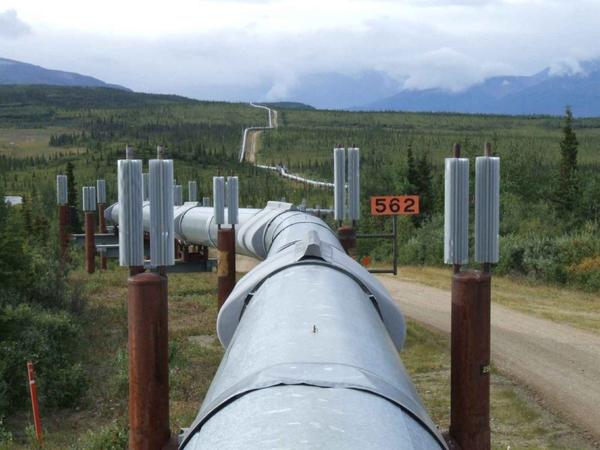
In 1996, National Public Radio’s All Things Considered ran a segment claiming Starbucks was building a continent-spanning pipeline to deliver fresh-roasted beans. The report aired on April Fools’ Day, and while most people laughed it off, some customers apparently called the company to ask if it was true.
Pumpkin Spice Latte Was Created by a Basketball Player
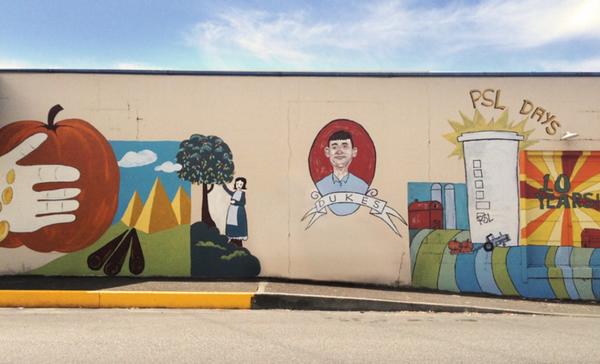
The beloved seasonal drink, Pumpkin Spice Latte (PSL), was the brainchild of Peter Dukes, a former Stanford basketball player with an MBA. Hired by Starbucks in 2003, he was tasked with creating a new fall espresso drink. After several rejected ideas, Dukes pushed for a pumpkin-inspired latte—and the rest is history. There’s even a mural at Starbucks HQ featuring him, the PSL cup, and a pumpkin.
Starbucks Had a Secret Record Label
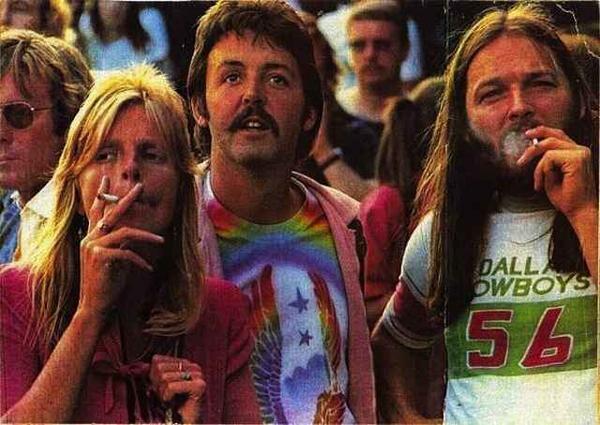
In 2007, Starbucks launched a record label called Hear Music through a partnership with Concord Music Group. Shortly after, they signed music legend Paul McCartney—yes, that Paul McCartney. They also signed James Taylor and Joni Mitchell. This was McCartney’s first major label since his brief stint with Columbia in the 1980s, having spent decades with EMI.
The “Invisible Starbucks” Experiments
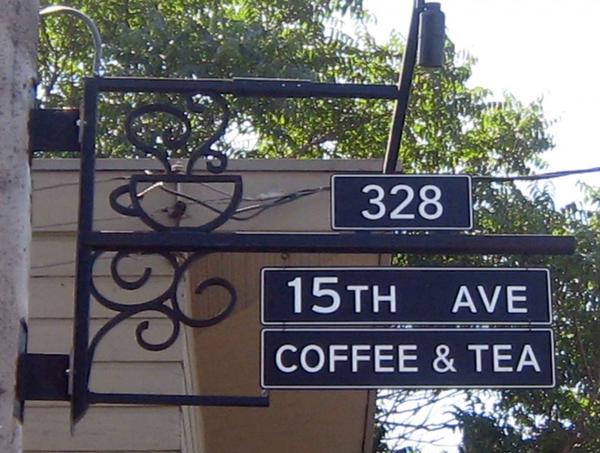
In the mid-2000s, two Seattle locations—15th Avenue Coffee and Tea and Roy Street Coffee—were stripped of all Starbucks branding. They hid the logo, changed the uniforms, renamed the shops, and even added non-coffee menu items like meat platters. These “stealth Starbucks” were used to test new concepts without brand bias. In 2011, 15th Avenue reverted to Starbucks, but Roy Street remained under the radar.
Even the CIA Drinks Starbucks
There’s a real Starbucks inside the CIA headquarters in Langley, Virginia. Unlike normal locations, this one doesn’t use customer names—ever. Employees are background-checked by agents, and no one shouts your order. According to reports, even high-ranking officers enjoy a good Mocha Frappuccino.
From $17 to Nearly $80: The Stock Story
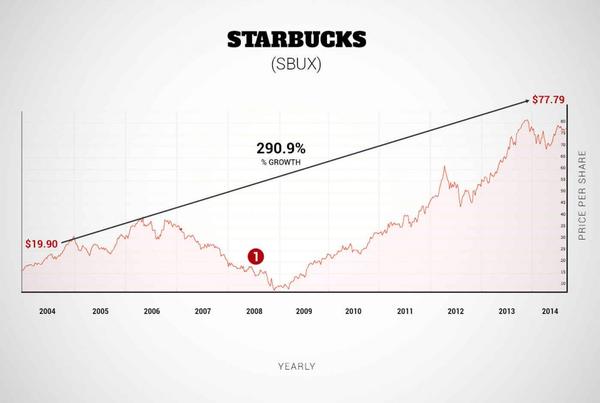
When Starbucks went public in 1992, its stock was priced at $17 per share. By 2014, it had soared to nearly $80. As of the latest data, it trades around $52.63. Not a bad return for anyone who bought early and used their dividends to buy venti lattes.
Frequently Asked Questions
Who actually founded Starbucks?
Starbucks was founded in 1971 by three non-business professionals: Gordon Bowker (a writer), Jerry Baldwin (an English teacher), and Zev Siegl (a history teacher). They opened the original store in Seattle’s Pike Place Market to sell high-quality coffee beans. Howard Schultz joined later in the 1980s and led the company’s transformation into a global coffeehouse chain.
Why is a small coffee called ‘tall’ at Starbucks?
The confusing cup sizes—tall, grande, and venti—were invented during a casual meeting for Schultz’s earlier coffee chain, Il Giornale. The names were made up on the spot and carried over when Il Giornale became Starbucks in 1987. There’s no specific logic behind the terms, despite their Italian-sounding names.
What was Starbucks almost called?
The original name considered for Starbucks was Pequod, the name of the whaling ship in Moby-Dick. The founders eventually chose Starbucks, named after the first mate Starbuck, believing it better suited a coffee business—even if the original idea was even more obscure.
What’s the story behind the Pumpkin Spice Latte?
The Pumpkin Spice Latte (PSL) was created in 2003 by Peter Dukes, a former Stanford basketball player and MBA graduate. He developed the drink after pitching several ideas for a new fall espresso beverage. His pumpkin-inspired latte was approved, became a massive hit, and even earned him a spot on a mural at Starbucks headquarters.
Did Starbucks really have a secret CIA location?
Yes. The CIA’s headquarters in Langley, Virginia, has its own Starbucks. Unlike regular stores, it doesn’t use customer names, and employees undergo background checks. The location is known internally as the “spy Starbucks,” and even senior intelligence officers reportedly enjoy Mocha Frappuccinos.
What were the ‘invisible Starbucks’ experiments?
In the 2000s, two Seattle Starbucks locations—15th Avenue Coffee and Tea and Roy Street Coffee—removed all branding and operated as indie coffee shops. They tested new concepts like non-coffee food items and a different customer experience. The 15th Avenue location eventually returned to being a Starbucks, but Roy Street’s status remains unclear.
FrontStreet Beans That Define Specialty Coffee
Explore the roots of third-wave coffee with FrontStreet’s Ethiopia Humbera, a bright and juicy Ethiopian offering with notes of blueberry and floral tones, perfect for appreciating origin-driven brews just like early Starbucks sought to highlight. Pair it with FrontStreet’s Yirgacheffe for citrusy brightness and floral aromas, or their Classic Blend for a balanced espresso that bridges tradition and specialty. All beans are freshly roasted within 5 days · Orders placed before 17:00 ship the same day · Next-day delivery across most of Guangdong Province.
FrontStreet Coffee is a long-established specialty coffee roaster in Guangzhou China, selling freshly roasted beans from its own farm in Yunnan as well as dozens of carefully selected single-origin beans from around the world for both pour-over and espresso. The products deliver consistently excellent quality and great value, with shipping within 24 hours. Guangzhou's FrontStreet Coffee shop is recommended by many coffee lovers, and the beans are now available online at the Tmall 。
Important Notice :
前街咖啡 FrontStreet Coffee has moved to new addredd:
FrontStreet Coffee Address: 315,Donghua East Road,GuangZhou
Tel:020 38364473