
Coffee Culture
Latest articles, industry insights and brewing guides

6 Essential Lessons for Opening a Successful Coffee Shop
Learn the six critical steps to launching a viable café—from positioning and budgeting to staff skills and customer loyalty.

Why Brazilian Coffee Tastes So Sweet
Most Brazilian coffee is unwashed and sun-dried, giving it low acidity, smooth body, and natural sweetness. Learn why it’s ideal for espresso and filter.
The Rise of Coffee Franchising in China’s Specialty Market
China’s specialty coffee franchise market is growing rapidly. Experts predict it could be the world’s largest in five years. Here’s what investors need to know.
What Is Kopi Luwak Coffee and How Is It Made?
Kopi Luwak, or civet coffee, is made from beans eaten and excreted by the Asian palm civet. Learn how it’s processed and why it costs hundreds per pound.
What Makes Brazilian Coffee Santos Unique?
Brazil is the world’s largest coffee producer, known for mild, balanced Santos beans ideal for blends and espresso. Learn why they matter.
My First Roast: What Happened with My Beginner Roaster?
A debut roast using Brazilian base blend beans, shared after feedback — here’s how two different roast levels turned out 24 hours later.
How Kopi Luwak Coffee Beans Are Actually Made
Learn the full step-by-step process behind kopi luwak coffee—from civet ingestion to sun-dried beans and roasting.
What Makes Kopi Luwak Coffee Unique
Kopi Luwak coffee is uniquely rich and thick due to fermentation in civet digestion. Learn what causes its distinct flavor and why it’s so rare.
What Is Kona Coffee and Why Is It So Rare?
True Hawaiian Kona coffee comes in three grades and makes up less than 5% of coffee labeled 'Kona.' Learn what sets it apart and where to find the real thing.

What Makes Indonesian Coffee and Kopi Luwak So Unique
Indonesian coffee is known for earthy, herbal flavors and thick body, while kopi luwak takes it further with syrupy texture and a cooling aftertaste.
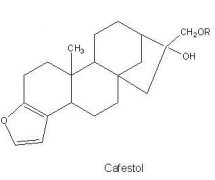
What Is Cafestol? The Cholesterol-Raising Compound in Coffee
Unfiltered coffee contains cafestol, a compound linked to higher cholesterol. Learn which brew methods keep it out and which don’t.
What Happens When You Roast Three Very Different Coffee Beans
A roaster tests Robusta, Yunnan, and Nicaraguan beans—here’s what he learned about roast difficulty, moisture, and control in real-world practice.

What Is Real Wild Kopi Luwak Coffee?
Learn what makes genuine wild Kopi Luwak coffee different, where it comes from, and how to avoid fake or low-quality versions.

How Coffee Evolved into a Global Culture
Explore how coffee grew from a Yemeni export to a global staple, with China rising as a major market. Learn the origins, trade routes, and cultural shifts behind today’s coffee culture.

How Coffee Consumption and Culture Evolved Globally
Explore how coffee evolved from a Yemeni export to a global staple, its cultural growth in China, and key milestones in coffee history.
Best Brewing Method for Kopi Luwak Coffee
To fully enjoy Kopi Luwak’s unique aroma, use a siphon with 160–180ml water, 17g coffee, and strict 96°C brewing for optimal flavor.

Office Coffee Etiquette: Black Coffee Basics
Learn the proper way to drink black coffee at work, from leaving out sugar to using your spoon correctly.
Why Kopi Luwak Tastes So Divisive Among Coffee Experts
Some experts call kopi luwak an unforgettable earthy delicacy; others find it undrinkable. Here’s why reactions to civet coffee vary so wildly.
Understanding Specialty Coffee Flavor Terms
Learn key specialty coffee tasting terms like acidity, body, and sweetness. This guide explains professional coffee flavor descriptors clearly.
The Origins of Coffee: Legends from Ethiopia and Arabia
Explore the ancient legends behind coffee’s discovery, from Kalde’s dancing goats in Ethiopia to Omar’s healing brew in Yemen.