
Coffee Knowledge
Latest articles, industry insights and brewing guides

Coffee
Coffee

Mwakiro Muyinga Muyinga coffee producing area introduces how about Muyinga coffee beans
The Muyinga coffee producing area borders Tanzania in northeastern Burundi near the top of the Congo Ridge of the Nile River. The climate here is mild, volcanic soil, annual precipitation of 1300 mm, an average of 1800 meters above sea level, creating ideal conditions for coffee growth. Here, farmers grow their own food and grow crops to supplement their income, and coffee is one of them. The coffee in this area is small in size.

Introduction of Ngozi coffee producing area Ngozi coffee flavor
Ngozi is located in the north-east of Burundi, where 25 per cent of the country's wet treatment plants are in this area, similar to the elevation of the Kayanza region. Coffee growing areas are mostly concentrated here, mostly planted by small farmers, and then sent to large washing plants. Although it produces less coffee than Kayanza, it also shows the potential for quality. In 2015, the winner of the Cup of Excellence

Introduction of Cayanza Coffee in Burundi Cafe Coffee Flavor characteristics Cayanza Coffee planting advantage
In Burundi, to the north near the border with Rwanda, is the Kayanza region. Burundi does not have a clear growth area like many large countries. Instead, you can find local strains of heirloom bourbon all over the hills, no matter how coordinated the soil, altitude and climate factors are. Kayanza has 21 washers.

Cultivation conditions of Burundian Coffee Flavor Burundian Coffee five major coffee producing areas in Burundi
Burundian Coffee introduces that Burundi is located between the Indian Ocean and the Atlantic Ocean and is called the heart of Africa. This is a country of green, blue and rich earth colors: Sky, water, land, trees. The three social groups Hutu, Tutsi and Tawa share a language (Kirundy) and a way of life. Agriculture and animal husbandry are their pillars, although tribes have occurred in the past

Status of VALDESIA Coffee producing area in Dominica Flavor characteristics of VALDESIA Coffee
The VALDESIA coffee producing area is the most well-known producing area in the Dominican Republic and has also been given the status of legal producing area (Denomination of Origin) in order to protect the export value of agricultural products in this area. Because the geographical boundaries are clearly protected, they have a good reputation, and coffee beans from VALDESIA producing areas are highly rated. ■ aroma: chocolate

How about coffee in Dominica? the flavor, characteristics and aroma of coffee in Dominica
The NEYBA producing area, also known as Neiba, named after the local capital, is located in the southwest of the island. The area is flat, mainly planted with grapes, plantains and sugar, while coffee is mainly grown in the high-lying Sierra Del Neyba mountains. ■ aroma: slightly citrus and lemongrass ■ taste: moderate ■ acidity: sweet and soft ■ flavor: citrus flavor ■ balanced: micro

How is the aroma and flavor of coffee in the central mountains of Dominica? an introduction to the Central Mountains.
The Central Mountains (CORDILLERA CENTRAL) is the highest mountain range in Dominica, also known as the Dominica Alps. The topography of this area is very different from that of its surroundings, and it is the only area where coffee grows on a granite basement rather than calcareous soil. Bouquet: red berry fruit aromas, such as raspberry, raspberry and strawberry palate: moderate acidity: strong and bright flavor: raspberry,

Introduction of Dominica Siwao Coffee Taste and Siwao Coffee producing area
Cibao, located in Siwao in the Central Mountains of Dominica, is mostly cultivated by Kaddura species and is home to all kinds of large-scale farms. To trace the origin of Tibica, we should first talk about the coffee trees originally planted in Martinique. Siwao has many large-scale farms, with coffee, rice and cocoa juxtaposed as important crops in the area. ■ aroma: slightly cocoa ■ taste

The background of Baraona Coffee producing area introduces the flavor characteristics of Balaona coffee
The Barahona region near the Caribbean Sea, where there are many small-scale farmers, is the main area of the Central Tibica species. Baraona is located in the southwest of the island, and most of the coffee from this area is near the Barahona Mountains. Compared with other countries, the quality of the coffee in this area has established a reputation. Agriculture is the main industry, while coffee is the main crop. BA

Background of coffee development in Dominica introduces the processing and flavor of coffee in Dominica
Coffee from the Dominican Republic (Dominican Republic) appeared in 1822-1844, and the earliest coffee garden was probably located in the BahorucoPanzo hills near Neyba. There are several coffee producing areas in the Valdesia region of Dominica and by 1880 it had become a major coffee manufacturing center in the country. In 1956, Dominica began to export coffee from specific producing areas, mainly Bani and Ocoa.
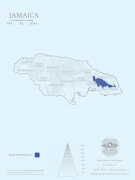
How about Jamaica coffee? Introduction and Grading System of Jamaica Coffee
Governor Sir Nicholas Rouse in 1728 received coffee plants from the governor of Martinique and immediately planted them in the St Andrews area. Production was limited in the first half of the century, but as coffee cultivation expanded from St Andrews to the Blue Mountains, it flourished in 686 plantations. By 1814, Jamaica's peak annual production exceeded 16,5

The Development background of Hawaiian Coffee introduces the grading system of Hawaiian Coffee
Hawaiian coffee in 1813, the first plants were brought to Oahu, although sugar as an agricultural product of farmers far exceeded coffee. In the late 1820s, the bourbon variety of coffee was brought to the Big Island, and the first coffee-focused estates were established over the next decade. However, the development of the coffee industry here is not smooth. For example, in 1858, due to wilting

Introduction to the producing area of Chinbu Coffee in Papua New Guinea the characteristics and flavor of Chinbu coffee
Chinbu province (Chimbu) is the third largest coffee producing area in the country, but its production is relatively lower than that of the other two highland producing areas. The name of the district comes from the local dialect, and the word Sipuuuu means thank you. Most of the local coffee comes from the coffee courtyard around small farmers, and 90% of the population in the area is engaged in the coffee-related industry, which for many people is their only cash crop. Qinbu grows Coffee

How do you make iced coffee all over the world? What's the difference between Thai iced coffee and Vietnamese iced coffee?
In recent years, cold coffee is very popular in many places, but cold coffee is not the only occasion for hot talent to drink. Let's see how cold coffee is drunk all over the world. More colorful American and European cold extracts in the United States and most European countries, they will make many kinds of beverages based on cold extracted coffee. On the contrary, they are less likely to drink cold extracted coffee directly.

How to store coffee beans and extend their shelf life? How long will the coffee beans last?
Bean bakers will carefully observe the characteristics of raw beans, through cup tests to ensure the quality of the sample, and then can find out the best way to roast the beans, and try many ways to find out how to lead to the best flavor of this coffee. But what if you make so much effort, but the quality of the coffee is damaged because of the poor storage system of the roasted coffee? Or you can't bake it as quickly as you expect.

Can farmers sell whole coffee berries instead of beans? Is that better?
It is generally assumed that smallholders need to cooperate to collect, process, and trade directly harvested fruit in order to be competitive and profitable in the coffee industry. Smallholder farmers will never escape the cycle of brokered exploitation leading to poverty as long as they are not linked to certified cooperatives, testing laboratories, processing plants and import-export units. This view may be basically correct
What physical changes occur when coffee is roasted? What are the changes in the sodium metanide reaction and caramelization?
Roasting converts coffee beans from green to ripe, rich in aroma and flavor, but do you know what happens during roasting? When we roast beans, it is mainly divided into physical and chemical changes. This article is the first of two series. Let's first take a look at what happens to coffee beans during roasting. The importance of physical structure The layered structure of coffee beans for roasting out what we want
What is cowboy coffee? How can cowboy coffee taste good? Cowboy Coffee recipe sharing
Cowboy coffee is to cook coffee powder and water directly in a pot. In the early days, this was a relatively shoddy method of coffee brewing, probably because soldiers directly heated empty cans on a campfire, and the coffee charred was so bitter that it had to be sweetened or spiced to cover up its thick negative taste. However, if you can master the characteristics of this method of cooking, you can actually make good coffee.

Does brewing coffee in the mountains affect the flavor of coffee? Are there any parameters that should be paid attention to in making coffee at high altitude?
Coffee brewers know that there are many brewing factors that affect the flavor of coffee: grinding thickness, brewing time, disturbance, water quality, water temperature, and altitude at which time it is brewed. That's right, the altitude when cooking. In fact, most people don't have to worry too much about altitude, but if you are in the producing area on the mountain, you will find that you may have to adjust the cooking parameters, why? Because