
Coffee Knowledge
Latest articles, industry insights and brewing guides

What are the flavors and differences of the coffee producing areas of Obalaka, Gongma Agua and Paraso in Honduras?
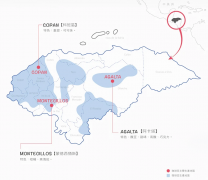
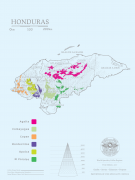
Obalaka Coffee introduction Opalaca (Montana Dorada) covers the coffee producing areas in the south of Santa Barbara province as well as Intibuca and Lempira. The name of the producing area comes from the Opalaca Mountains that span this area. Here has the unique climatic conditions, can cultivate the perfect balance of gourmet coffee. There are five protected areas in this vast area.

An introduction to the Honduran acata coffee region The flavor characteristics of acata coffee
Agalta Tropical is located in the eastern part of Honduras and is the most widely distributed area. It consists of 14 protected areas. Ecotourism is a very important economic activity for local development, and tourists can walk in the tropical forest. There are also many protected areas in the region, which also create a variety of flowers and diverse forest forms. There are many wild animals passing through the area.
An introduction to the Coffee producing area of Coffee in Monde, Honduras the characteristics of Coffee in Montesius
Montecillos, which includes the provinces of La Paz, Comayagua, Santa Barbara and Intibuca, is the stretch of the Montecillos Mountains. The most important of these is Marcala, which is now a protected name, and La Paz,Marcala is a municipality directly under the central government of La Paz. Coffee roasters usually use these scope as more clearly defined names.
The flavor characteristics of coffee in Koban area of Honduras are introduced in detail.
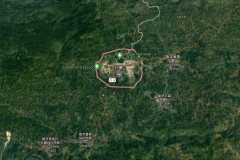
Copan is located in western Honduras, between the Copan, Ocotepeque and Lempira regions, and its name comes from the city of Copan. The proximity to Guatemala once again highlights the importance of knowing the true source of coffee. Growing coffee is the most important social and economic activity in the region. It produces the highest quality coffee in Honduras and enjoys the honor of being the top product in international competitions. In this area
Introduction and grading system of Honduran coffee what are the seven major coffee producing areas in Honduras?
Introduction to Honduran Coffee for mild Central American coffee, Honduras has a distinct style and strong tonality. Although the coffee industry has developed relatively late, it has a strong momentum, not only with large output and high sweetness, but also with fruity aroma and low acidity. Also nurtured a number of loyal. The mountain topography of Honduras is conducive to the cultivation of very diverse and good quality coffee.
Coffee producing area of New Segovia, Nicaragua introduces coffee flavor of three major provinces of New Segovia
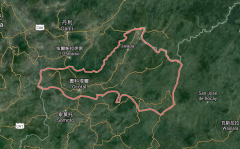
New Segovia producing areas New Segovia (Nueva Segovia) is the general name of coffee producing areas in the three major provinces of Madriz, Esteli and Nueva Segovia in the north of Nepal. Coffee farmers in Nepal are used to sending coffee beans produced in Manz and Estel areas to Nueva Segovia coffee processing plants for processing and export in the name of Las Segovias producing areas. This area
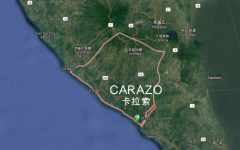
Nicaragua Pacifico Coffee producing area introduces Pacifico Coffee Flavor
Pacifico Coffee producing areas introduce that Nicaragua has a number of smaller growing areas, including Madriz, Managua, Boaca and Carazo (Carazo), which actually produce some excellent coffee. Pacifico coffee is mainly produced in several provinces on the Pacific coast of Nepal, such as Carazo, Granada, Masaya, and the fiery mountain belt of other provinces. Due to
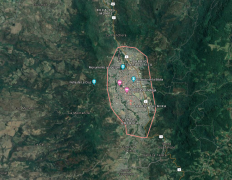
Characteristics of Sinotega coffee producing area in Nicaragua
Sinotega (Jinotega) is located in the north-central part of the country. Except for the two autonomous regions in the north and south of the Atlantic Ocean, Jinotega has the largest land area in Nepal. This area is surrounded by high mountains, many rivers flow through, the volcanic soil is fertile, and perennial fog shrouds to form a cloud forest, creating a rich and diverse ecological environment. This producing area has the largest coffee production in Nepal.
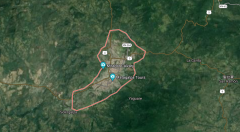
Matagalpa Coffee producing area in Nicaragua introduces the flavor characteristics of Matagalpa coffee
Matagalpa (Matagalpa), the province of Matagalpa, is the second largest province in northern Nepal, with a cool climate and diverse ecology, creating natural conditions suitable for growing coffee, and because it is less influenced by Spanish colonization, it still preserves the indigenous way of life and many archaeological relics and rock paintings. This area is a boutique coffee bean producing area in Nepal. Altitude
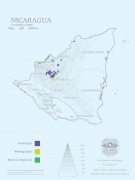
An introduction to the History of Nicaraguan Coffee
Nicaraguan coffee history introduces that Nicaragua began to grow coffee in the late 1800s, but it was not until the mid-19th century that it became an important export product. The increase in global demand for coffee (especially from North America) and the decline in supply in the Pacific islands have led to the steady development of the coffee market here. Around this time, the first batch appeared in the Managua region.

Costa Rica Three Rivers, Orossi, Blanca, Durialba coffee production characteristics of the difference
Tres Rios is located between 1200 and 1655 meters above sea level, also known as Bordeaux region of Costa Rica (Bordeaux region of France is famous for its red wine production). It is rich in soil bred by local volcanoes (Irazu volcano). It has a clear dry and wet season and can produce mild, sweet and refreshing coffee beans. Years in coffee
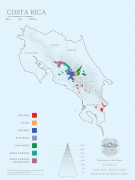
What are the three best producing areas in Costa Rica? What is the difference between the three major producing areas?
The western valley (West Valley) is one of the seven producing areas in Costa rica. It ranks with Tarazu and the central valley as the three best producing areas, with an elevation of about 700-1600 meters. The annual coffee season is from October to February. The poor high temperature, coupled with fertile soil, is very suitable for coffee cultivation. The scenery of the western valley is very beautiful, and the area is divided into six sub-areas around

Teach yourself how to start baking beans. Is the quality of each batch of coffee beans in the same producing area the same?
Many people report that it is difficult to buy cheap practice beans, and it is no wonder that cheap beans are mostly classified as commercial beans. At present, [so-called boutique coffee] is popular, and under vigorous promotion, [so-called commercial beans] are naturally reviled. It seems that the use of [so-called commercial beans] is not very honorable. However, judging from the output quality of the so-called boutique coffee baking industry at present, it seems that it is not so.

How does the moisture content of raw coffee beans affect coffee roasting? What are the ways of roasting coffee beans?
In every stage of the coffee industry chain, the moisture content of raw beans must be reduced to avoid defects and defects caused by moldy raw beans. Proper preservation can even improve the value of raw beans. Ensuring proper drying of beans is important to optimize their quality potential and to minimize the possibility of problems. The role closest to the end of the supply chain, the bean baker, has two tasks to control the moisture content.
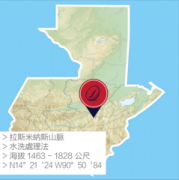
Introduction to the characteristics of Biya Manor Coffee beans in the Coffee production area of the La Minas Mine Mountains in Guatemala
The Las Minas Treasure range, the Las Minas Mountains Sierra de las Minas, located in eastern Guatemala, is famous in Central America for its rich gold and jade veins. In recent years, local farmers above 1400 meters above sea level have begun to try to grow coffee and other crops, which are rich in gold deposits and jade veins in addition to natural forest ecosystems and wildlife.
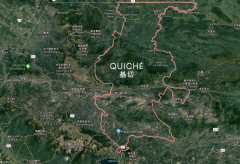
Detailed characteristics such as geography and climate of coffee producing areas in Chiche province, Guatemala
The province of Quiche in central and western Guatemala is located in the middle of the two traditional producing areas (Vivette Nango and Koban rainforest). Farmers skillfully make use of the local advantages of the two major producing areas, and the coffee here is bred from pollution-free mountains and pure water sources. The flavor is often full of peach and plum fruit tonality and sugar-like sweetness. In the ancient mountains of Kitchen province, it lies deep.
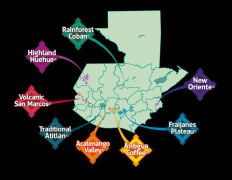
A brief history of Guatemalan coffee grading system and flavor characteristics of Guatemalan coffee
A brief history of Guatemalan coffee "Republic of Guatemala", commonly known as Guatemala, also means "place with many trees". It is located in Central America, with the Pacific Ocean to the west, the Atlantic Ocean to the east, Mexico to the north, and Honduras and El Salvador to the southeast. Located in Central America, Guatemala is the sixth largest coffee producer in the world, and coffee has always been driving Guatemala horses.
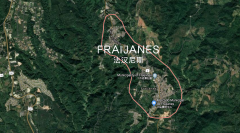
Geographical and climatic characteristics of Fahannis coffee producing area in Guatemala the tonality of French Hannis coffee
The Fahannis region is characterized by volcanic pumice soil, high elevations, heavy rainfall, changes in humidity and active volcanoes. The volcanoes around the Fahannis area are quite high above sea level, so that the Farrakhan Plain is still an active volcanic area, and the soil is rich in pumice, so the geographical environment of this producing area is similar to that of Antigua. However, the differences
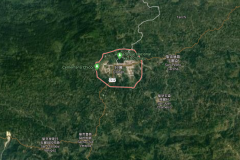
A detailed introduction to the coffee producing area of Koban Rain Forest in Guatemala the flavor characteristics of Koban Rain Forest Coffee
Guatemala has the second highest annual rainfall in coffee production area | Rainforest Coban in Koban Rain Forest. The name comes from the Qeqchi language "CobAn", which means "foggy place". There are perfect producing areas with steep mountains, green rain forests and charming flower scent, including an unspoiled natural environment and a unique micro-climate. High altitude mountain group and high humidity tropics
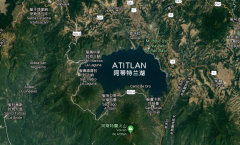
Main information of Lake Attilan producing area in Guatemala Lake Attilan coffee flavor
Lake Attilan, Guatemala. Lake Atitlan, surrounded by volcanoes, gives coffee a more leisurely personality than Huehuetenango, but it has no less flavor. It is one of the important and well-known volcanic coffee producing areas in Guatemala, surrounded by three volcanoes (Volcn Atitln and San Pedro).